2026年7月14日,兩則看似不相干的品牌新聞同日出現:EVA聯名俵屋宗達的國寶屏風、台灣老字號毛寶攜手京都印花品牌SOU・SOU推出限定禮盒。前者是年收規模達三十億元級的動漫IP,後者是超市貨架上幾十年如一日的洗碗精。把這兩件事並排,邏輯突然清晰起來。
國寶當底座
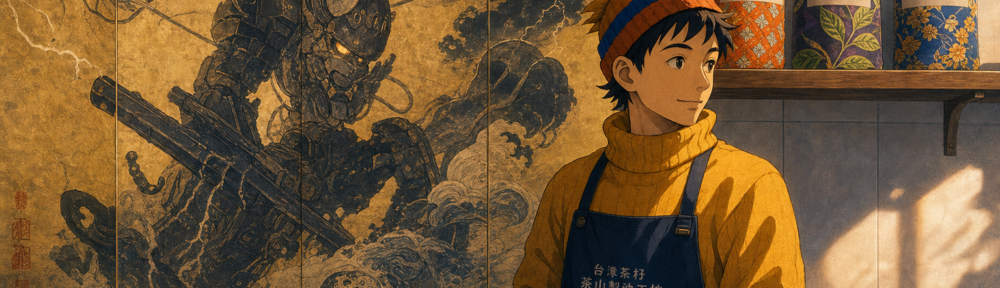
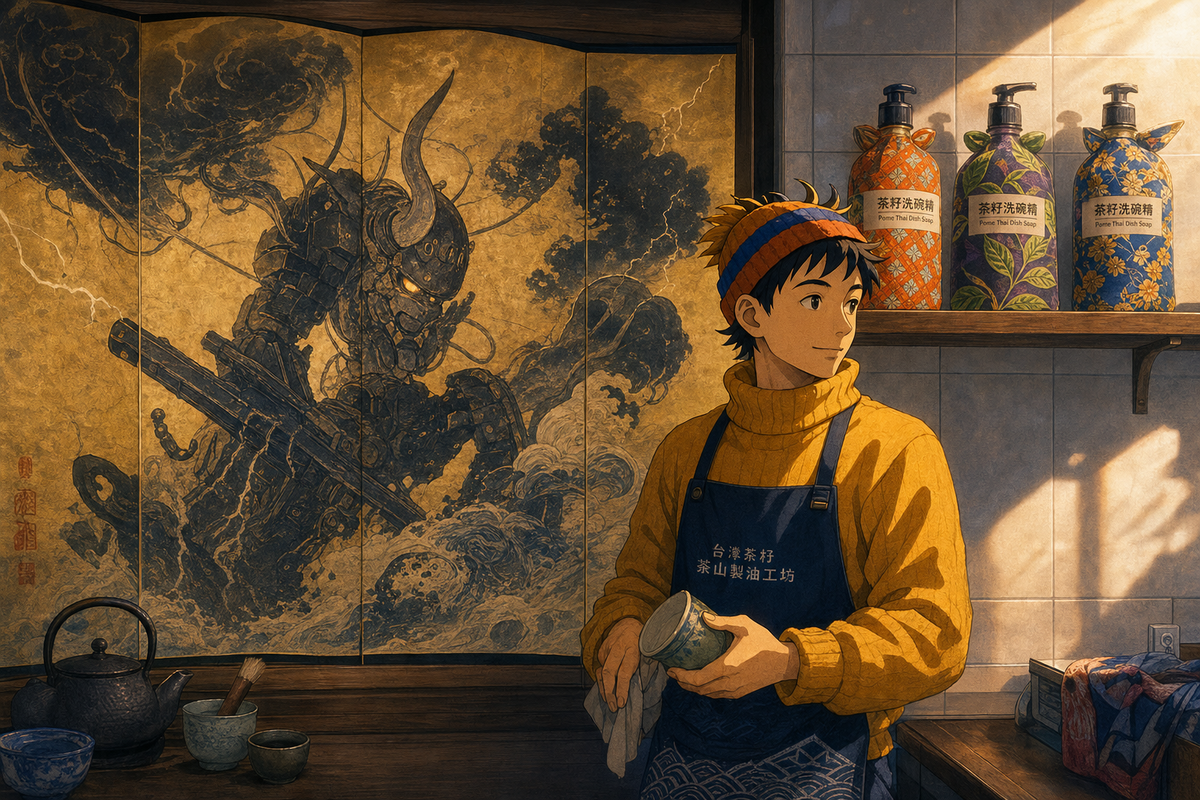
EVA這次的合作對象,是俵屋宗達所繪、1952年指定為日本國寶的《風神雷神圖屏風》。原作由京都建仁寺所有,寄託於京都國立博物館。主導這次合作的是東京的株式会社版三,取得EVA官方授權(©カラー),找來商業插畫家「絵師・出雲」,用「取樣宗達筆法」的方式將EVA各機體與風神、雷神的神格疊合,製作成浮世繪工藝屏風,每件售價29,700日圓含稅,預計7月17日於線上商城開賣。
版三的官方新聞稿命名這個系列為「EVA Japonism」,說法是:「提案當代新日本文化樣貌的計畫。」這句話聽起來很大,但商業邏輯其實很精準——EVA本身已經三十週年,粉絲群體在老化,光靠動漫周邊撐不住溢價空間。把機體嵌入一件創作於十七世紀的國寶構圖裡,那件作品的歷史重量就轉移到了商品上。購買者付的不只是29,700日圓,付的是「擁有一件和國寶同一個構圖血統的物件」這個故事。
這不是EVA第一次往傳統工藝靠攏,但這次的對象級別是「國寶」,不是一般的工藝品。門檻直接拉到最高處。
老洗碗精的京都謀略
毛寶的案例沒有EVA那麼戲劇化,但脈絡相似。SOU・SOU是京都的印花品牌,以「十数」等紋樣著稱,走的是日式當代美學路線。毛寶與其合作,以「SOU DAILY, SOU CLEAN」為概念推出聯名包裝,並附贈化妝包、擦手巾等周邊,於台灣各大通路及線上商城販售。
洗碗精這個品類極難製造溢價——功能同質、競爭者眾、消費者對品牌忠誠度低。毛寶換掉的是視覺語言。SOU・SOU的紋樣帶著京都手工藝的文化信用背書,貼在毛寶包裝上,毛寶瞬間不再只是一瓶洗碗精,而是一件「有品味的日常物件」。
這個移植能成立,前提是SOU・SOU本身有足夠深的文化積累讓消費者相信。若換成一個成立三年的設計師品牌,效果會差很多。
借歷史的邏輯,與它的限制
兩個案例共享的公式:找一個比自己更有歷史的夥伴,讓對方的文化厚度為自己擔保。EVA找四百年前的國寶,毛寶找京都老舖,路徑不同,但借力的方向一致——都是從現代商業品牌往「更深的時間」借信用。
這個策略有效,也有侷限。有效建立在「那個更老的夥伴確實有文化公信力」的前提上。一旦被借用的文化資產太輕薄,整個聯名就會變成表面上的懷舊濾鏡,消費者不會買單。更棘手的是借來的深度終究不是自己的深度。EVA用完宗達的構圖,下一次要借誰?毛寶下一季換掉SOU・SOU,那個品味感從哪裡來?
類似的案例也在其他動漫IP身上出現——《怪獸8號》曾與九谷燒聯名,同樣走「流行IP × 傳統工藝」的路線,同樣製造了一個短期的文化話題。這個公式在東亞品牌圈已經夠成熟,成熟到開始有複製品。
哪些品牌有資格去借那個深度,又有能力在借完之後把別的歷史轉化成自己的語言——這才是這個公式裡真正沒被解決的部分。
EVA的屏風5款,每套含稅148,500日圓,約合新台幣三萬兩千元。這個價格本身就是一個答案——有人相信那個歷史移植是真的。
— 張誠書
The Best Collabs Don’t Chase Fame — They Borrow Age
On July 14, 2026, two seemingly unrelated brand announcements landed on the same day. One: Evangelion collaborating with a seventeenth-century Japanese national treasure, Tawaraya Sōtatsu’s Wind God and Thunder God folding screens. Two: Taiwanese dish soap brand Maobao teaming up with Kyoto’s SOU・SOU on a limited gift set. A decades-old detergent brand and a billion-yen anime IP — side by side, the logic becomes obvious.
Using a National Treasure as a Pedestal
The Sōtatsu original was designated a Japanese national treasure in 1952. It belongs to Kenninji Temple in Kyoto and is on deposit at the Kyoto National Museum. Tokyo-based Hansan Co., Ltd. — not studio khara, not the EVA production committee — secured the official Evangelion license (©カラー), commissioned illustrator Izumo, and translated the EVA mecha into the brushwork of Sōtatsu’s compositional language. The result: five lacquered folding screen art pieces, sold exclusively online at 29,700 yen each (tax included), with sales opening July 17.
The project is branded “EVA Japonism.” The official copy calls it a plan “to present a new form of contemporary Japanese culture.” That framing sounds ambitious, but the commercial mechanics are precise. Evangelion turns thirty this year. Its core fanbase is aging. Anime merchandise alone cannot hold premium pricing. Embedding the mechas into a composition that traces its lineage to a seventeenth-century masterwork transfers the historical weight of that original work onto the product. The buyer isn’t paying 29,700 yen for a decorative screen. The transaction is about owning an object that shares compositional DNA with a national treasure.
The Kyoto Play for a Dish Soap Brand
Maobao’s move is less dramatic but structurally identical. SOU・SOU is a Kyoto-based brand known for its signature textile patterns — what they call “Jūsū” (十数) motifs — positioned at the intersection of traditional craft and contemporary Japanese aesthetics. The collaboration, themed “SOU DAILY, SOU CLEAN,” rolls out limited-edition packaging and gift-with-purchase items including cosmetic pouches and hand towels, available across Taiwanese retail channels and online.
Dish soap is one of the hardest categories in which to manufacture a price premium. The functional differences between brands are minimal, and consumer loyalty is thin. Maobao’s solution isn’t to double down on cleaning power — it’s to change the visual language entirely. SOU・SOU’s patterns carry the cultural credibility of Kyoto craft tradition. Attached to a Maobao bottle, that credibility does the work: the product stops being just a cleaning agent and becomes a considered daily object.
That transfer only works because SOU・SOU has accumulated enough cultural depth for the association to feel earned. Swap in a three-year-old design studio and the effect collapses.
The Formula — and Its Ceiling
Both cases run the same playbook: find a partner with more history, and let that history guarantee the brand. EVA reaches four centuries back to a national treasure; Maobao reaches to a Kyoto institution. Different distances, same direction — borrowing credibility from deeper time.
The strategy works. It also has a ceiling. Effectiveness rests entirely on the borrowed partner actually carrying cultural weight. Thin cultural assets produce thin results — what looks like heritage just reads as costume. The harder question is what happens after the loan is repaid. EVA’s next collaboration: where does it borrow from then? Maobao drops SOU・SOU next season: where does that sense of taste come from?
This pattern has appeared elsewhere in East Asian IP — a collaboration between the anime Kaiju No. 8 and Kutani ware followed a nearly identical logic, pairing a mainstream IP with traditional craft to generate a short-cycle cultural moment. The formula is mature enough that copies of it are already circulating.
The real question is not whether the formula works. It’s which brands have the standing to borrow that depth — and the discipline to convert borrowed history into a language that eventually becomes owned.
Five screens, full set: 148,500 yen including tax, roughly NT$32,000. Someone will pay that. The transfer of history, apparently, is priced.
— 張誠書
延伸閱讀
https://justfly.idv.tw/s/sBBDuuX