高雄美濃的青年,在2026年7月搭機飛往岐阜縣的美濃市。兩個地名一模一樣,距離卻隔著一片海。
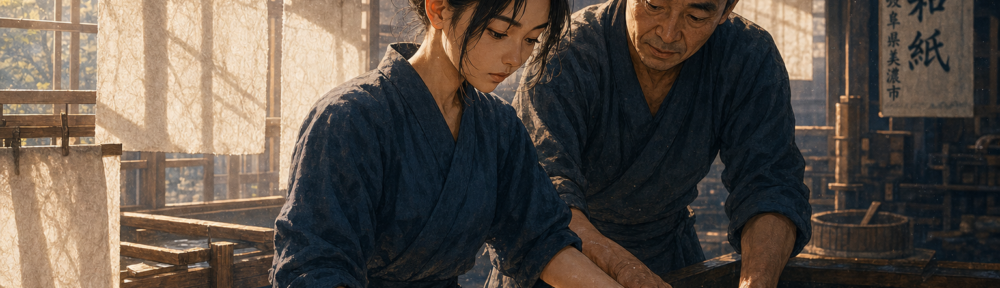
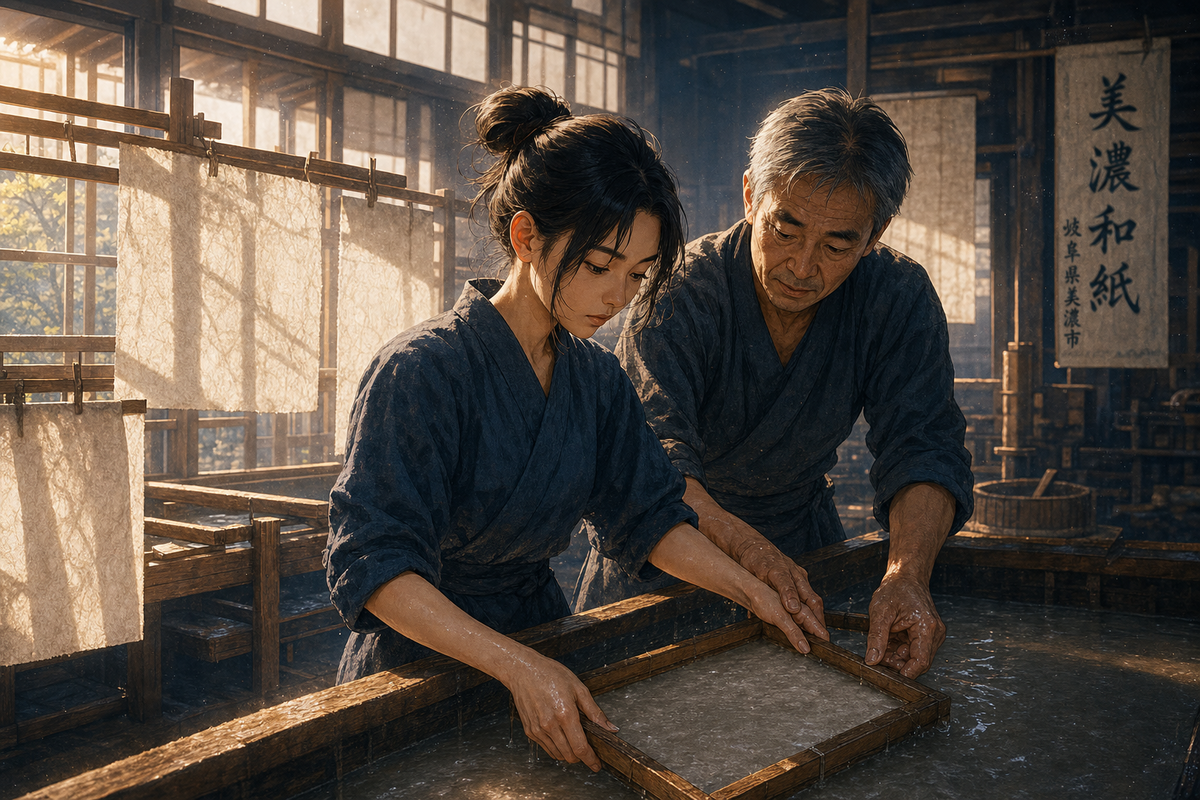
高雄市政府青年局攜手教育部推動的「青年百億海外圓夢─創生特派員」計畫,派出15名青年,展開為期18天的見習。目的地之一,是擁有1300年歷史、已列入聯合國非物質文化遺產的「本美濃紙」。高雄美濃與岐阜美濃因紙藝文化締結友好協定,已逾十年。這次的見習,是讓協定從紙上的字走進造紙職人的工坊。
學工藝,不是看影片就能會的事。撈打、漂洗、疊張、晾乾——每一步都要手感在場。15名台灣青年進入那個環境,身體記住了1300年的工序。這種學習方式,和翻譯一篇說明文件、開一場線上交流會,根本不是同一件事。
學術搭台,食品先行
幾乎同一時間,另一條線在東京展開。
延續早稻田大學「台日大學創業與地方創生論壇」的成果,2026年7月31日至8月1日,由台灣企業、早稻田大學及JenT Capital在東京共同舉辦「台日品牌交流會」。9家台灣品牌參展,業態清一色是食品與農產加工:君玉茶園紅烏龍茶、海上先生烏金旺烏魚子、巴魯那商行馬告堅果醬、蜂女孩Girls And Bees龍眼蜂蜜……清單讀下來,像一份台灣山海物產的縮影。
日方出席的企業超過20家,含Calbee、森永製菓、SONY、SoftBank。台灣代表團總召鄭琮翰帶著這批地方品牌,直接坐上了日本產業鏈的談判桌。
這條路徑的邏輯值得細看:學術論壇先降低陌生感,再導入快閃形式的實體媒合,最終指向九州超市採購與JenT Capital的通路串接。食品農產加工之所以先行,原因並不難猜——氣味、味道、在場體驗,是最直接的文化翻譯。一包馬告堅果醬不需要說明書,打開就是故事。
日方的4個地方創生合作範本也值得記下:加賀市「一店二業」冰淇淋廊帶、浮羽之寶「青銀共創」品牌75歲長者參與品牌、島根縣海士町「島留學」引入外部人才——這些模型的細節,和台灣地方創生圈正在摸索的問題幾乎完全重疊。
職人品牌的試水邏輯
在同一個夏天,台灣文博會也出現了另一個訊號。
淺草職人品牌HeWhoMe.Tokyo,帶著將著物工藝融入球鞋設計的產品來台參展。這是這個品牌進軍亞洲市場的第一站。選台灣,而不是香港或首爾,選擇文博會而不是時尚週,背後有一套市場測試的邏輯:台灣的文創展場觀眾,對工藝敘事的接受度夠高、消費決策夠快、市場規模又不至於讓初次進場的風險變得難以承受。
先在市集驗市場,再談常設通路——這個公式在台日交流裡反覆出現。2026年5月,「台浮緣日」市集移師高雄駁二藝術特區,170家台日品牌(含50家日本九州指標品牌)兩天吸引5萬人次,現場產值達300萬元。高雄市青年局同步舉辦台日商業交流會,把活動人氣轉化成跨境合作的具體訂單。美濃與浮羽的地方創生交流,邁入第四年。
雙向,才是真正的結構
把這幾件事並排來看,會發現一個不對稱正在被矯正。
過去,台日文化交流的想像通常是單向的:台灣赴日取經,日本工藝引進台灣。從2026年夏天同時發生的這幾件事,方向相反的都有:台灣青年赴日學和紙,台灣食品品牌在東京開快閃交流會,日本職人品牌來台灣找市場。
早稻田大學的論壇是學術軟實力轉化為商業通路的橋;HeWhoMe.Tokyo的文博會參展是日本工藝品牌以台灣為亞洲首站的試水;雙美濃的見習計畫是政策補助轉化為文化身體學習的現場。三種路徑加在一起,勾勒出一條雙向流動的文化產業供應鏈的雛形。
這條供應鏈現在還很薄。9家台灣食品品牌能否在半年內進入日本通路,HeWhoMe.Tokyo在台灣的銷售數字能否支撐下一步的亞洲布局,早稻田論壇是否會辦第二屆——這些問題的答案,決定了這個雛形能否長出骨架。
和紙的製程需要18天才能完成一張紙。台日工藝供應鏈的成形,可能需要更長。
— 周子恩
Between Washi and Sneakers, a Craft Exchange Takes Root
In late July 2026, fifteen young people from Meinong, Kaohsiung, flew to Mino City in Gifu Prefecture. The names are identical across languages. The sea between them is real.
Under the “Youth Overseas Dream — Regional Revitalization Envoy” program run jointly by the Kaohsiung City Youth Affairs Bureau and the Ministry of Education, the delegation spent 18 days in Japan. One destination: the ancient craft of Honmino-gami washi, a papermaking tradition spanning 1,300 years and inscribed on the UNESCO Intangible Cultural Heritage list. Meinong and Mino have held a friendship agreement rooted in paper culture for over a decade. This trip turned that agreement into something handled with bare hands — pulp, water, wooden frames, sunlight.
Papermaking cannot be learned by watching a video. The 15 trainees entered the workshop and let 1,300 years of technique pass through their palms. That is categorically different from a translation document or a Zoom exchange session.
Academia Lays the Table, Food Goes First
At almost the same moment, another thread was unspooling in Tokyo.
On July 31 to August 1, 2026, following the outcomes of Waseda University’s “Taiwan-Japan University Entrepreneurship and Regional Revitalization Forum,” a Taiwan-Japan Brand Exchange was jointly held in Tokyo by Taiwanese enterprises, Waseda University, and JenT Capital. Nine Taiwanese brands participated — every single one in food and agricultural processing: red oolong tea, karasumi, Maqaw nut paste, longan honey. The list reads like a compressed inventory of Taiwan’s mountains and coastlines.
On the Japanese side, over 20 companies attended, including Calbee, Morinaga Seika, SONY, and SoftBank. Taiwan delegation lead 鄭琮翰 (Cheng Tsung-han) brought these regional brands directly to the negotiating table of Japan’s supply chain.
The logic of this pathway is worth tracing: an academic forum reduces unfamiliarity first, a pop-up exchange follows, then the pipeline connects toward Kyushu supermarket procurement and JenT Capital’s distribution network. Food moves first because smell, taste, and presence are the most direct forms of cultural translation. A jar of Maqaw nut paste doesn’t need a brochure.
Four Japanese regional revitalization case models were also on the table: Kaga City’s “one shop, two businesses” ice cream corridor; Ukiha’s “intergenerational co-creation” brand where participants in their seventies are central; and Ama-cho in Shimane Prefecture’s “island study abroad” program for attracting external talent. These blueprints map almost exactly onto the questions Taiwan’s own regional revitalization communities are still working out.
The Test-Market Logic of a Craft Brand
In this same summer, another signal appeared at the Taiwan Cultural Expo.
Asakusa craft brand HeWhoMe.Tokyo brought sneaker designs fusing kimono textile craft to Taiwan to exhibit — making it the brand’s first Asian market entry point. The choice of venue follows a recognizable logic: Taiwan’s cultural expo audiences have demonstrated tolerance for craft narratives, conversion rates at creative markets are legible, and the market is large enough to matter but not so large that a first foray carries unmanageable risk.
Test the market in a pop-up format, then pursue permanent distribution — this formula has recurred across Taiwan-Japan exchange events. At the “Tai-Fuyen-Nichi” market held at Kaohsiung’s Pier-2 in May 2026, 170 Taiwan-Japan brands (including 50 Kyushu benchmark brands) drew 50,000 visitors over two days, generating NT$3 million in on-site sales. The Kaohsiung City Youth Affairs Bureau ran a concurrent Taiwan-Japan business exchange, converting event foot traffic into cross-border orders. The Meinong-Ukiha regional revitalization partnership entered its fourth year.
Bilateral Is the Only Structure That Holds
Placed side by side, these events reveal an asymmetry being corrected.
The conventional imagination of Taiwan-Japan cultural exchange runs one way: Taiwan studies Japan, Japan exports craft to Taiwan. The summer of 2026 ran both directions simultaneously. Taiwanese youth traveled to Gifu to learn washi. Taiwanese food brands held a pop-up exchange in Tokyo. A Japanese craft brand chose Taipei as its first Asian foothold.
Waseda University’s forum converted academic soft power into commercial access. HeWhoMe.Tokyo’s expo participation used Taiwan as a staging ground for broader Asian expansion. The dual-Meinong training program converted policy funding into embodied cultural learning. Three routes — and together they sketch the outline of a bilateral cultural-industrial supply chain, not just a series of exchange trips.
The chain is still thin. Whether the nine Taiwanese food brands enter Japanese retail channels within the next six months, whether HeWhoMe.Tokyo’s Taiwan sales support the next move, whether Waseda’s forum runs a second edition — those answers will determine if the outline fills in.
Honmino-gami takes 18 days to produce a single sheet of paper. The supply chain will likely take longer.
— 周子恩
延伸閱讀
https://justfly.idv.tw/s/xE5mym2