2026年的這個夏天,台北的文化空間不約而同在做同一件事:把三十年前、甚至五十年前的記憶翻出來重新標價。書店通路裡是七、八〇年代的動畫角色,捷運站旁的藝文空間掛出昭和年代誕生的玩偶,服飾快時尚的貨架上印著同一批老面孔。這是一個現象——台灣正在成為「記憶經濟」運轉得最順的市場之一。
為什麼是台灣
要理解這個現象,得先回到台灣接收日本流行文化的特殊路徑。從七〇年代的電視動畫、八〇年代的水貨玩具、九〇年代的漫畫出租店,到後來的代購與選物店,台灣觀眾與日系角色之間存在著長達半世紀、卻大多「非官方」的關係。喜歡是真的,管道是繞路的。這造成一個罕見的市場結構:情感存量巨大,但從未被官方渠道正式「兌現」過。
對內容產業來說,這就是一筆掛了幾十年的舊帳。一個全新角色要產生情感依附,需要時間、媒介、重複接觸,還需要運氣;一個已經在某個世代記憶裡住了三十年的角色,不需要介紹自己。稀缺性可以製造注意力,但稀缺性要轉化成購買欲,前提是那個東西在心裡已經有重量——而台灣市場的特殊之處,就是這種「有重量卻沒出口」的記憶特別多。
這個夏天的例證
幾個正在發生的例子可以說明這套機制。誠品生活7月10日起在新店、松菸、西門、武昌四個空間做跨世代動漫企劃,從《科學小飛俠》、《凡爾賽玫瑰》排到《真珠美人魚》,恰好對應30到60歲三個世代各自的童年;松菸做法式假面舞會氛圍,新店架起近4公尺高的戰鬥場景——這些高成本佈置買的不是流量,是停留時長和社群擴散,一個能拍成照片的場景本身就是一個傳播單位。
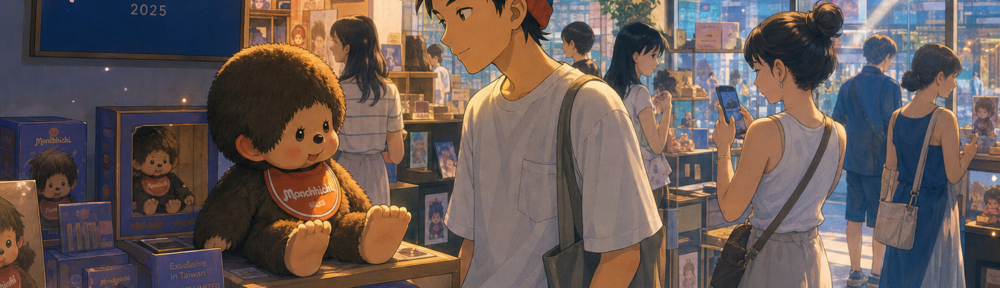
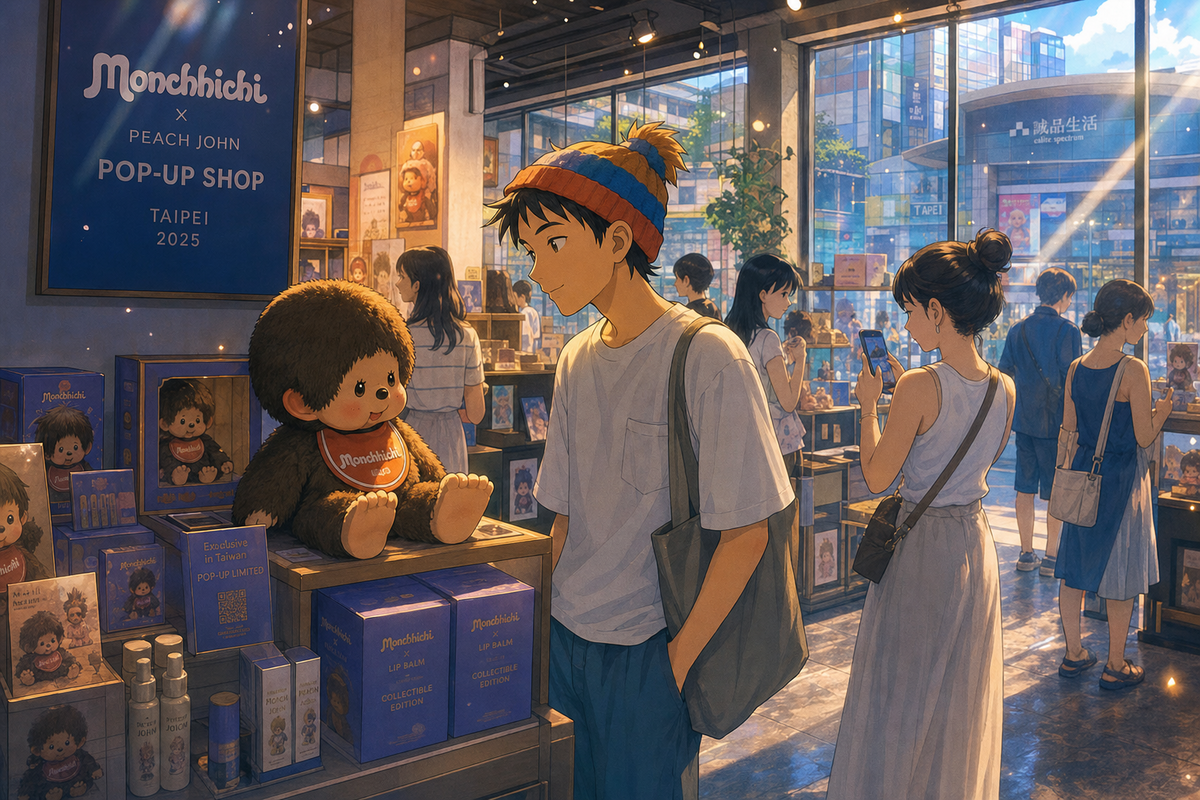
另一個例子是1974年誕生的日本玩偶 Monchhichi:7月31日起將在台北中山的藝文空間開出首次在台官方快閃,此前 UNIQLO 已在5月22日推出聯名 UT 先用服飾通路預熱——分波段的情感動員,而不是單次行銷事件。選址邏輯同樣說明問題:中山站一帶是台北質感選物與藝文的核心地帶,光是地點就在向目標客群傳遞品味訊號。這類活動不約而同選在台灣做首發或重點站,背後是同一組判斷:台灣粉絲經濟的成熟度、選物店文化的密度、對日系美學的接受深度,加上市場規模可控、試錯成本低、成功後複製到其他華語市場的路徑清晰。
策展型零售:城市空間的新用法
這波現象也改變了台北商業空間的使用方式。策展型零售和傳統零售的差別,不在展示方式,在於情感行銷的密度:前者賣一個「曾經在這裡」的感受,後者賣一個帶得走的物件。這兩件事並不衝突——感受讓人排隊,物件讓帳面成立。對城市文化生態的影響是,書店、文創園區、捷運商圈這些空間,正在從「賣東西的地方」變成「記憶的展演場」,而台北恰好有夠密集的這類空間可以承接。
帳能兌現多少,夏天結束見分曉
記憶經濟真正的考驗不在開幕人潮,而在情感動員能不能轉化成可複製的商業模式:限定商品完售的速度、二手市場的溢價、以及活動結束後留下多少長期通路。這個夏天的幾檔企劃多在8月底收尾,數字到時候會說話。可以確定的是:只要台灣市場還有這麼多「有重量卻沒出口」的集體記憶,翻舊帳的隊伍就不會停在這個夏天。
— 張誠書
Taiwan’s Memory Economy: Why Nostalgia Cashes Out So Well Here
In the summer of 2026, Taipei’s cultural spaces are all doing the same thing: digging up memories from thirty, even fifty years ago and putting new price tags on them. Bookstore complexes are staging anime characters from the 1970s and 80s; an arts space by a metro station will soon hang up a plush character born in the Showa era; fast-fashion racks carry the same familiar old faces. This is a phenomenon. Taiwan has become one of the markets where the “memory economy” runs most smoothly.
Why Taiwan
Understanding this requires revisiting how Taiwan absorbed Japanese pop culture: TV anime in the 70s, grey-market toys in the 80s, manga rental shops in the 90s, then proxy shopping and curated select shops. For half a century, Taiwanese audiences maintained a deep but mostly unofficial relationship with Japanese characters. The affection was real; the channels were detours. The result is a rare market structure: an enormous stock of emotional attachment that official channels never formally cashed in.
For content industries, that is a ledger left open for decades. A brand-new character needs time, media exposure, repeated contact, and luck to build attachment; a character that has lived inside a generation’s memory for thirty years needs no introduction. Scarcity manufactures attention, but it converts to purchase intent only when the object already carries weight in memory — and Taiwan’s peculiarity is precisely how much “weighted but outlet-less” memory it holds.
This Summer’s Evidence
Several concurrent cases illustrate the mechanism. From July 10, Eslite Spectrum is running a multigenerational anime campaign across four locations — Xindian, Songyan, Ximending, Wuchang — spanning Science Ninja Team Gatchaman, The Rose of Versailles, and Mermaid Melody, mapping neatly onto the childhoods of audiences aged 30 to 60. Songyan dresses itself in French masquerade atmosphere; Xindian erects a nearly 4-meter battle scene. These costly installations buy dwell time and social diffusion, not foot traffic — a scene that photographs well is itself a unit of distribution.
Another case: Monchhichi, the Japanese plush character born in 1974, opens its first official Taiwan pop-up from July 31 in an arts space near Zhongshan station, after UNIQLO warmed the market with a UT collaboration launched May 22 — phased emotional mobilization rather than a one-shot event. The siting logic matters: Zhongshan is the heart of Taipei’s curated-lifestyle district, and the address alone signals taste to the target audience. That such campaigns keep choosing Taiwan for debuts reflects one shared calculus — mature fan economics, dense select-shop culture, deep fluency in Japanese aesthetics, plus manageable market scale, low experimentation cost, and a clear replication path to other Sinophone markets.
Curatorial Retail: A New Use for Urban Space
The phenomenon is also changing how Taipei’s commercial spaces are used. Curatorial retail differs from conventional retail not in display aesthetics but in emotional density: the former sells the feeling of having been somewhere, the latter sells the object carried home. The two reinforce each other — the feeling fills the queue, the object makes the spreadsheet work. For the city’s cultural ecology, bookstores, creative parks, and metro districts are shifting from “places that sell things” toward “stages for memory” — and Taipei happens to have an unusually dense supply of such spaces to absorb the format.
The Ledger Settles at Summer’s End
The real test of the memory economy is not opening-day crowds but whether emotional mobilization converts into a replicable commercial model: how fast limited editions sell out, what premiums the secondary market commands, and what long-term channels remain after the events close. Most of this summer’s campaigns wrap by late August; the numbers will speak then. What seems certain is this: as long as Taiwan still holds so much collective memory that is weighted but outlet-less, the queue to settle old ledgers will not end with this summer.
— 張誠書
延伸閱讀
https://justfly.idv.tw/s/W2f8skC