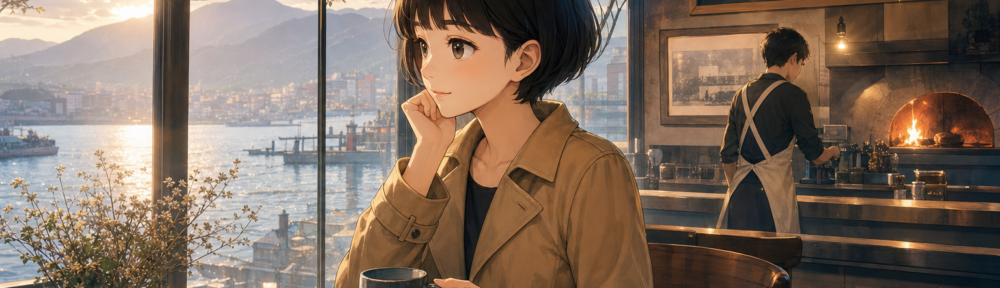
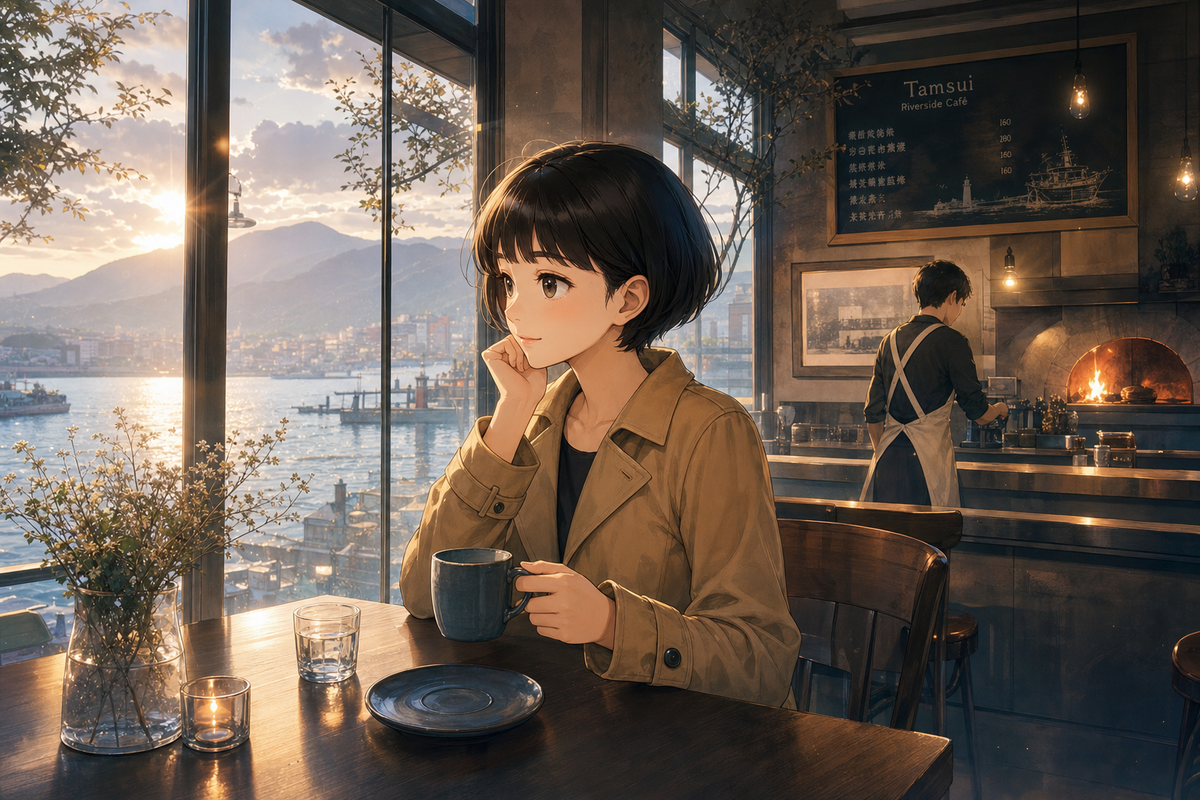
淡水紅樹林旁,有一家店叫「白霧時光」。260坪,落地窗對著淡水河與觀音山,歐洲進口的窯烤爐在廚房裡低鳴,魯邦種麵包的酸香混進河岸的鹹霧裡。這不是路易莎原本的語言。
路易莎(Louisa Coffee)靠的是另一套語言起家:65元拿鐵、600多家門市、比星巴克便宜一半的價格。那套語言的核心不是美感,是可及性。大學生拎著一杯咖啡坐一個下午,小資族早上順手帶走,這是路易莎用二十年練成的本事。
白霧時光是路易莎集團2025年底推出的子品牌,定位「精品咖啡+All Day Coffee Brunch+烘焙+全日休憩空間」,客單價從主線的百元出頭跳到400元以上,板橋首店200坪,台南安平進駐飯店,淡水這家是第三間,也是目前最大的一間。菜單近百道,從百元早餐到東港櫻花蝦馬告寬麵、紅酒慢燉牛頰水管麵,夜間還有精釀啤酒。不收服務費,刀叉開水自取,餐盤自收。
選址邏輯藏著野心
淡水紅樹林這個位置,刻意避開老街主觀光動線,轉而鎖定捷運加輕軌交會的河岸帶。路易莎董事長黃銘賢的說法是「依據不同場域打造融合餐飲、美學與生活風格的複合式空間」——這句話背後有一條展店邏輯:板橋直營旗艦做示範,台南飯店合作測試異業,淡水走觀光場景,下一步預計進駐藝文中心與文化園區。
這條路徑並非沒有前例可循。cama café在2019年以600坪改造陽明山古蹟開出「豆留森林」,之後又在松山文創園區再開一間同規模的「豆留文青」,成功把一個以咖啡外帶起家的品牌,拉升到精品空間的敘事層次。Simple Kaffa興波咖啡也以台北金山南路的老屋旗艦店,讓精品咖啡同時成為城市地標。
白霧時光要接的棒,比這兩個前例都沉。cama和Simple Kaffa從一開始就走精品路線;路易莎要從「台灣最便宜的咖啡之一」這個身份,橫跨到有情緒的場所體驗,得搬動的是整個品牌記憶的重量。
亞洲沒有這條路的成功先例
在亞洲市場,「本土平價連鎖孵化premium子品牌」這條路幾乎沒有成功前例。日本的Doutor、Tully’s都是從精品咖啡主線出發,並沒有走過「先打CP值市場、再往上切」這個彎道。白霧時光如果走通,這個「母品牌養premium子品牌」的雙軌模型在亞洲屬罕見路徑。
台灣的咖啡市場正在走一個轉型的彎:「配方加店面就能獲利」的時代已結束,品牌與體驗精緻成了存活的條件,不是加分項。同時,外來品牌的競爭壓力正在升溫——這些壓力讓本土連鎖必須在CP值之外,找到另一個站立的理由。
路易莎集團目前旗下擁有包含白霧時光在內的多個子品牌,從牛排到泰式料理到蔬食到健身房,品牌矩陣的邏輯是用規模養多元,再用精品子品牌拉高整體估值。集團目標2026年底直營比例達五成,並規劃送件上櫃。
260坪能不能說服一個印象改變
問題核心在這裡:品牌記憶的黏性,不是坪數或菜單能快速覆蓋的。習慣花65元喝路易莎的顧客,走進白霧時光,花了每人650元,離開之後記住的是白霧時光,還是路易莎?這兩個答案對集團的意義完全不同。
視覺語言上的切割已經做得很徹底:白霧時光用暖白加木質加金屬,主線用咖啡色加黑;雙面吧台、階梯式休憩區、霧感自然光的選址偏好——這些都不像連鎖咖啡的手筆。但視覺和體驗建立新品牌認知,需要的時間比開一家260坪的店要長得多。
淡水這家店開在2026年7月。這是路易莎第三次問同一個問題,答案還沒出來。
— 陳映彤
Louisa’s 260-Ping Question on the Tamsui Shore
On the Tamsui riverbank, beside a mangrove reserve, there is a 260-ping café called White Mist. Floor-to-ceiling windows frame the Guanyin Mountain across the water. A wood-fired oven imported from Europe hums in the kitchen. Sourdough made with levain starter mingles with the salt from the river fog. None of this sounds like the brand that built its empire on 65-NT-dollar lattes.
Louisa Coffee expanded across Taiwan on a clear proposition: decent coffee at roughly half the price of Starbucks, in hundreds of convenient locations. That logic has produced over 600 stores nationwide — twice the count of Starbucks in Taiwan. The proposition was never about atmosphere. It was about access.
White Mist (白霧時光) is a sub-brand launched by the Louisa group in late 2025. The positioning: specialty coffee, all-day brunch, artisan baking, and an untimed lounge space. The average spend jumps from the main line’s 100-NT-dollar range to over 400 NT per person — a reported real-world average of around 650 NT per person at the Banqiao flagship. No 10% service charge. Utensils are self-service; trays are self-cleared. The menu runs close to 100 items, weaving Mediterranean and Italian techniques with local ingredients — Maqaw pepper, Donggang sakura shrimp, thorn-tree leaves.
The Site Choice Is the Argument
Choosing the Tamsui mangrove area over the main tourist drag of Tamsui Old Street is deliberate. The location sits at the intersection of the MRT and light rail lines, drawing a different crowd — one that arrives for the river views rather than the souvenir stalls. Louisa chairman Huang Ming-hsien has described the direction as building spaces that integrate dining, aesthetics, and lifestyle according to each location’s context.
The rollout path follows a visible logic: the Banqiao store as the company-owned flagship prototype, Tainan Anping through hotel partnership, Tamsui as a scenic tourism node, with arts centers and cultural parks reportedly next on the list.
Precedents exist, though none are identical. Third-place café culture in Taiwan has been tested at scale before: cama café opened the 600-ping Dòu Liú Forest in 2019 using a renovated heritage building on Yangmingshan, then repeated the formula at Songshan Cultural Park. Simple Kaffa’s Xinbo Coffee built its flagship in a 1932 building in Taipei, becoming a city landmark in the process. Both moved smaller specialty-focused brands upward into cultural space storytelling.
The Move No Asian Chain Has Made
What Louisa is attempting is structurally different. cama and Simple Kaffa started as specialty brands; their flagship stores were amplifications of existing identity. Louisa is trying to cross a gap — from “one of Taiwan’s most affordable coffee chains” to “a place with emotional resonance.” In Asian markets, the pattern of a mass-market domestic chain successfully incubating a premium lifestyle sub-brand has no established playbook. Japanese chains like Doutor began from the specialty side; crossing from value positioning to premium positioning remains untested terrain.
Taiwan’s coffee market is in a structural shift. Industry observers note that the era of “formula plus storefront equals profit” has ended. Brand differentiation and refined experience have become minimum conditions, not advantages. Competitive pressure from incoming foreign brands adds urgency. Local chains that want to survive the next decade need something beyond price — a reason to be chosen.
Louisa’s group structure now spans multiple sub-brands across categories, with White Mist as the flagship lifestyle experiment. The stated target: get company-operated stores to 50% of the total by end of 2026, with plans to pursue a stock listing.
What 260 Pings Can and Cannot Do
The visual identity split is sharp. White Mist uses warm white, wood, and metal tones; the main Louisa line runs on coffee brown and black. Dual-sided bars, tiered lounge zones, the soft diffused light of the riverside fog — none of it reads as chain-café design language.
But brand memory is stickier than square footage. A customer who has associated Louisa with 65-NT lattes for years, walks into White Mist, spends 650 NT, and leaves — what gets carried out is either a new impression of the sub-brand, or a mildly confused update to the sense of the parent brand. These are very different outcomes for the group.
The Tamsui store opened in July 2026. White Mist is three locations into asking its question. The answer takes longer than a grand opening.
— 陳映彤
延伸閱讀
https://justfly.idv.tw/s/u6Nf2Wc