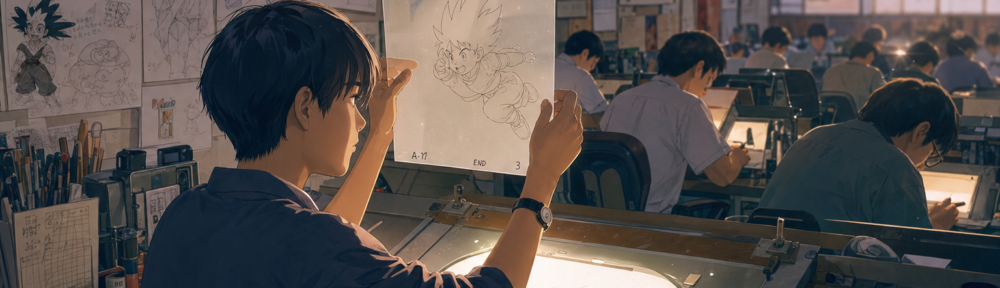
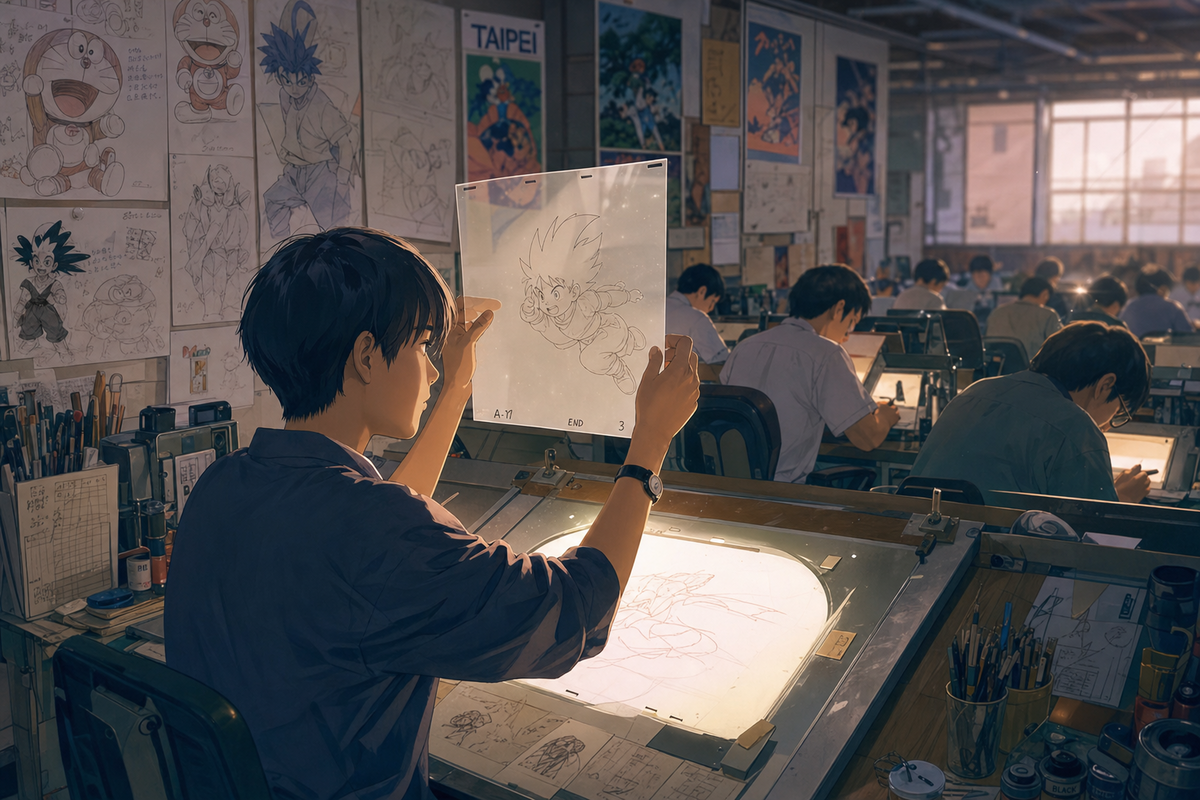
《獅子王》上映的1994年,台北某棟辦公樓裡,一批動畫師正在描繪賽門巴奔跑的每一個姿態——一秒鐘的動作,拆成二十四格。他們叫做宏廣動畫的員工,他們的公司被媒體稱為「東方迪士尼」。沒有人知道他們的名字。
宏廣:全球最大的動畫工廠
宏廣股份有限公司(Wang Film Productions)成立於1978年,創辦人王中元從承接漢納巴伯拉動畫(Hanna-Barbera)訂單起家。1986年,宏廣與迪士尼簽約,成為後者的海外製作夥伴,此後員工規模超過1,500人,是當時全球最大的動畫代工廠。《小美人魚》《阿拉丁》《花木蘭》,這些在全球院線讓小孩哭得一塌糊塗的片子,大量動畫幀出自台灣工匠之手。
鼎盛時期,世界上每三部電視動畫就有一部經過台灣人的手。宏廣同時承接《He-Man》《Fraggle Rock》等美國電視動畫,是一座跨洲際的圖像流水線。但這裡有一個根本的結構問題:技術留在台灣,品牌和IP永遠是別人的。
導演這件事,他們從沒做過。
1990年代:數位化把所有人推進了另一個時代
1990年代末,電腦動畫開始取代手繪。這不只是技術更迭,對於靠一支鉛筆累積十幾年技藝的動畫師而言,這是一次強迫重訓。台灣動畫人面對的選擇很現實:轉型學3D,還是接受被更便宜的中國和東南亞競爭者取代?
部分人選擇了前者。西基電腦動畫(CGCG Inc.)成立於1988年,走的是完全不同的路——從一開始就專精3D電腦動畫,後來為Lucasfilm Animation、DreamWorks、Nickelodeon、Warner Bros.長期製作CG動畫,並連續兩年拿下日間艾美獎特殊類別動畫節目卓越獎,還獲得安妮獎最佳兒童動畫電視節目獎。這是代工,但是品質更高的代工。
另一批人則選擇出走。洛杉磯、溫哥華、新加坡的動畫公司吸收了大量台灣人才。那是一場靜悄悄的人才流失,在每一個簽證申請表格上完成。
2012年,李安的《少年PI的奇幻漂流》拿下奧斯卡最佳視覺效果獎,台灣VFX藝術家是這個獎項背後的重要貢獻者。但當晚在洛杉磯站上台的人,沒有幾個台灣面孔。
從代工基地到原創輸出:路比想像中更長
台灣並非沒有嘗試過原創。1998年的《魔法阿媽》(Grandma and Her Ghosts),以台灣民間信仰為題材,入圍金馬獎最佳動畫片,獲台北電影獎年度最佳影片。那是一塊試金石,但試完之後,市場沒有跟上來。
2017年,《幸福路上》入選超過40個國際影展,以台灣社會變遷為敘事主軸,讓外界第一次正視台灣動畫的原創敘事能量。再現影像(Reno Studios)用《返校》的視覺特效拿下金馬最佳視覺效果——這次,是一個純粹屬於台灣IP的作品,從劇本到特效,都在這座島上完成。
宏廣替迪士尼畫出了《花木蘭》,卻無法擁有花木蘭。這句話在台灣動畫圈裡像一塊磨石,每一代從業者都拿它磨自己。問題從來不是台灣人不會畫,而是台灣人畫的,從來沒有台灣人的名字。
我做劇場,對這種結構不陌生。搭景的工人不署名,設計舞台的人才署名。差別只在誰控制了敘事的入口。台灣動畫產業花了將近半世紀,才開始認真問:我們能不能控制那個入口?
答案還沒有確定,但問題至少已經被問出來了。
— 沈偉哲 (Shen)
Taiwan Drew Your Childhood Disney Films
In 1994, the year The Lion King hit theaters, animators in a Taipei office building were tracing every frame of Simba’s stride—twenty-four drawings per second. Their employer was Wang Film Productions (宏廣), nicknamed “the Eastern Disney” by the press. Nobody knew their names.
Wang Film: The World’s Largest Animation Factory
Wang Film Productions was founded in 1978 by Wang Chung-yuan, who started by taking orders from Hanna-Barbera Productions. In 1986, Wang Film signed with Disney and became their overseas production partner. At its peak, the studio employed over 1,500 people—the largest animation outsourcing operation on the planet—producing frames for The Little Mermaid, Aladdin, and Mulan. At the industry’s height, one in every three TV animations worldwide passed through Taiwanese hands. Wang Film also handled series like He-Man and Fraggle Rock for American television.
The structural problem was simple: technique stayed in Taiwan. Brand and IP belonged to someone else. Direction was never on the table.
The 1990s Forced Everyone to Start Over
When computer animation began displacing hand-drawn work in the late 1990s, it wasn’t just a technology shift. For animators who had spent a decade training a pencil, it was a forced retraining. The choice was blunt: pivot to 3D, or be undercut by lower-cost studios in China and Southeast Asia.
Some pivoted. CGCG Inc. (西基電腦動畫), founded in 1988, had committed to 3D from the start. The studio went on to work with Lucasfilm Animation, DreamWorks, Nickelodeon, and Warner Bros., winning the Daytime Emmy Award for Outstanding Achievement in Special Class Animated Program two consecutive years, and taking the Annie Award for Best Animated Television Production for Children. Still outsourcing—but at a higher tier.
Others left. Animation studios in Los Angeles, Vancouver, and Singapore absorbed Taiwanese talent steadily through those years. It was a quiet drain, completed one visa application at a time.
When Ang Lee’s Life of Pi won the Academy Award for Best Visual Effects in 2012, Taiwanese VFX artists were among the key contributors. Few Taiwanese faces appeared on stage that night in Los Angeles.
Original Content: The Road Is Longer Than It Looks
Grandma and Her Ghosts (魔法阿媽, 1998) was Taiwan’s clearest early attempt at original animated storytelling—rooted in Taiwanese folk religion, it earned a Golden Horse Award nomination for Best Animated Feature and won the Taipei Film Award’s top prize that year. The film proved the capability existed. The market didn’t follow.
In 2017, On Happiness Road (幸福路上) screened at over 40 international film festivals, using Taiwan’s social history as its subject. It was the first time the international circuit took Taiwanese animated storytelling seriously on its own terms. Reno Studios won the Golden Horse Award for Best Visual Effects with Detention—a film built entirely on a Taiwanese IP, from script to post-production, completed on the island.
The line that circulates in Taiwan’s animation industry goes like this: Wang Film drew Disney’s Mulan, but could never own Mulan. Every generation of practitioners uses it as a whetstone. The question was never whether Taiwanese animators could draw. It was whether anything they drew would ever carry a Taiwanese name.
Working in theater, I recognize this architecture. The crew that builds the set goes uncredited. The person who designed it gets the program note. The only difference is who controls the entry point of the narrative. Taiwan’s animation industry spent close to half a century before it started asking whether it could own that entry point.
The answer isn’t settled. But the question is finally being asked out loud.
— 沈偉哲 (Shen)
延伸閱讀
https://justfly.idv.tw/s/vu4iPpA