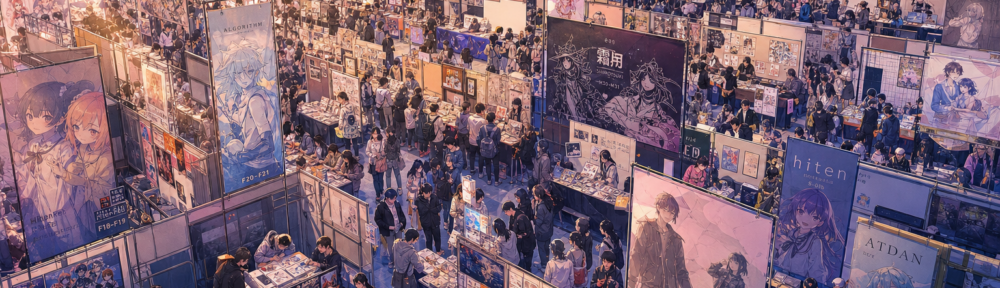
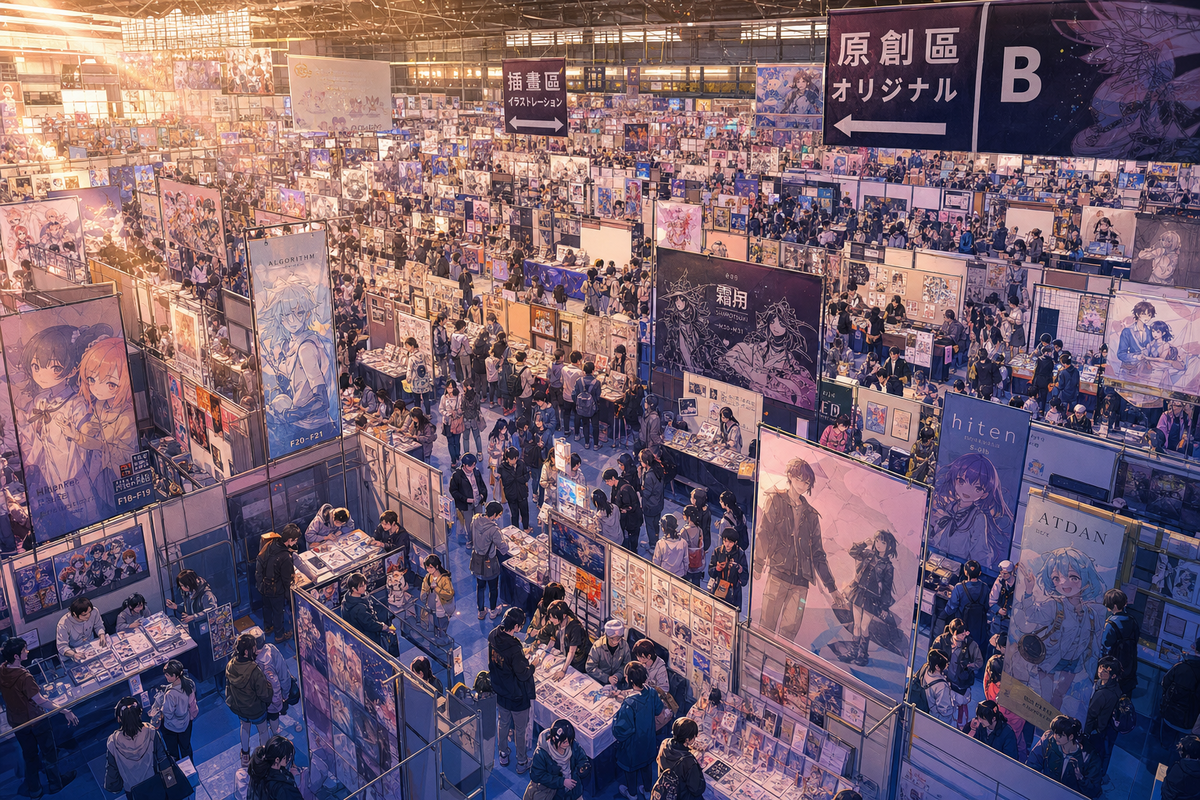
2026年4月的台北世貿,展場地板上攤著400個攤位,擠進了330位創作者。主題叫「夢想暴走 PA Dreams Overdrive」——這個題目取得很誠實,描述的是一種快要裝不下的能量狀態。台灣220位、海外113位,日韓創作者跨海來參展,帶著自己的角色IP和授權洽談意圖。這是2026 Illustration Taipei的現場,也是台灣設計輸出力最直觀的截面。
同一時期,潮流設計品牌FILTER017完成了一件台灣設計圈說了很多年卻沒幾個人真的做到的事:進入日本實體零售通路。正式進通路,不是快閃或聯名。日本市場對外來品牌的門檻之高,業內人都知道——語言是一道牆,品牌認知是另一道,通路本身的保守性是第三道。FILTER017繞過這三道牆的方法,現在還沒有公開完整敘述,但結果是具體的。
然後是首爾書展的台灣攤位。台灣設計品牌和插畫創作者帶著角色IP去首爾,展示給消費者看的同時,和韓方通路商、品牌方談IP授權合約——展售和版權授權雙軌並進。這是一個更成熟的商業路徑,不再只是「出去露臉」。
把這三件事擺在一起,會看見一個結構:台灣創作者圈正在集體形成某種輸出能力,而這個過程裡幾乎看不到政府外交的痕跡。
1991年的鄭問,和這件事有直接關係
說台灣創作者跨越文化邊界是新鮮事,是沒記性。1990年,漫畫家鄭問帶著作品去日本,1991年獲日本漫畫家協會「優秀賞」,成為史上首位拿下這個獎項的非日本人。這件事發生在《文化創意產業發展法》存在之前整整二十年,發生在「創意台灣計畫」的265億預算之前,發生在文策院(TAICCA)成立之前。
鄭問不是靠官方外交過去的。他靠作品。
這個邏輯在2026年沒有本質改變。改變的是規模和工具:2026年的台灣創作者有社群媒體、有國際展會、有IP授權這個商業語言,可以同時把自己的作品賣給消費者、把授權賣給品牌方、把通路賣給零售商。鄭問當年做到的事,現在可以被更多人複製,但路徑的本質——個人帶著作品跨出去——沒有變。
台灣政府從2002年開始投資文化創意產業,設立了13類文化創意產業分類,2009到2013年的創意台灣計畫總預算265億元,2010年通過《文化創意產業發展法》提供稅務優惠,2010年設立金漫獎作為官方對漫畫創作的認可。這些建設是真實的,但它們和FILTER017進日本通路、台灣插畫IP在首爾書展洽談授權之間,沒有直接因果線。政策建立了基底,但突圍靠的不是政策。
版權授權這條路,為什麼比進通路更難
首爾書展的台灣存在感年年加強,設計品牌找到了版權授權這個新商業路徑。但「找到路徑」和「走通路徑」中間隔著什麼,值得拆開來看。
進通路,最終你賣的還是你自己的產品,定價你說了算,品質你控制。進版權授權,你把角色的使用權交出去,對方用你的IP做什麼,你有多少控制力,合約裡沒有寫清楚的部分就是你的風險。台灣插畫IP在視覺語言上有東亞跨文化的敘事彈性,這是優勢;但授權合約的談判能力、法律保護機制,是完全不同的專業。
2026 Illustration Taipei的轉型是可觀察的信號:展會從純展示走向B2B授權商務平台,330位創作者、400個攤位的規模已接近亞洲指標性IP博覽會的量級。但展場的密度不等於產業鏈的成熟度。「饅頭家族」從代工轉為自有品牌,這是一個IP規模化的早期案例,但個案能不能變成系統,還在觀察中。
Stanford FSI-APARC 2026年論壇指出,台灣軟實力透過創意產業正在上升,國際留學生成為文化大使。這個觀察從外部視角確認了一件事:台灣設計的能見度在上升,但它是分散的、個人驅動的、沒有系統後援的。能見度本身不會自動轉換成議價能力。
民間外交的真實形狀
台灣2026年的政治處境不需要我多說,正式外交管道的壓縮是事實。在這個背景下,創作者去搶攤位、進通路、打版權,確實承擔了某種「民間外交」的功能,但我不認為創作者是帶著這個使命意識去的。
他們去是因為那是他們的生意。
這個區分很重要。把文化輸出包裝成使命,會讓它變得沉重、容易被政治化、也容易在市場失去彈性。FILTER017進日本通路,首要意義是商業突破,是找到了一個可重複的進入方法。台灣插畫IP在首爾洽談授權,首要意義是IP商業化路徑的拓展。這些事情的政治意義是衍生的、次要的,不是動機。
但衍生的東西不代表不重要。當正式外交越來越困難,這些分散的商業行動反而構成了一種更難被切斷的連接。不是官方認可的文化外交,而是市場需求創造的人際和商業網絡。這種網絡沒有辦公室,沒有新聞稿,但它存在於日本通路商的訂單裡、首爾書展的授權合約裡、400個攤位的現場人流裡。
下一道門在哪裡
FILTER017進了日本通路,下一個問題是:可複製性。它的進入方法能不能被其他台灣設計品牌學習?日本市場的保守性是結構性的,FILTER017開了先例,但先例不自動變成路徑。需要有人把這個過程系統化——哪些環節是品牌特有的偶然,哪些是可以被複製的方法論。
首爾書展的台灣IP授權雙軌,面對的是另一個門:授權合約落地之後的執行。洽談會上握手,和合約三年後還在運作,中間的距離不小。台灣IP生態系正在從個人創作走向品牌化,但品牌化之後需要的法律、財務、國際商務能力,不是展會能提供的。
2026 Illustration Taipei今年4月辦完了。台中場預計12月登場。那400個攤位之後的授權合約數字,才是真正的成績單。
鄭問1991年拿獎,沒有人跟上去建立系統。這一次,台灣設計圈有沒有能力把個案轉化成可傳承的出海能力,是2026年最值得追蹤的問題,也是最沒有答案的問題。
— 曾凡凡
Taiwan Designers Don’t Wait for Diplomacy
In April 2026, the floor of Taipei World Trade Center held 400 booths and 330 creators. The theme was “PA Dreams Overdrive” — an honest title that describes energy running out of room to contain itself, not polished curatorial language. Among those 330 participants: 220 from Taiwan, 113 from overseas, with Japanese and Korean creators making the trip to exhibit and negotiate IP licensing deals. This was 2026 Illustration Taipei. It’s also the clearest cross-section of what Taiwan’s design export capacity actually looks like right now.
Around the same time, streetwear and design brand FILTER017 accomplished something that Taiwan’s design industry had talked about for years without many people actually pulling off: entering Japan’s physical retail channel. A proper retail entry — not a pop-up, not a limited collab. The barriers to Japan’s market are structural — language, brand recognition, and a distribution system that defaults to conservatism. FILTER017 cleared them. The full method hasn’t been publicly documented, but the result is concrete.
Then there’s the Taiwan presence at the Seoul Book Fair — exhibiting while simultaneously running IP licensing negotiations with Korean distributors and brand partners on the same trip. This is a more sophisticated commercial play than showing up to build visibility. It’s treating cultural exports as a business with multiple revenue lines.
Place these three events side by side and a structure emerges: Taiwan’s creative community is collectively building export capability, and almost none of it runs through official diplomatic channels.
Zheng Wen Did This in 1991
The idea that Taiwanese creators crossing cultural borders is something new requires a short memory. In 1990, comics artist Zheng Wen brought his work to Japan. In 1991, he received the Japan Cartoonists Association’s Excellence Award — the first non-Japanese artist in the award’s history to do so. This happened two decades before Taiwan’s Cultural and Creative Industries Development Act existed. It happened without the NT$26.5 billion Creative Taiwan Program budget. It happened before TAICCA was established.
Zheng Wen didn’t get there through official diplomacy. He got there through work.
The logic hasn’t changed in 2026. What’s changed is the toolkit: social media, international trade fairs, IP licensing as a commercial language. A creator today can simultaneously sell product to consumers, license IP to brand partners, and negotiate distribution with retailers. The path Zheng Wen walked alone can now be walked by more people — but it’s still a path that individuals open themselves.
Taiwan has invested real money in the infrastructure. The 2002 cultural creative industries framework, the NT$26.5 billion Creative Taiwan Program from 2009 to 2013, the 2010 Cultural and Creative Industries Development Act with its tax incentives, the Golden Comic Awards established that same year — these are genuine foundations. But there is no straight causal line between those policy investments and FILTER017’s entry into a Japanese retailer. Policy built the floor. Breakthroughs happen above it.
IP Licensing Is Harder Than It Looks
The Seoul Book Fair’s dual-track model — exhibition plus licensing negotiations — represents a more mature commercial posture. But “finding the path” and “completing the journey” are separated by distance worth measuring.
When you enter a retail channel, you’re still selling your own product. You control pricing. You control quality. When you license IP, you hand over usage rights, and everything the licensee does with your character lives in the gap between what the contract specifies and what it doesn’t. Taiwan’s illustration IP carries real cross-cultural narrative flexibility across East Asia. That’s a genuine advantage. But licensing negotiation and legal protection are entirely different professional skills.
The transformation of Illustration Taipei into a B2B licensing platform is a readable signal. At 330 creators and 400 booths, the show is approaching the scale of an Asian benchmark IP fair. But density at the show floor is not the same as maturity in the supply chain. Individual IP brands graduating from production work to their own brands is an early signal. Whether individual cases become a system is still an open question.
What Civilian Diplomacy Actually Looks Like
Taiwan’s formal diplomatic constraints in 2026 don’t need elaboration. In that context, creators grabbing booth space, entering retail channels, and negotiating IP deals do carry a de facto “civilian diplomacy” function — but I don’t think most of them are operating with that mission in mind.
They’re doing it because it’s their business.
That distinction matters. Packaging cultural export as a national mission makes it heavy, politically vulnerable, and commercially inflexible. FILTER017 entering Japan is first a commercial breakthrough. Taiwan illustration IP in Seoul is first an IP monetization path. The geopolitical significance is real but derivative — it’s not what drives the decision to buy a plane ticket and set up a booth.
Derivative doesn’t mean unimportant. When formal diplomacy compresses, these scattered commercial acts build a different kind of connectivity — not officially sanctioned cultural diplomacy, but market-driven webs of commercial and personal relationships. No office. No press releases. But it exists in the purchase orders from Japanese distributors, the licensing contracts signed at Seoul, the foot traffic across 400 booths in Taipei in April.
Stanford FSI-APARC’s 2026 forum noted Taiwan’s soft power rising through creative industries, with international students functioning as cultural ambassadors. That external observation confirms something: Taiwan’s design visibility is rising. But it’s dispersed, individually driven, and structurally unsupported. Visibility doesn’t automatically convert into pricing power.
The Next Door
FILTER017 is through the Japan door. The real question now is replicability. Japan’s retail conservatism is structural. A precedent exists, but precedents don’t automatically become repeatable methods. Someone needs to document which parts of that entry were brand-specific accidents of timing and relationship, and which parts are transferable methodology.
The Seoul IP licensing track faces a different challenge: execution after the handshake. What was negotiated at the fair and what’s still operating three years from now are separated by contract management, legal follow-through, and ongoing relationship maintenance that no trade show can provide.
Illustration Taipei’s April edition is done. A second edition in Taichung is expected in December. The licensing contract numbers that follow from those 400 booths — that’s the actual scorecard.
Zheng Wen won his award in 1991. No one built a system behind him. Whether Taiwan’s design community can turn this generation of individual breakthroughs into transmissible export capability is the question 2026 is posing. It doesn’t have an answer yet.
— 曾凡凡
延伸閱讀
https://justfly.idv.tw/s/YGfWEAD