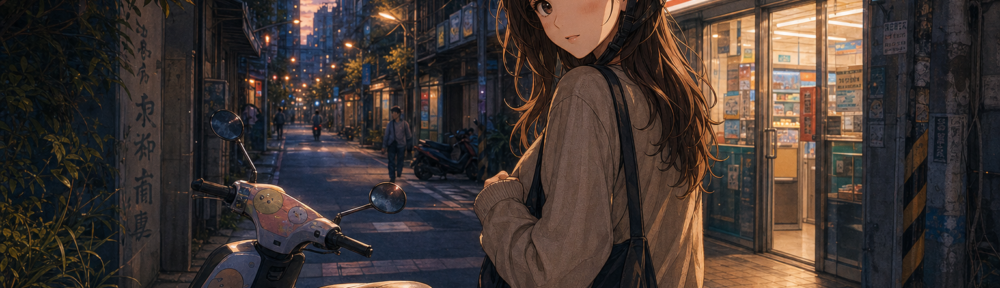
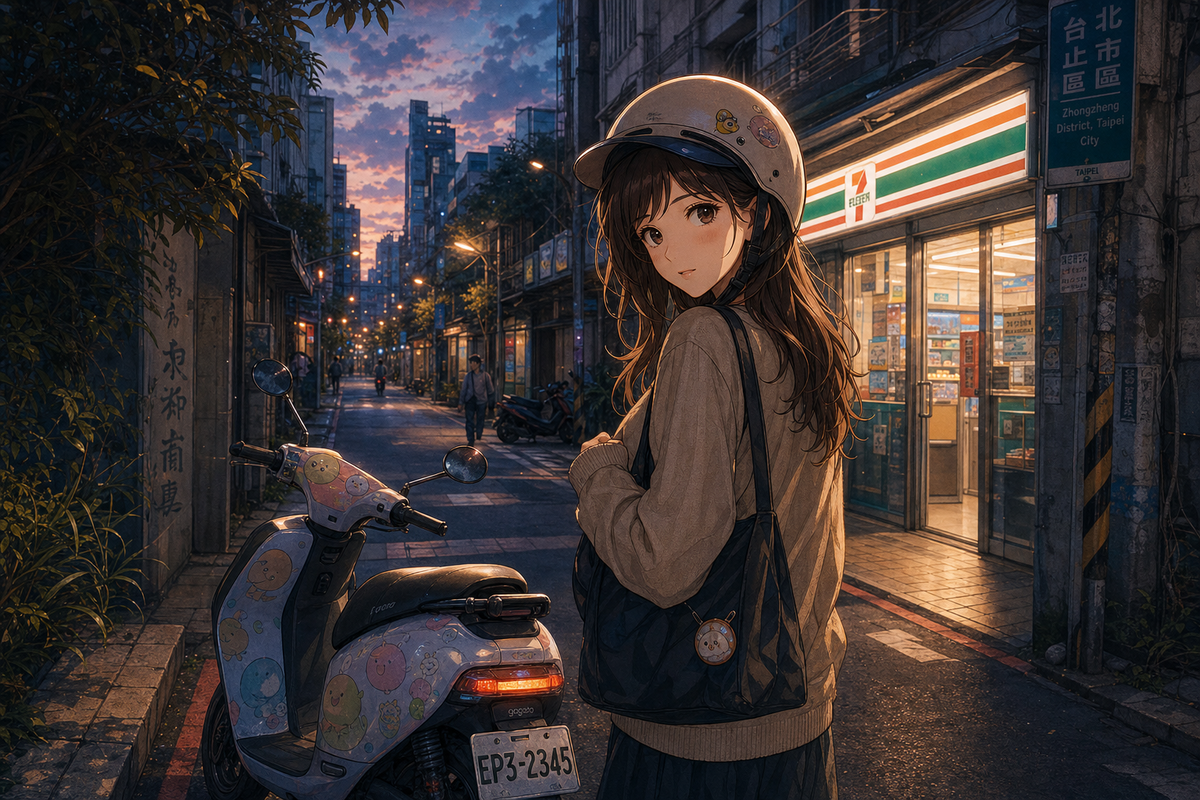
雙北的巷弄裡,有一台機車的車身印著圓滾滾的毛絨絨生物,頭盔裡飄著專屬香氛,騎過去的人可能根本沒意識到剛剛和一件展品擦肩而過。
2026台灣文博會的策展主題是「城市即展場」。這句話說起來容易,但要讓一座城市真的變成展場,而不只是在展館外牆掛幾張輸出大圖,需要讓展覽物件本身開始移動。WeMo把旗下GO與Fly車款換上貓貓蟲咖波、毛絨絨星人、駝背人的主題車貼,推出6款塗裝車,就是在做這件事——展品沒有固定座標,今天在信義區,明天可能停在永和的全聯門口。
咖波為什麼是這道牆上的對的釘子
貓貓蟲咖波不是這兩年才火的角色。創作者亞拉(Yara)2014年開始畫這個圓頭小生物,累積了全台約200萬粉絲,授權合作橫跨7-ELEVEN、壽司郎、WePlay等品牌,在LINE貼圖排行曾擠進前五。視覺語言非常簡單:圓、軟、無辜。這種簡單恰好適合在高速移動的交通工具上被辨認出來。不需要靠近,遠遠看到那個輪廓就知道是咖波。
毛絨絨星人和駝背人則代表另一種溫度——更接近日常的倦怠感,療癒系那種「被理解了」的鬆弛。三個IP放在同一批車上,覆蓋的情緒光譜比單一聯名寬很多。
限量500組胸章是一個分佈策略
租借聯名車款隨機贈限量冒險胸章,全台限量500組。這個數字的設計感很明顯:少到讓人在意,多到不至於讓參與者覺得在玩彩票。胸章讓騎乘這個動作產生儀式感。騎完一趟,換一枚章,和文博會的「城市探索」敘事剛好接得上。
傳統的文博周邊在展館裡賣,賣完就結束。這批胸章跟著共享機車的使用行為走,散落在雙北的移動軌跡裡。分佈的是體驗,不是商品。
工藝那條線
文博會這次結合了傳統藺編工藝作為策展脈絡之一。藺草編織是苗栗苑裡一帶的百年手工技術,材料是三角藺草,編出來的草蓆、草帽曾是台灣出口品項,後來幾乎消失在工業化浪潮裡,近年靠著工藝復興運動才重新被看見。
把藺編和移動展品擺在同一個策展框架裡,呈現的是一個有意思的張力:一個極慢、極靜、需要長時間練習的手工技藝,和一個24小時移動、隨租隨還的共享載具,都被稱為「文化策展載體」。這個對話本身就比任何一個單獨的物件更有趣。
IP授權正在長出腿
插畫IP的商業化路徑過去很線性:創作→授權→周邊商品→門市販售。近兩年台灣市場出現的模式是把IP嵌入「使用行為」本身——騎機車、進快閃店、參加展會——讓接觸點從購買前移到日常動線裡。WeMo這次的做法是把IP貼到移動工具上,咖波變成出門的那台車。
這對插畫創作者來說意味著什麼?品牌授權的場域從貨架延伸到了城市空間本身,曝光不再依賴消費者主動走進門市,而是跟著城市的日常移動流量一起發生。對一個粉絲基礎夠強但實體通路有限的獨立IP來說,這個模型的成本效益遠比開一間快閃店更難複製——因為需要有人願意把車隊交出來。
文博會從8月6日起至8月30日。活動進行中,那些貼著咖波的車還在雙北的街道上移動。
— 蔡子涵
When a Scooter Becomes a Gallery on Wheels
Somewhere in the back streets of Taipei or New Taipei, a shared scooter covered in round, soft cartoon creatures is sitting in front of a convenience store. The helmet smells like something specific. The person who just rode it may have walked off with a limited-edition adventure badge — one of 500 made for the entire country.
This is what the 2026 Taiwan Cultural Expo means when it says “the city is the exhibition space.” Not banners outside a venue. A fleet of vehicles that carry the show into traffic.
Why Capoo Works on a Moving Surface
Catbug Capoo — created by illustrator Yara in 2014 — has around two million followers across Taiwan and has held licensing partnerships with 7-ELEVEN, Sushiro, WePlay, and others. At its peak, Capoo ranked in the top five on LINE sticker charts. Its visual grammar is minimal: round head, soft body, vaguely confused expression. That simplicity is exactly what’s needed on something moving at 40 km/h. Recognition happens from across an intersection. No need to stop and read anything.
WeMo added two other IPs to the mix — 毛絨絨星人 and 駝背人, both leaning into a quieter, more tired aesthetic than Capoo’s playfulness. Six themed paint wraps total, across the GO and Fly models operating in the Taipei metro area. The emotional range across three IPs is wider than any single collaboration could cover.
500 Badges as a Distribution Logic
Rent a themed scooter, get a random limited adventure badge — 500 sets nationwide. That number sits in a deliberate sweet spot: scarce enough to register, plentiful enough that it doesn’t feel like a lottery. The badge makes the ride into a small ritual, which is the point. The Taiwan Cultural Expo’s “city exploration” narrative needs physical proof that something happened. A badge does that more honestly than a digital stamp.
Traditional expo merchandise lives inside the venue and stops when the show closes. These badges travel with the scooter’s usage pattern, scattering across the movement of daily life in both cities. What’s being distributed is a moment of participation, not a souvenir.
The Craft Thread
This year’s Cultural Expo also weaves in traditional sedge weaving craft — specifically the water-rush basketry technique associated with Yuanli, Miaoli County, which once produced export-grade grass mats and hats before industrial competition nearly ended the practice. Placing it in the same curatorial frame as a shared-scooter IP activation creates a productive friction: one form of cultural production that takes years to master, and one that gets unlocked with a phone and a QR code. The conversation between the two is more interesting than either object alone.
What This Model Signals for Illustration IP
The standard path for illustration IP commercialization has been: create → license → merchandise → retail. What’s been developing in the Taiwan market is a different model — embedding IP into behaviors rather than objects. Not buying Capoo; riding Capoo to work. The exposure happens before the purchase decision, which is a structurally different proposition for both the IP holder and the licensing partner.
For an independent illustrator with a strong fan base but limited retail infrastructure, this kind of deal requires finding a partner willing to hand over their entire vehicle fleet as a canvas. That’s not easy to replicate. The 2026 Illustration Taipei expo, which brought together over 330 creators and more than 400 booths, signals that the ecosystem for these deals is maturing — but the WeMo model specifically requires infrastructure that most IP operators don’t have access to by default.
The Taiwan Cultural Expo runs through August 30. The Capoo scooters are still out there.
— 蔡子涵
延伸閱讀
https://justfly.idv.tw/s/zFpXN7N