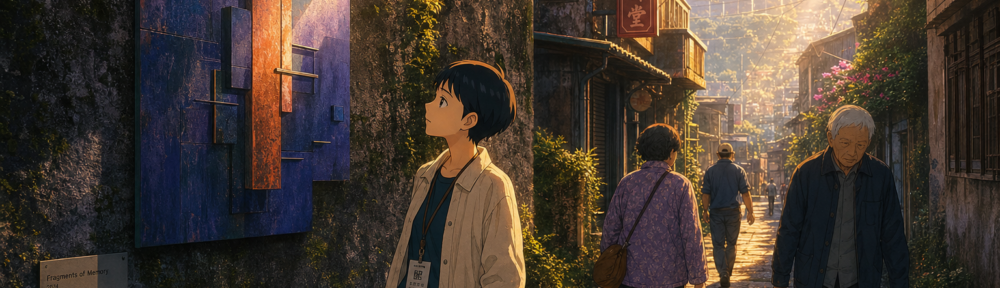
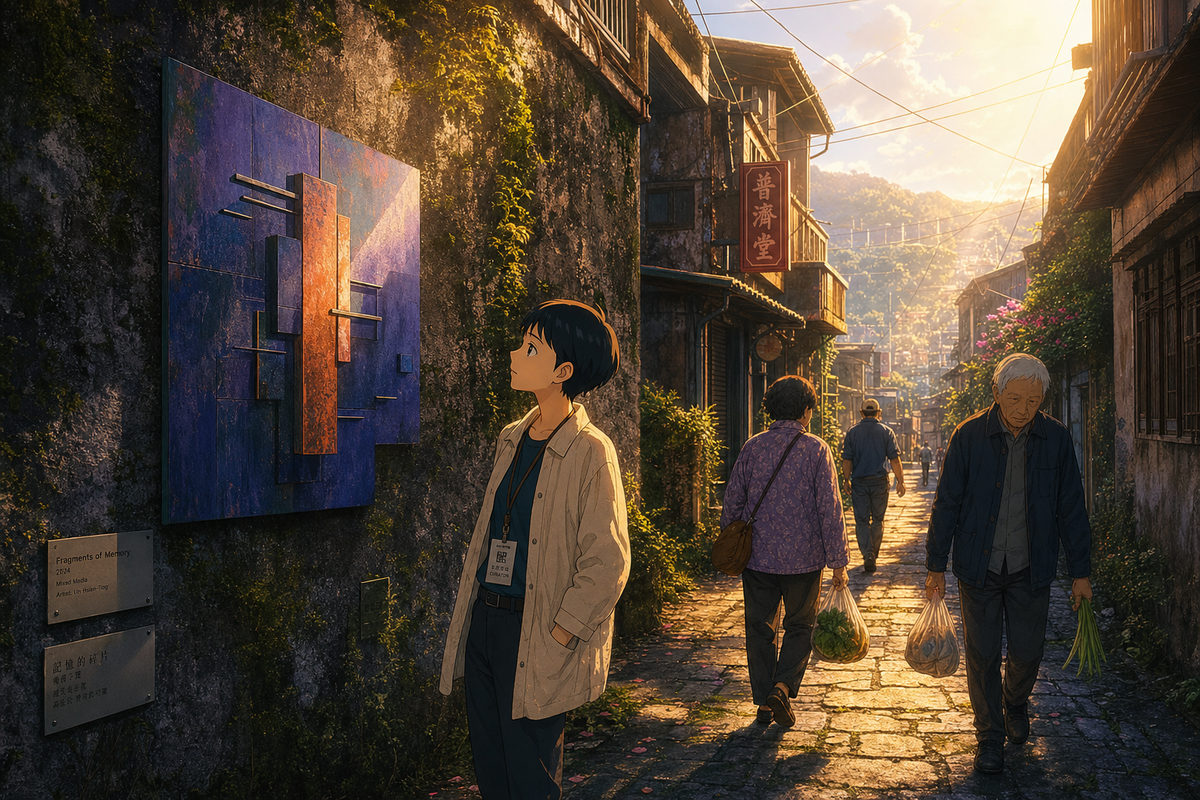
安平的老宅巷弄裡,石板路縫隙長著蒼苔。赤崁樓前的空地每逢假日就擠滿觀光客,但沒有人叫那裡是「藝術空間」。這種命名的落差,正是第一屆臺南藝術雙年展「迴圈.超展開」試圖處理的裂縫。
台南的空間資本從來不缺
台北有雙年展,台中有纖維節。南部最古老的城市在當代藝術的國際序列裡長期缺席,這件事本身就是一個文化地理的問題,不只是資源分配的問題。台南擁有層疊的歷史街區——安平、赤崁、神農街——每一塊都是有機生長出來的場域,不是任何策展人憑空規劃出來的。
「城市即展場」這個邏輯在台南有一種特別的說服力,因為這座城市的日常空間本來就充滿策展語法。廟口的神明桌、老宅改建的咖啡店、巷弄轉角突然出現的塗鴉牆——這些東西並非等待被藝術「活化」,本身就在執行某種展示。藝術雙年展真正要做的,是重新標定觀看的框架,而不是替空虛的城市填充內容。
「超展開」的賭注
主題「迴圈.超展開」這個詞組本身就透露了策展野心——迴圈指向循環與重複的結構,超展開則是一個從日本動漫語境借來的詞,意思是劇情突然往意外方向急轉。把這兩個詞放在一起,策展方等於在宣告:這個展覽刻意製造叉路,不打算給出答案。
這種姿態對當代藝術雙年展來說並不罕見,但放在台南這個座標上就有了額外的摩擦感。台南的歷史積澱給了這座城市一種天然的「迴圈」屬性——鄭氏王朝、荷蘭時期、日治建築、戰後街屋,所有的時間層都疊在同一個街廓裡。「超展開」在這個背景下是一種破解閉迴路的必要動作,不多也不少。
從美術館走出去之後
把展覽從白盒子帶進街區,這個動作在國際策展圈已經不新鮮。藝術雙年展發展至今,威尼斯、聖保羅、光州都做過各種形式的城市滲透型展覽,結果不一。真正的問題是:走出去之後,城市裡本來不看展的人會不會因此改變觀看習慣——還是說,這只是讓已經懂的人多了一個戶外行程。
台南的賭注在於,這座城市的日常使用者和觀光客之間有高度重疊,但本地居民對藝術的距離感也同樣真實。神農街在過去十年已經從老街變成網美打卡點,這個轉變本身就是一次沒有策展人的「文化地理重新分配」。雙年展介入這個已經在發生的過程,時機點很微妙。
南部進入序列,但序列本身值得質疑
「台灣的文化地理正在重新分配」這句話聽起來像政策文件,但背後有真實的結構在移動。長期以來,當代藝術的機構資源集中在台北,這不是秘密。台南這次正式進入雙年展序列,是南部城市在文化基礎設施上的一次宣示性佈局。
但「進入序列」這件事本身需要被稍微拆解一下。雙年展作為一種策展機制,有自己的生產邏輯——兩年一次的節奏、國際藝術家的邀請、媒體曝光的週期——這套機制有能力製造能見度,但不保證在地深根。台南最終能不能把這個展覽的能量轉化成長期的藝術生態,取決於展覽結束後那些街區裡剩下了什麼。
展覽預計在今年10月登場。安平的石板路不會因為一個展覽就改變長法,但蒼苔旁邊如果多了一件作品,觀看這條路的方式就會不一樣。改變的是眼睛,空間還是那個空間。
— 張誠書
When the Exhibition Moves to the Street
The stone-paved lanes of Anping have moss growing in the cracks. The open plaza in front of Chihkan Tower fills with tourists every weekend, but nobody calls it an “art space.” That gap in naming is exactly the fissure the first Tainan Art Biennial — “Loop. Plot Twist.” — is trying to work with.
The City Already Curates Itself
Taipei has its biennial. Taichung has its fiber festival. For a long time, Taiwan’s oldest city was absent from the international sequence of contemporary art biennials — and that absence was a cultural geography problem, not just a resource problem. Tainan holds layered historic districts — Anping, Chihkan, Shennong Street — each of them organically grown, not designed by any curator.
“The city as exhibition space” carries a particular persuasiveness in Tainan because the daily spaces here already operate on curatorial logic. The altar table at a temple entrance, the converted old house turned café, the mural that appears at a lane’s blind corner — none of these are waiting to be “activated” by art. Already performing a kind of display. What a biennial actually does, in a city like this, is reframe the act of looking. Not fill an empty vessel.
What “Plot Twist” Is Betting On
The theme “Loop. Plot Twist.” gives away the curatorial ambition. Loop gestures at cyclical structures and repetition. “Plot twist” — borrowed from Japanese anime vocabulary — means a sudden lurch into an unexpected direction. Placing these two concepts together signals: this exhibition intends to manufacture forks in the road, not deliver answers.
Tainan’s historical accumulation gives the city a natural “loop” quality already — Zheng dynasty, Dutch colonial period, Japanese-era architecture, postwar shophouses, all layered within the same city block. The “plot twist” here is the necessary force applied to break open a closed loop. Nothing more provocative than that.
After the White Cube Moves Outside
Taking exhibitions out of white-box galleries and into city streets is not a new gesture in international curatorial practice. Venice, São Paulo, Gwangju have all produced various forms of urban-infiltration exhibitions, with uneven results. The real question is not whether the exhibition left the museum. It is whether the people in the city who never went to museums would change their habits afterward — or whether the whole enterprise simply gave people who already know how to look a more interesting walk.
Tainan’s bet is complicated by the fact that Shennong Street has already undergone its own uncurated transformation over the past decade — from old lane to Instagram destination. That shift happened without a biennial, without a press release. A formal exhibition entering this already-changed space has to reckon with what it adds, not just what it frames.
Entering the Sequence Is Not the Same as Taking Root
The biennial format carries its own production logic: a two-year rhythm, international artist invitations, a media cycle. This mechanism generates visibility. Does not guarantee local depth. Whether Tainan can convert the energy of this exhibition into a lasting arts ecosystem depends on what remains in those street blocks after the closing reception.
The exhibition is scheduled to open in October of this year. The stone-paved lanes of Anping will not change their moss growth because of one biennial. But if a work of art appears beside the moss, the way a person walks that lane will shift — just slightly. A changed eye, not a changed space. That is the only thing a district-based exhibition can reliably deliver.
— 張誠書
延伸閱讀
https://justfly.idv.tw/s/bGrjxMk