北海道東川町,人口不到一萬,三十年間逆勢成長兩成。這個數字放進日本整體人口萎縮的脈絡裡,幾乎像一個統計錯誤。台灣國發會的官員專程赴日,回來時帶著一張「特別町民證」——東川町頒給那些真心想學的外來者的身份認同,不是外交禮遇。
為什麼留下來,才是真正的題目
東川町沒有新幹線站,沒有大型產業園區。它的人口回流,靠的是一套讓設計師、農夫、年輕家庭願意定居的生活邏輯:自然景觀、職人文化、緩慢但有品質的日常節奏。這是地方創生最難複製的核心——讓人覺得「在這裡活著是值得的」,觀光策略做不到這件事。
台灣拿到的那張特別町民證,象徵意義遠大於實質。重點在於:台灣國發會帶回去的,不會是什麼補助框架或行政SOP,而是一個更根本的提問方式。地方再生的第一道題,從來不是「這裡能產生多少GDP」,而是「這裡能讓誰願意每天早上起床」。
農田裡的台日外交
同一週發生的事,值得並排來讀:宜蘭小農與日本山鹿市合辦串柿藝術展,台灣虎航與岡山縣合作聯名塗裝機。這兩件事都不在外交部的新聞稿裡,但它們代表的台日連結,比許多正式場合的握手更紮實。農民對農民、設計師對城鄉規劃者,直接學、直接做、不用通過任何簽署儀式。
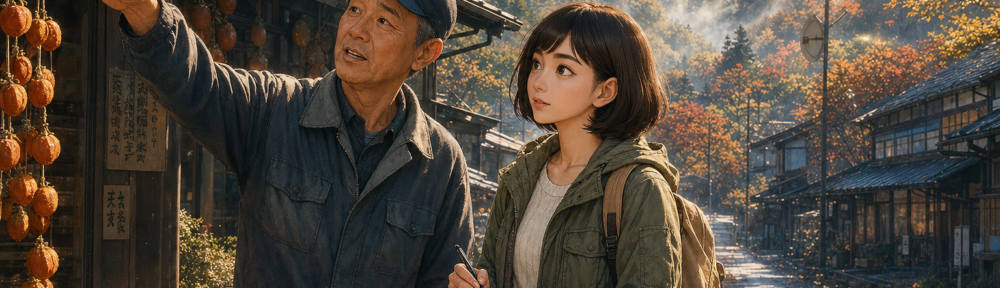
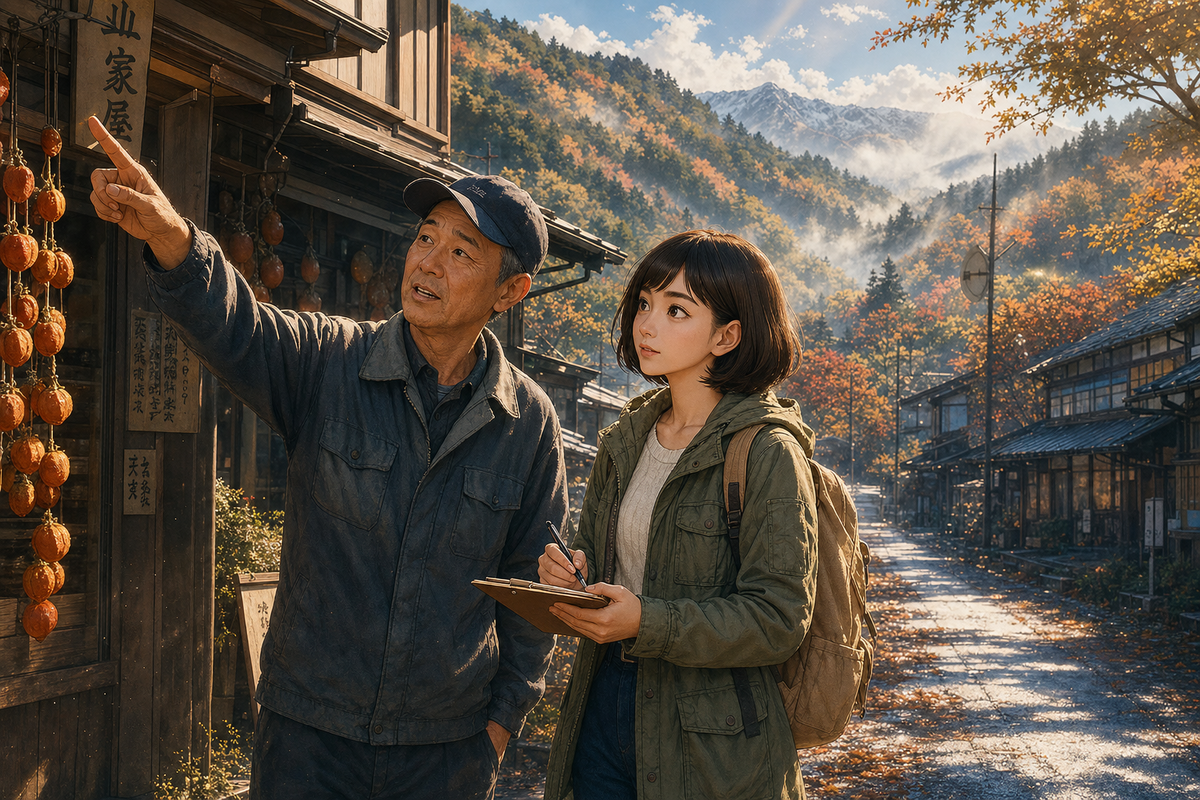
串柿是日本傳統農村的冬日風物,掛起來曬的不只是柿子,是一整套對食物節氣的理解。宜蘭小農把這套工藝帶進展覽,說明食農教育本身已經走出課堂,走進跨國的美學對話。這種學習是對話,不是移植。宜蘭的土地條件、濕度、農耕文化,都和山鹿市不同,但「讓食物成為地方驕傲」這件事,兩邊都在做。
高鐵3,522億,買的是什麼
台灣政府核准的宜蘭高鐵延伸線,預算3,522億,預計2037年完工。這條線要穿越雪山山脈,工程難度極高,但更值得討論的問題是:快速交通進來之後,宜蘭還能是宜蘭嗎?
東川町的邏輯恰好相反——它的吸引力建立在「不那麼方便抵達」的前提上。快速交通有時是地方再生的助力,有時是同質化的加速器。宜蘭的挑戰,在於如何在交通基礎建設進場之前,先把地方的生活主體性建立好。否則,高鐵帶進來的是週末旅客,不是移居者。週末旅客養活民宿,卻養不活一個有機農場。
順序的問題,不說清楚就容易被忽略。東川町花了三十年建構生活品質,才能讓人口數字往上走。3,522億的基礎建設,如果配套的是農村美學投資和食農教育扎根,那張特別町民證才算真的被讀懂。
「地方對地方」的學習才有質地
台日之間正在形成一種新的學習關係,不走國家對國家的路線,而是農民、設計師、城鄉規劃者之間的直接借鑑。這種學習有質地,因為它帶著具體的土地、具體的作物、具體的氣候問題——在地磨合,搬不進政策文件直接套用。
宜蘭小農去日本看串柿,不是去看一個漂亮的展覽,是去看另一種「用食物說話」的方式。台灣虎航在飛機機身畫上岡山縣的圖樣,每次起降都是一次地方品牌的能見度練習。這些細節加在一起,比任何官方交流備忘錄都更接近真實的文化學習。
東川町的成功沒有秘密,只有耐心。三十年,人口成長兩成。台灣願意等多久,決定能學到多深。
— 方雨柔
What Taiwan Borrowed from a Hokkaido Town of 8,000
Higashikawa, Hokkaido. Population under ten thousand. Over thirty years, it grew by twenty percent while the rest of Japan shrunk. Taiwan’s National Development Council sent officials there and came home with something called a “special townsperson card” — not a diplomatic credential, but an identity issued to outsiders who genuinely want to learn.
The Question Nobody Asks at GDP Summits
Higashikawa has no shinkansen stop, no industrial park. Its regional revitalization is built on something harder to replicate: a daily life that designers, farmers, and young families consider worth staying for. Slow rhythm. Craft culture. Landscapes that look like effort was made. The town didn’t attract people — it gave them a reason to not leave.
Taiwan’s NDC officials returned with that symbolic card. What they actually brought back is a different question template for regional planning: not “how much can this place produce” but “who would want to wake up here every morning.” That reframe is worth more than any administrative framework.
Diplomacy Happening in the Fields
The same week Taiwan’s officials were in Hokkaido, farmers from Yilan co-hosted a dried persimmon art exhibition with Yamaga City in Japan, and Tigerair Taiwan collaborated with Okayama Prefecture on a livery design for one of its aircraft. Neither event appeared in any foreign ministry press release.
Dried persimmons — kushigaki — are a Japanese winter tradition: fruit threaded on rope and hung to dry in cold mountain air, a practice that encodes an entire understanding of food seasonality. Yilan farmers didn’t bring it home to copy it. They put it in an exhibition to start a conversation between two different farming cultures. Yilan’s humidity, its soil, its agricultural history — none of that matches Yamaga’s. The shared premise is simpler: food can be a local identity, not just a commodity.
Tigerair’s Okayama livery lands and departs dozens of times a week. Every flight is a visibility exercise for a Japanese prefecture most Taiwanese passengers couldn’t locate on a map. That’s not tourism marketing — that’s place branding at cruising altitude.
NT$352.2 Billion and the Wrong Order of Operations
Taiwan’s government has approved a high-speed rail extension to Yilan, budgeted at NT$352.2 billion, with a target completion year of 2037. The line requires tunneling through the Xueshan Range. Engineering difficulty aside, the more pressing question is what the region becomes when fast transit arrives.
Higashikawa’s logic runs in the opposite direction — part of its appeal is precisely that it takes effort to reach. Fast transit can accelerate regional revitalization, or it can flatten a place into a weekend destination. Weekend tourism sustains guesthouses. It doesn’t sustain organic farms, craft workshops, or school enrollment numbers.
The sequencing matters. Higashikawa spent three decades building a quality of life that made people want to stay permanently. If Yilan’s NT$352.2 billion infrastructure arrives before the food culture, the agricultural identity, and the living conditions that make residency appealing — what comes in is tourists, not settlers. Tourists leave Sunday night.
Learning That Has Soil on Its Hands
What’s forming between Taiwan and Japan right now is not state-level cultural exchange. It’s farmers watching how other farmers handle winter fruit. It’s urban planners from Taiwan standing in a Hokkaido town that shouldn’t statistically exist, asking how it happened. It’s a low-cost carrier painting a prefecture’s visual identity on metal and flying it across the strait six times a day.
This kind of learning carries weight because it’s grounded in specific land, specific crops, specific weather problems. It can’t be copy-pasted into a policy white paper and called done.
Higashikawa’s twenty-percent population growth took thirty years. There is no faster version of it. The special townsperson card Taiwan took home is only useful if whoever holds it understands that.
— 方雨柔
延伸閱讀
https://justfly.idv.tw/s/QY1bUVt