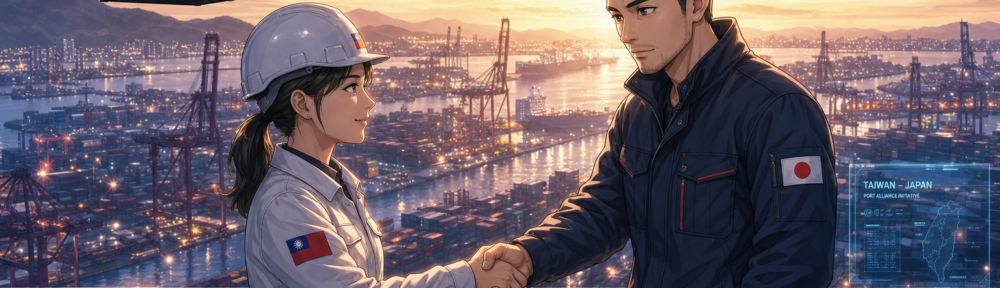
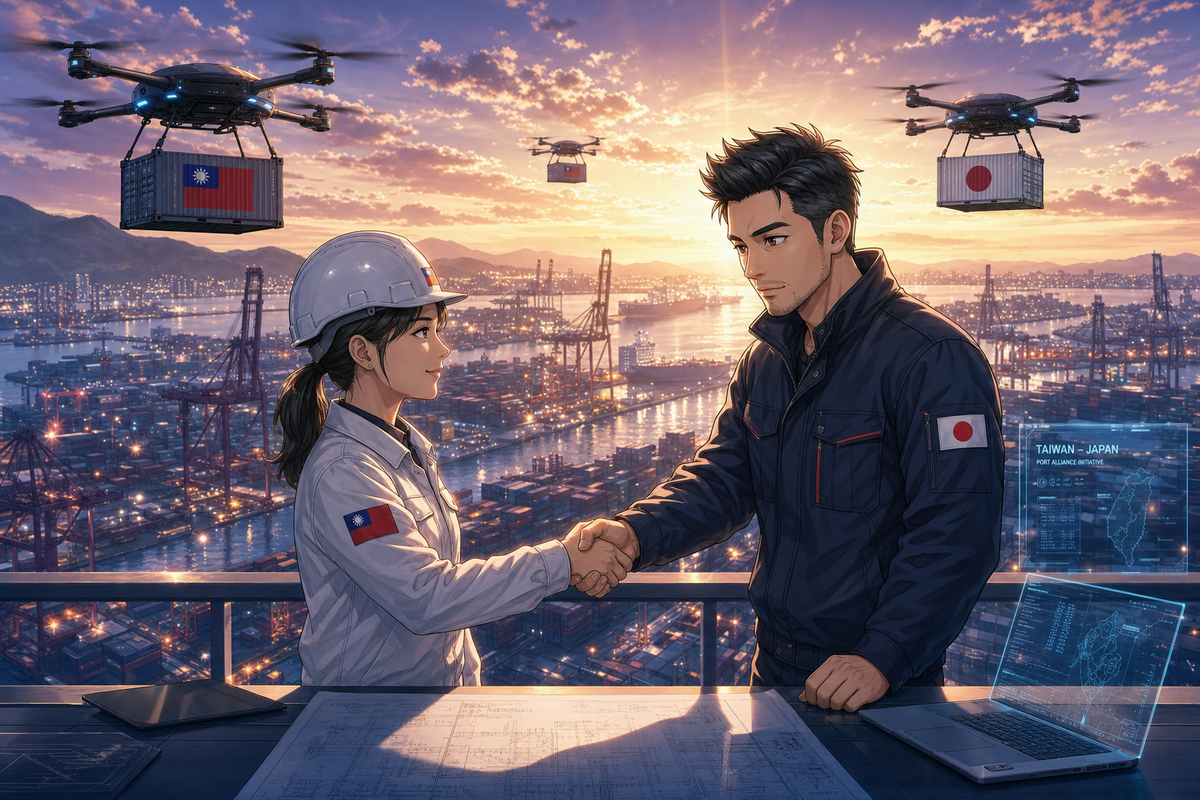
2026年1月,中國對日本實施無人機雙用途品出口管制。當時的邏輯很清晰:懲罰東京、警告再軍事化、展示北京的槓桿。但有一個細節北京可能沒有充分計算——日本超過90%的無人機進口來自中國,而這條供應鏈一旦斷裂,日本只能轉頭去找替代夥伴,而台灣恰好在那裡。
台灣無人機新創7A Drones在今年已與日本企業簽署兩項協議,涵蓋物流無人機、自主飛行開發與台日供應鏈建立。日本媒體給這條正在成形的合作路線起了一個名字:「非紅供應鏈」。日本政府已撥款逾¥1,000億(約7億美元)支持國內無人機產業,目標是2030年前製造80,000架日製無人機。台灣這一端,政府2025至2030年間投入NT$442億,涵蓋267家企業,機體、通訊、動力、飛控各環節俱全。
「非紅」這個詞是政治聲明,不是技術規格。採購決策從此多了一欄篩選條件:零件是否來自中國?這個問題在2025年以前大概沒有多少日本採購主管需要認真回答。現在有了。
從被動受益到主動布局,差距在哪裡?
2025年,台日無人機產業聯盟(TEDIBOA-JUASIDA)已簽署MOU,為今年的商業合約打下制度框架。這不是偶然的時機點——台灣在觀察烏克蘭的無人機實戰後啟動本土產業計畫,承諾在2026年底前建立完全非紅色供應鏈的無人機產業,2028年年產目標達18萬架。台灣Q1 2026出口136,010架無人機,首次超越整個2025年對歐出口總量(107,433架)。這個數字放在那裡,不需要過度詮釋。
台灣一直是武器進口方。雷虎科技的Overkill無人機取得五角大廈「Blue UAS Cleared」認證,成為亞洲首例,代表這個角色正在翻轉。供應方與被保護方,是兩種截然不同的談判位置。日本的需求,加速了這個位置的切換。
行政院院長卓榮泰視察中科無人機反制系統製造商時說過一句話:目標是將台灣打造成「亞太民主無人機供應鏈樞紐」。這個定位的弔詭之處在於,它需要地緣政治緊張才能成立——越緊張,「非紅」標籤越值錢,台灣的供應鏈越有溢價空間。北京的出口管制,客觀上幫台灣把這套論述打了一針強心劑。
北京的計算與它的副作用
中國對日本的出口管制行動不只發生在無人機這一條線。2026年6月29日,中國商務部新增20家日本組織至出口管制清單,被列名者包括三菱電機防衛暨太空技術公司、防衛省防衛研究所等機構。6月30日又對40家日本企業實施管制,涵蓋三菱集團子公司、富士通、小松分公司。中方的措辭是「助長日本再軍事化」。
施壓的力道夠重,但施壓的方向,有點問題。每一次北京把日本企業推離中國供應鏈,就有另一個問題浮上日本企業採購清單:那麼,替代來源在哪裡?
這不是台灣「贏了」的故事,更準確的描述是:出口管制的設計邏輯是切斷,但切斷的同時也打開了別人的門。¥1,000億規模的台日工業布局,帳面上是商業協議,背景裡是一連串北京自己簽署的出口禁令。
一個仍然未解的問題
目前的台日無人機合作,同時橫跨民用物流與國防工業基礎建設兩個維度。這條線要走多深、走多快,取決於日本國內的政治共識能否跟上採購需求,也取決於台灣267家供應鏈企業能否在2026年底前真正兌現「完全非紅」的承諾。
承諾是一回事,產能是另一回事。18萬架的年產目標、80,000架的日本製造計畫、¥1,000億的資金規模——這些數字此刻仍是計畫書上的座標,不是出貨單上的數字。台灣出口的136,010架Q1數字,是現實;其餘還在追趕途中。
北京在等台灣兌現不了。台北在等日本採購訂單落地。東京在等自己的產業政策從補貼變成生產線。三個等待同時發生,¥1,000億的聯盟能不能成真,2030年見分曉。
— 林柏仁
China Sanctioned Japan. Taiwan Got the Contract.
In January 2026, China imposed export controls on dual-use drone components bound for Japan. The logic was straightforward: punish Tokyo for its defense buildup, demonstrate leverage. What Beijing may not have fully priced in was this — Japan sourced over 90% of its drone imports from China, and when that line snapped, Japan needed somewhere else to turn. Taiwan was already there.
Taiwan’s drone startup 7A Drones has signed two agreements with Japanese companies this year, covering logistics drones, autonomous flight development, and supply chain integration. Japanese media coined a term for what’s taking shape: the “non-red supply chain.” Japan’s government has committed over ¥100 billion (roughly $700 million USD) to support domestic drone manufacturing, targeting 80,000 Japan-made units by 2030. On Taiwan’s side, NT$44.2 billion flows into the sector between 2025 and 2030, across 267 companies spanning airframes, communications, propulsion, and flight control.
“Non-red” is not a technical specification. It’s a procurement filter — one that barely existed in most Japanese purchasing decisions before 2025. Now it’s a line item.
The Shape of the Pivot
The Taiwan-Japan drone industry alliance (TEDIBOA-JUASIDA) signed an MOU in 2025, laying the institutional groundwork for this year’s commercial deals. That timing was not accidental. Taiwan launched its domestic drone program after studying Ukraine’s battlefield use of unmanned systems, and committed to a fully China-free supply chain by end-2026, with an annual production target of 180,000 units by 2028. Taiwan’s Q1 2026 drone exports reached 136,010 units — surpassing the entirety of its 2025 exports to Europe (107,433 units) in a single quarter.
Taiwan has historically been an arms importer. Raytrong Technology’s Overkill drone becoming the first Asian platform to receive the Pentagon’s “Blue UAS Cleared” designation marks a shift in that posture. Supplier and protected party occupy different seats at the negotiating table. Japan’s demand is accelerating the move between them.
The Boomerang Geometry
The drone controls were not China’s only move against Japan. On June 29, 2026, China’s Ministry of Commerce added 20 Japanese organizations to its export control blacklist — including Mitsubishi Electric Defense and Space Technologies and the National Institute for Defense Studies. The following day, 40 more Japanese companies received restrictions, with Mitsubishi Group subsidiaries, Fujitsu, and Komatsu units among them. Beijing’s stated rationale: Japan’s “remilitarization.”
The pressure is real. But the direction has a side effect. Every time Beijing pushes a Japanese enterprise away from Chinese supply chains, a question rises on the other end: where does the replacement come from?
This is not a story where Taiwan simply won. The more precise framing: export controls are designed to cut off, but cutting off also opens a door somewhere else. The ¥100 billion-scale Taiwan-Japan industrial alignment is a commercial arrangement on paper, and a sequence of Beijing’s own export bans in the background.
What Still Has to Be Proven
The Taiwan-Japan drone cooperation spans both civilian logistics and defense industrial infrastructure — two very different delivery timelines and risk profiles. How far and how fast this goes depends on whether Japan’s domestic political consensus can keep pace with procurement demand, and whether Taiwan’s 267 supply-chain companies can actually deliver on the “fully China-free” promise before the end of 2026.
The 180,000-unit annual production target, Japan’s 80,000-unit manufacturing goal, the ¥100 billion capital commitment — these are still coordinates on a plan, not line items on a shipping manifest. Taiwan’s Q1 export figure of 136,010 units is the real number on the board. The rest is still in transit.
Beijing is waiting for Taiwan to fall short. Taipei is waiting for Japanese purchase orders to materialize. Tokyo is waiting for subsidy to become production line. Three waiting games, one industrial bet. The 2030 deadline is when the arithmetic gets honest.
— 林柏仁
延伸閱讀
https://justfly.idv.tw/s/jCDTYSh