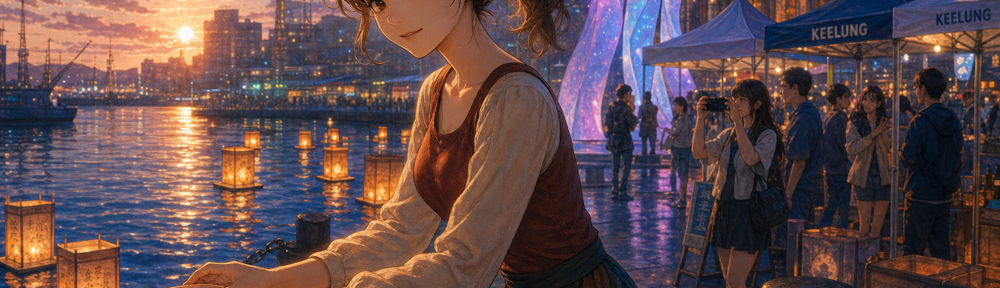
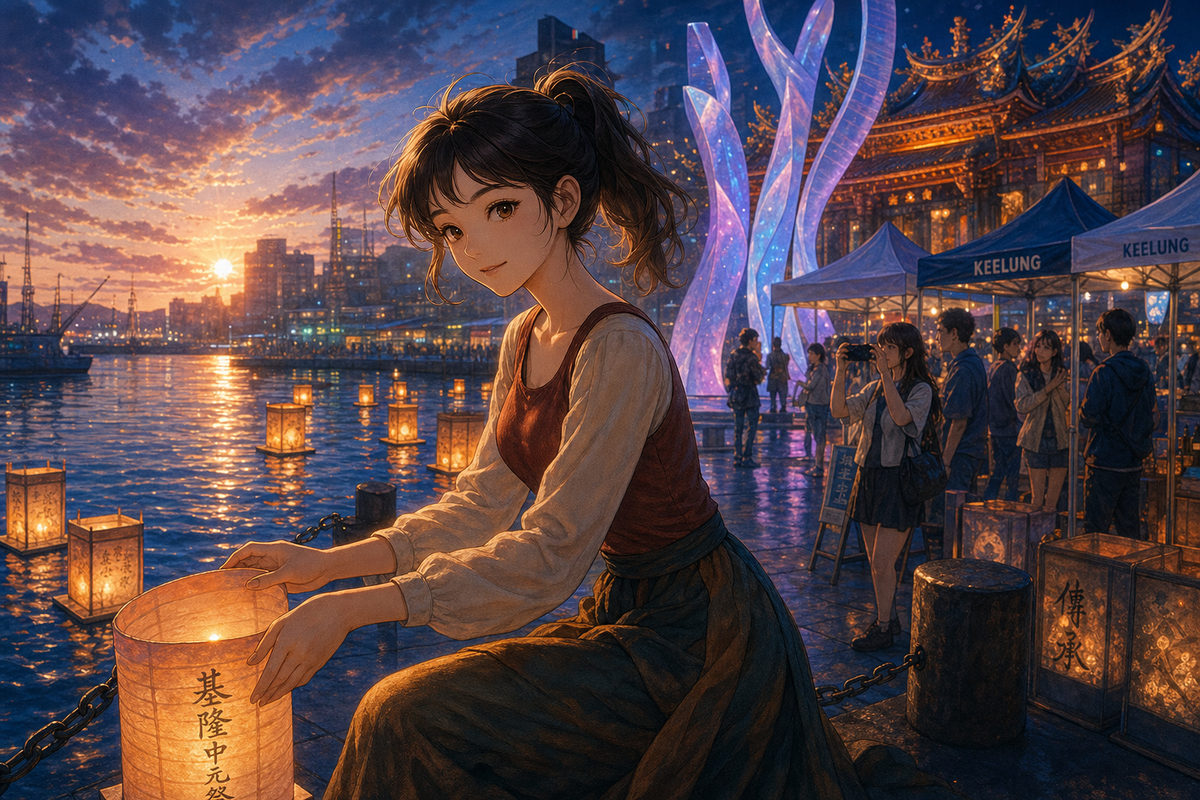
基隆的中元祭已經辦了172年,今年多了一件事:港邊廣場擺出當代藝術家吳騏聯名作品,港口裝置《溯Trace》立在放水燈的路線旁,旁邊還有九個跨界品牌搭起的快閃棚子,叫「隆Like平安」。傳統祭儀的節奏沒有變——農曆七月開龕門、放水燈、跳鍾馗——但走進會場,眼睛先看到的可能是裝置藝術,然後才是主普壇。
這像什麼呢?像一間老廟翻修的時候,工班沒有拆掉神像,只是在廟埕加了幾張可以拍照的椅子。核心沒動,但動線變了,來的人也變了。
儀式沒有消失,只是多了一層入口
2026鷄籠中元祭訂在8月12日到9月11日,範圍是基隆市區跟港邊廣場。伯朗咖啡、日清、味覺糖這些名字出現在祭典現場,聽起來突兀,但邏輯不難懂:對不熟悉中元普渡典故的年輕人來說,直接走進主普壇,門檻其實不低。快閃棚子是一個更矮的台階——先為了咖啡或零食走進場地,水燈頭跟藝術裝置就在旁邊,順路看了,順路懂了一點。
同一個週末,台南安平運河南岸有另一件事在發生。「Tabe札哈木樂原」8月1日、也就是原住民族日,正式開幕,由夏荊山文化藝術基金會取得九年營運權,整合原民餐飲、文創商品與《拾憶流轉》特展。兩個案子隔著台灣海峽的兩端,做的其實是同一道題:把一套原本需要文化背景才進得去的傳統,改造成不需要背景也能消費、也能停留的空間。
這不是基隆一個人在做的實驗
把鏡頭拉遠,會發現這種「傳統外掛快閃」的做法,2026年在台灣到處都在發生。台東博覽會把整個縣的策展精神濃縮成「SLOW FOR LIFE」,6月時在西門站辦過快閃,集結兩百多件品牌授權商品,用打卡換捷運點數的方式,把通勤人潮導向山海與南島文化的敘事。新北貢寮那邊,一間老檳榔攤「阿松檳榔」升級成「農創所二號」,結合水T藝術節,把閒置店面變成地域品牌基地。竹山國際茶道節則是把傳統茶葉展銷會,加進頌缽音療跟職人導覽,做成五感體驗遊程。連嘉義的台灣燈會,也是拿數位藝術去疊在傳統燈籠工藝上頭。
這些案子分屬不同縣市、不同主辦單位,彼此大概沒有互相參考,但長出來的形狀相似:核心儀式或工藝留著不動,外面包一層可以拍照、可以消費、可以在半小時內體驗完的介面。
市場邏輯比文化情懷更誠實
台灣茶品牌今年在東京的選物空間做快閃,把台灣茶包裝成「極簡生活單品」,刻意避開伴手禮的沉重感。「台湾文化祭」第二年落腳東京中野,規模擴大到三個場地,證明這種實體化模式可以年年複製,不是辦一次就結束的活動。這條路徑背後沒有太多神秘感——傳統文化要留住年輕世代的注意力,就得先想辦法讓人願意停下腳步三十秒。品牌快閃、裝置藝術、打卡機制,做的都是這件事:降低第一次接觸的成本。
至於進了會場之後,有人真的走到主普壇前拜了拜,有人只是繞去拍完《溯Trace》就離場,兩種人今年都會出現在基隆港邊。9月11日祭典結束那天,人潮數字會怎麼分佈,沒有人事先知道。
— 張可薇
Ghost Festival Meets Pop-Up Store: Taiwan’s Rituals Learn a New Language
Keelung’s Ghost Festival has run for 172 years. This year the harbor plaza also holds an art installation, Trace, made with artist Wu Chi, standing along the route where water lanterns are released. Beside it: pop-up tents from nine cross-industry brands, under a campaign called “隆Like平安.” The ritual calendar hasn’t moved — the gate of the underworld still opens in the seventh lunar month, lanterns still go into the water, the Zhong Kui dance still happens. But the first thing a visitor’s eye catches walking in might be the installation, not the shrine.
Picture an old temple mid-renovation. The crew doesn’t touch the statue in the back — they just add a few photogenic benches out front. Nothing sacred moves. But the traffic pattern changes, and so does who shows up.
The Ritual Stays, the Entrance Gets Lower
The 2026 Keelung Ghost Festival runs August 12 to September 11, across downtown Keelung and the harbor plaza. Brands like Mr. Brown Coffee, Nissin, and Mitsumi Candy setting up inside a religious festival sounds jarring until the logic clicks: for someone unfamiliar with the customs of the Ghost Festival, walking straight up to the main altar is a high bar. A pop-up tent is a lower step — people wander in for coffee or candy, and the water lanterns and art installation happen to sit right next to it.
The same week, on the other side of the strait, something parallel unfolds. “Tabe札哈木樂原,” an Indigenous cultural cluster on the south bank of Anping Canal in Tainan, opened August 1 — Indigenous Peoples’ Day — under a nine-year operating lease held by the Hsia Ching-Shan Foundation of Arts and Culture. It bundles Indigenous food, craft goods, and an exhibition titled 拾憶流轉 into one space. Different coast, same exercise: take a tradition that used to require background knowledge to enter, and rebuild it as a space anyone can walk into and simply spend time — or money.
Keelung Isn’t Running This Experiment Alone
Zoom out and the pattern shows up across Taiwan in 2026. The Taitung Expo compressed its curatorial spirit into “SLOW FOR LIFE” and ran a pop-up at Ximen Station in June, gathering over 220 licensed products and rewarding check-ins with transit points — funneling commuter foot traffic into a narrative about ocean culture and Austronesian roots. In New Taipei’s Gongliao, an old betel-nut stand called “阿松檳榔” was rebuilt into “農創所二號,” a regional branding hub tied to the Shui-T Art Festival. The Zhushan International Tea Ceremony Festival added singing-bowl sound therapy and artisan-led tours to what used to be a straightforward tea trade show. Even the Taiwan Lantern Festival in Chiayi layered digital art over traditional lantern craft.
None of these projects appear to be coordinating with each other. Yet they converge on the same shape: keep the core ritual or craft untouched, wrap it in a layer that’s photographable, purchasable, and consumable in under thirty minutes.
Market Logic Is More Honest Than Cultural Sentiment
A Taiwanese tea brand ran a pop-up this year in a Tokyo select shop, repackaging tea as a “minimalist lifestyle item” — deliberately shedding the weight of “souvenir.” The Taiwan Culture Festival in Tokyo’s Nakano district expanded to three venues in its second year, proof the format can repeat annually rather than exist as a one-off. There’s no deep mystery in the mechanism: traditions competing for young attention need to buy the first thirty seconds of someone’s interest before anything else can happen. Brand pop-ups, installations, check-in incentives — they’re all built for that one job.
What happens after someone walks through the gate is a different question. Some will bow at the altar. Others will photograph the installation and leave. Both will show up at Keelung’s harbor this year. When the festival closes on September 11, nobody has published which crowd will be bigger.
— 張可薇
延伸閱讀
- 嘉義竹蒸籠還在冒煙,日本找不到的手藝就在這裡
- 赤峰街小店搬去承德路,那杯咖啡的味道會留下嗎
- 大洲臥龍山莊以外:一張和紙,把台灣策展人帶進城下町
- 台鐵排骨便當開盒:先炸後滷的那一塊肉
- 新井耕吉郎紀念碑,立在一杯紅茶的源頭
https://justfly.idv.tw/s/uPU9N9u