
搜「大洲 臥龍山莊」,跳出來的多半是肱川邊的數寄屋建築、不老庵的船底天井。2026 年 10 月 10 日起,這條路線多了一個變數:大洲市官方公告,《OZU ARTS and CRAFTS 2026》在肱南地區展開,會期到 10 月 25 日,今天還在進行。四個場域是大洲城、臥龍山莊、盤泉莊,以及舊平田邸。最後這一站,是台北「一嶼 ISland」設在日本的據點。
6 月 6 日開幕的町家
先把時間線釘好。大洲市官方在 6 月 2 日的開幕公告寫明,「一嶼 HITOSHIMA 平田邸・Art Space」於 2026 年 6 月 6 日開幕,不是 10 月才開。官方描述這棟明治期留下的木造町家,近年一直是空屋;VERSE 的報導則提到,它曾是 1924 年開業的和服店。空屋換上台北來的招牌,開幕時還帶著一檔結合台灣、軽井沢、大洲三地的企劃展,展期到 7 月 31 日。
十月的藝術祭是第二幕。官方說明這是第三屆,一嶼 HITOSHIMA 擔任企劃與策展單位,舊平田邸成為綜合服務中心與免費展區,另外三個收費場域的入場資訊以官方頁面為準。
紙纖維透光的那一小段
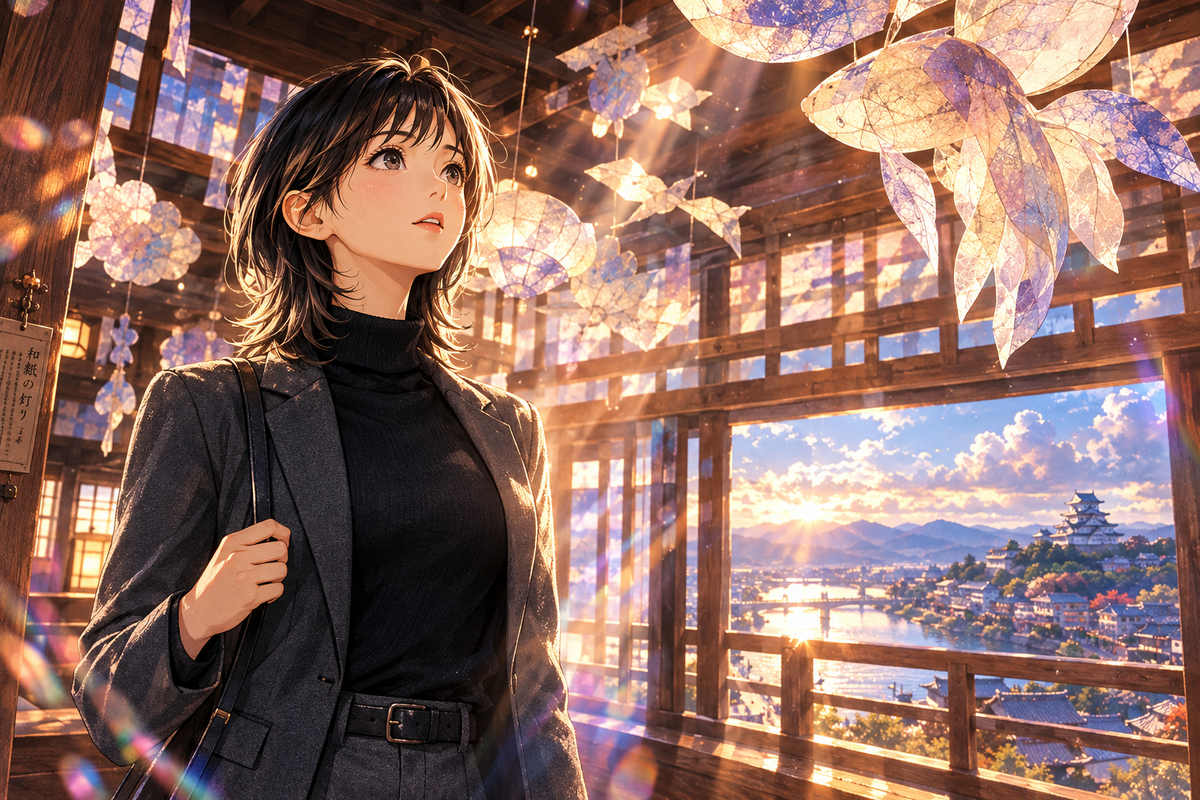
四位藝術家裡,最適合拿來看材質的是康力升。官方介紹他以紙纖維作雕塑語言,從和紙原料楮(こうぞ)纖維出發,用流入、滲開、幾何單位疊合,讓光在纖維之間來回穿過。他自 9 月起駐留大洲,與天神產紙共同製作和紙與光的作品;藝術祭官網的藝術家頁也列出這項共同製作。
VERSE 的報導補了更多:作品用楮樹纖維、楮樹枝和大洲當地的石頭,分布在天守各處,入口處以風與霧為意象,天井垂下大型作品。這些內容全來自官方與媒體文字,沒有現場目擊,畫面只能讀到這裡。光穿過紙的時候,纖維粗細不一,透出來的亮度就跟著不均勻。這是和紙的物理,與台灣、日本無關,卻是這件作品最難被複製的部分。
一座復原的天守,一種合作方式
大洲城是 2004 年由市民募款、以木造工法重建的天守,官方文字寫得很清楚。拿一件靠「光」說話的紙作品,放進一座靠「市民募款」重新長出來的木造天守,兩邊都有人手的痕跡。台灣藝術家在這裡沒有帶一件成品過去,而是先住進來,找當地的紙廠一起做。這個順序比展覽本身更值得記下。
其他三位也各有各的做法。團上祐志用蜜蠟、木蠟和伊予砥石等在地素材回應臥龍山莊;張博傑在盤泉莊蒐集昭和時代的壓花玻璃,切割後轉成黑膠,讓玻璃可以被聽見;Nessim Cohen 則在舊平田邸用菌絲體做出小庭園。四位藝術家,四種跟土地打交道的方式。
不該寫進去的東西
報導裡出現了地方觀光消費額與居民滿意度的統計數字,來源與統計範圍都沒核實,這裡不引用,也不該算在一嶼或這檔展覽頭上。官方活動頁另有一個頁尾日期,但沒有任何延展公告,會期以公告的 10 月 25 日為準。作品照片公開不等於可以轉載,要拍成短片,得先另行確認影像權利。
剩下的時間不多。10 月 25 日是週日,那天之後,康力升掛在天守裡的紙就只剩照片與文字。
— 林青禾
參考來源:https://jp.visitozu.com/archives/5019
參考來源:https://ozu-arts-and-crafts.com/artist
Beyond Ozu’s Garyu Sanso: Paper Fiber, Light, a Machiya
Search “Ozu Garyu Sanso” and the results are mostly about the sukiya-style villa above the Hiji River and the boat-bottom ceiling of Furoan. Since October 10, 2026, the route has had a new variable. Ozu City’s official announcement says OZU ARTS and CRAFTS 2026 is running in the Hijinan district through October 25, so it is still on today. The four venues are Ozu Castle, Garyu Sanso, Bansenso, and the former Hirata residence. That last one is the Japan base of Taipei’s ISland.
A machiya that opened on June 6
First, the timeline. In its opening notice, Ozu City states that HITOSHIMA Hirata-tei Art Space opened on June 6, 2026, not in October. The notice describes a Meiji-era wooden machiya that had stood empty in recent years. VERSE reports that it once housed a kimono shop opened in 1924. The opening came with a joint exhibition linking Taiwan, Karuizawa and Ozu, which ran to July 31.
October is the second act. Officially this is the third edition, with HITOSHIMA as co-planner and curator. The former Hirata residence serves as the general service center and a free exhibition space. Admission details for the other venues are on the official page.
The few centimeters where paper lets light through
Of the four artists, Kang Li Sheng is the best entry point for looking at materials. The official profile says he uses paper fiber as his sculptural language, starting from kozo fiber, the raw material of washi, and layering pours, bleeds and geometric units so that light passes back and forth between the fibers. He has been in residence in Ozu since September and made works of washi and light with Tenjin Sanshi, according to the festival’s artist page.
VERSE adds detail: kozo fiber, kozo branches and local Ozu stone, with works placed throughout the castle keep, an entrance piece evoking wind and mist, and a large piece hanging from the ceiling. All of this comes from official and press text, not from a visit, so the picture stops there. Where light crosses paper, uneven fiber thickness means uneven brightness. That is simply the physics of washi, and it is the part of the work hardest to copy.
A rebuilt keep, a way of working
Ozu Castle’s keep was rebuilt in wood in 2004 with citizen donations, per the official text. A work that speaks through light, placed in a keep that exists because residents paid for it, carries hand marks on both sides. The Taiwanese artist did not ship over a finished piece. He moved in first and made it with a local paper mill. That order of operations deserves more notice than the exhibition itself.
The other three have their own methods. Yushi Dangami responds to Garyu Sanso with beeswax, wood wax and Iyo whetstone. Chang Po Chieh collects Showa-era pressed glass in Ozu and recuts it into a vinyl record so glass can be heard. Nessim Cohen grows a small garden from mycelium at the former Hirata residence. Four artists, four ways of dealing with the ground under their feet.
What stays out
Reports mention local tourism-spending and resident-satisfaction statistics. Their source and scope are unverified, so they are not cited here, and they should not be credited to HITOSHIMA or this show. The official event page carries a different date in its footer, but no extension has been announced, so the announced end date of October 25 stands. Public photos of the works are not cleared for reuse, and any video would need a separate image-rights check first.
Not much time is left. October 25 is a Sunday. After it, Kang Li Sheng’s paper in the keep survives only as photographs and text.
— 林青禾
Sources: https://jp.visitozu.com/archives/5019
延伸閱讀
- 里昂插畫節第一個主賓國,是一座島
- 韓國畫廊25間超車日本,台北成了首爾的試金石
- 台鐵排骨便當開盒:先炸後滷的那一塊肉
- 新井耕吉郎紀念碑,立在一杯紅茶的源頭
- mysql2 讀 DATETIME 差 8 小時,一行 timezone: ‘Z’ 解決
https://justfly.idv.tw/s/NaPGmWk