RICOH GR IV特別版,全球限量6000台。不是6萬,不是6000萬。就是6000。
這個數字沒有任何行銷修飾,本身就是產品說明書。拿到的人知道自己拿到的是什麼,沒拿到的人也知道自己沒拿到的是什麼。GR系列走過30週年,這款限量版沒有炫技的新功能,稀缺性才是它的核心規格。
手繪的「缺陷」是它的護城河
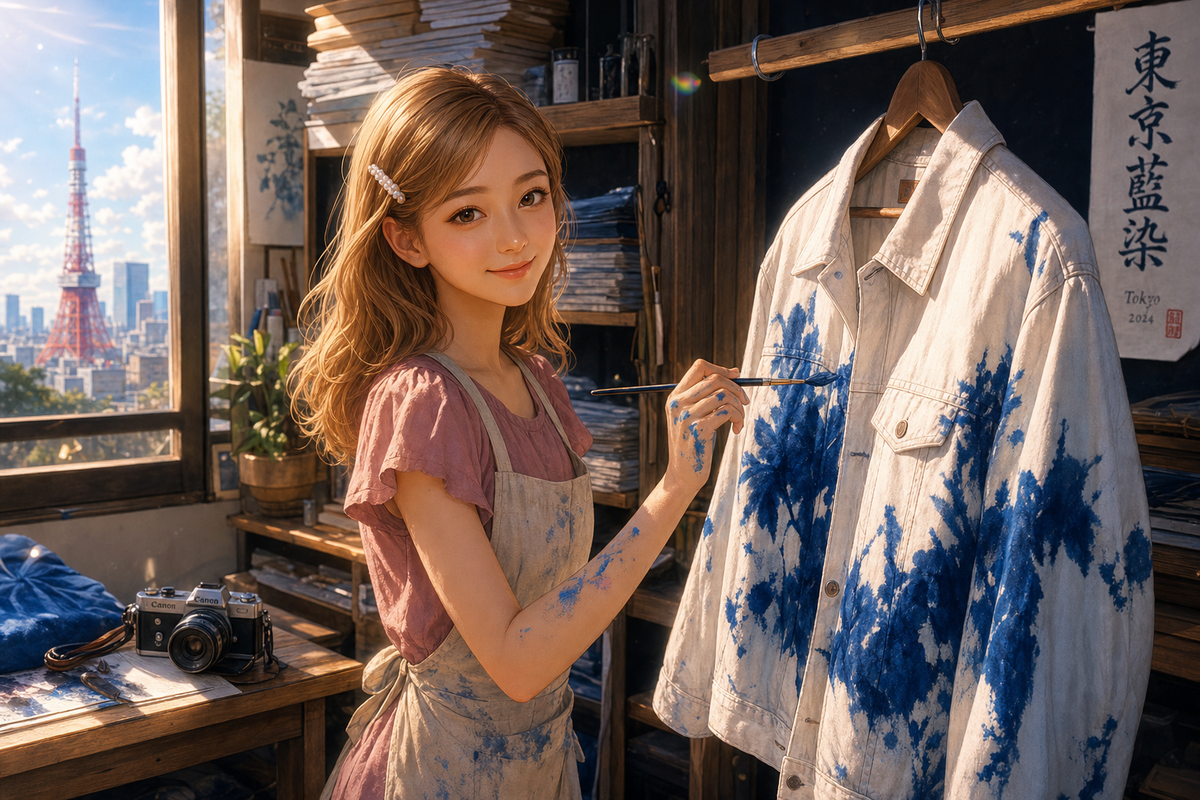
TOLIGHT在疫情期間誕生,做的事情說穿了非常簡單:把舊衣服拿來手繪,升級改造,然後賣出去。每一件都不一樣。線條走向、顏料落點、甚至一個不小心的暈染——這些在工廠品管裡叫做「瑕疵」的東西,在TOLIGHT身上叫做「簽名」。
手繪服飾是升級改造的一種形式:廢棄或閒置的材料,透過手工介入,獲得比原版更高的物質與精神價值。問題是,這件事沒有辦法規模化。多請十個人畫,每個人的手感就是不同,品牌反而散掉。TOLIGHT的稀缺性來自製程本身的物理限制——這才是真正難以複製的護城河。
在量產服飾早已把「獨特」這個詞掏空的當下,一件手繪改造服飾的說服力來自它的不可能被大量複製,不來自任何故事包裝。穿在身上的人不需要解釋,因為衣服本身就在解釋。
紙張辦了一場50年的反駁
竹尾紙業主辦的TAKEO PAPER SHOW已走到第50屆,今年以「祝與禮」為主題,由原研哉擔任策展,探索紙張在節慶與儀式中的位置。
選這個時間點做紙張的展覽,有一種沉默的辯證在裡面。數位化浪潮把「紙」的討論推向邊緣已經好幾十年,但竹尾沒有轉型做環保科技、沒有跨界做數位媒材,就是繼續研究紙。50屆,是一種以時間堆疊的論點。
原研哉的策展角度選了「祝與禮」,切的是紙張最不容易被取代的場景:婚禮請柬、年節包裝、祭典摺紙。這些場合裡,質感是儀式的必要條件,不是可有可無的附加。螢幕訊息的即時性在這裡反而是缺點——太快、太輕、太沒有重量。這些情境裡,紙張的競爭對手是虛無。
「非球鞋的選擇」是一個市場定位,也是一句批評
6,000 Units, One Painted Shirt, 50 Years of Paper
RICOH GR IV, special edition: 6,000 units worldwide. Not 60,000. Not six million. Six thousand.
The number carries no marketing gloss — it is the product description. Those who get one know exactly what they have. Those who don’t know exactly what they missed. Thirty years into the GR line, this limited edition ships without flashy new specs. Scarcity is the spec.
The “Flaw” Is the Moat
TOLIGHT was born during the pandemic. The premise is simple: take used garments, hand-paint them, sell them. Each piece comes out different. The direction of a brushstroke, where paint pools, an accidental bleed — what a factory QC report calls a defect, TOLIGHT calls a signature.
Hand-painted upcycled clothing cannot scale. Hire ten more painters and the brand diffuses. TOLIGHT’s scarcity isn’t a strategic choice layered on top of the product — it’s baked into the physics of the process. That’s the kind of moat competitors can’t simply budget their way around.
Mass fashion has long emptied the word “unique” of content. A hand-painted reworked garment makes its argument through physical impossibility of replication, not through brand storytelling. The person wearing it doesn’t need to explain anything. The garment explains itself.
Fifty Years of Paper, Quietly Rebutting the Obvious
TAKEO PAPER SHOW reaches its 50th edition this year. The theme is “Celebration and Gift,” with Kenya Hara as curator, exploring paper’s role in festivity and ritual.
Choosing this moment to mount a paper exhibition carries its own silent argument. Decades of digitization have pushed paper to the margins of conversation, yet Takeo Paper didn’t pivot to eco-tech or digital media — it kept researching paper. Fifty editions is itself a statement, one built from time rather than words.
Hara’s curatorial lens lands on the scenes where paper is hardest to replace: wedding invitations, gift wrapping for the New Year, ceremonial folding. In these contexts, tactile weight is the ritual’s minimum requirement. A screen notification’s instant delivery is the liability here, not the advantage. Too fast, too weightless, too frictionless. Paper’s competitor in these moments isn’t the PDF. It’s nothing at all.
When “Not a Sneaker” Is the Entire Brand Strategy
A long-established Tokyo shoemaker has converted to a direct-to-consumer model under the name nu;et, built around a single positioning: “the non-sneaker choice.” It’s a brand platform constructed entirely by subtraction — defining the product by what it refuses to be.
This works precisely because the sneaker market has spent years equating footwear with hype, drops, and resale value. nu;et steps into the negative space. The customer it’s speaking to has already grown tired of the chase. “Non-sneaker” isn’t a consolation prize framing; it’s a relief.
The same logic threads through all four of these cases. TOLIGHT, TAKEO PAPER SHOW, GR IV, nu;et — none of them are arguing against efficiency in the abstract. They’re making objects that encode inefficiency as a feature: hand-painted irregularity, the weight of a folded card stock, the friction of a limited production run. Each one bets that a slice of the market is exhausted by the promise that everything can be faster, cheaper, and more.
The 6,000-unit ceiling on GR IV isn’t a supply constraint Ricoh is apologizing for. It’s the product.
— 蘇怡婷
延伸閱讀
https://justfly.idv.tw/s/mEq19wJ