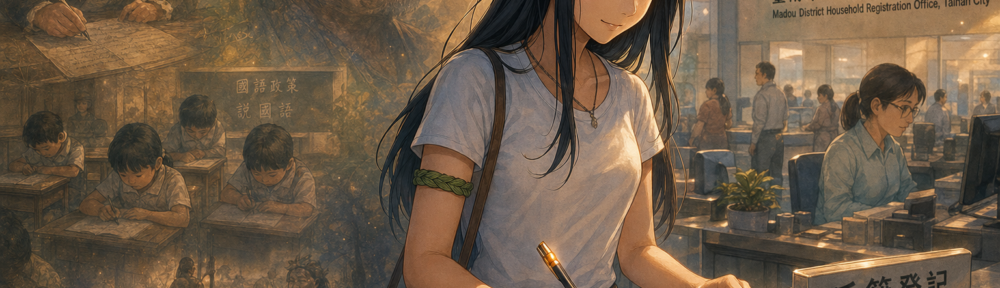
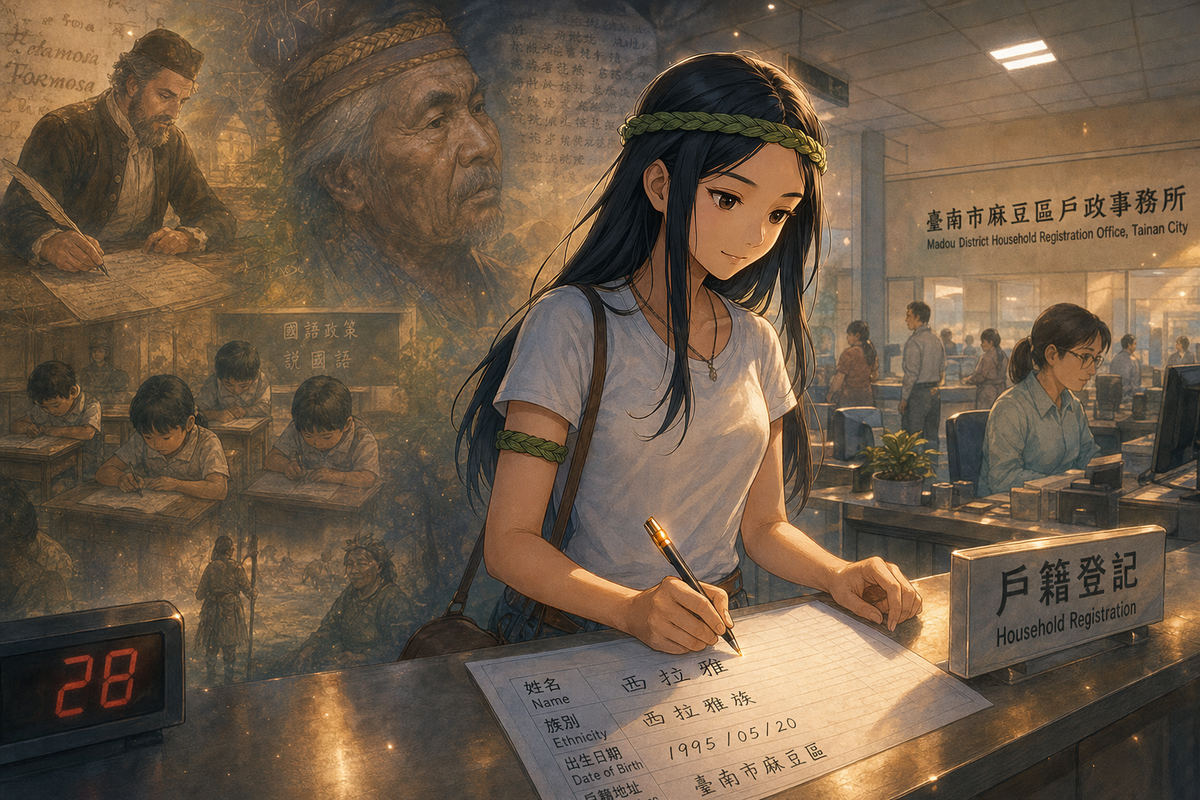
2026年7月30日,行政院長卓榮泰核定西拉雅族為台灣第17個原住民族。這是台灣史上第一個獲得官方承認的平埔族群。距離1993年部落文化復振的第一波聲音,已逾三十年。
三十三年不是比喻。兩代人出生、長大、老去,戶籍欄位上那格身份始終空白。
殖民者的語言,成了復活的鑰匙
西拉雅語在19世紀末已近乎滅絕。日本殖民時期(1895–1945)強制推行日語,國民政府接手後(1945–1987)再以「國語獨尊」政策壓制一切本土語言——西拉雅語夾在兩道政策之間,幾乎沒有喘息的縫隙。
諷刺的是,救回這個語言的,是17世紀荷蘭東印度公司傳教士留下的文獻。研究者Christopher Joby在學術文章中記錄了這段復振路徑:2019年發現的西拉雅-荷蘭文版《約翰福音》,成為重建語音與詞彙的關鍵材料。語言學家Alexander Adelaar重構了完整的語音、語法與詞彙系統。殖民者留下的痕跡,反過來成為被殖民者找回自己的工具。
這個反轉太安靜,幾乎沒有聲張。
法律走了多遠
2022年,台灣憲法法院裁定確認平埔原住民族應獲國家正式認定。2025年10月,立法院通過《平埔原住民族群身分法》,九個平埔族群含西拉雅取得申請正式承認的法律依據。2026年7月30日,核定落地。
法律走完了這段路。語言還在路上。
目前西拉雅語已進入約12所中小學課程,這是可查的數字。但台灣26種已知原住民語言中,至少10種已滅絕、5種瀕危,其餘多數被UNESCO列為「嚴重瀕危」。西拉雅語的課堂復振是真實的,但課室外,街頭上,日常對話裡,這個語言幾乎仍然沈默。
逾萬名族人——這是台南市熟籍制度下既有的數字,全台首年預計可達五萬名登記族人。這些人手上握著的,不只是申請身份的文件,而是祖父輩那個年代,說錯語言會被罰站、被打手心的記憶。
正名之後,還剩什麼問題沒解決
西拉雅成為第17族,另外還有8個平埔族群仍在等待。《平埔原住民族群身分法》的通過給了路徑,但路徑不是終點。身份的承認和文化的復活,是兩件不能互相替代的事。
2017年《原住民族語言發展法》、2019年《國家語言發展法》相繼通過,將原住民語言列為國家語言。這些法律是真實的進展,也是框架的上限——法律能保障語言存在的權利,無法保障語言被說出口的頻率。
Edgar Macapili的西拉雅語著作、Christopher Joby與Brill出版社的學術合作,把這個語言從文獻裡拉回現代教材。這是學術層面能做到的最大限度。接下來的工作,是讓語言從課本走進日常——而這件事,從來不是靠立法或論文完成的。
那格空白的重量
身份證的欄位很小。填上「西拉雅族」四個字,不需要一秒鐘。
但在那格空白裡,壓著的是:日本殖民的語言政策、國民政府的「國語獨尊」、戒嚴四十年的文化斷層、還有一個族群為了在自己土地上被正確稱呼,花了三十年走的路。
今天,西拉雅族填上了。8個族群還在等。等待的不是憐憫,而是一個法律欄位,讓族群寫下自己本來的名字。
— 澪風
Thirty Years of Blank Space, Finally Filled
On July 30, 2026, Premier Cho Jung-tai officially recognized the Siraya as Taiwan’s 17th indigenous people — the first Pingpu (Plains Indigenous) group ever to receive formal state recognition. Thirty-three years after the first wave of tribal cultural revival in 1993, the household registration form finally has something to write in that blank field.
Thirty-three years is not a metaphor. Two generations born, grown, and aged under an empty column.
The Colonizer’s Documents, Repurposed
The Siraya language had nearly ceased to exist by the late 19th century. Japanese colonial rule (1895–1945) mandated Japanese. The KMT government (1945–1987) imposed Mandarin as the sole legitimate tongue. Siraya had no room between the two policies.
What brought it back was the paperwork of 17th-century Dutch East India Company missionaries. Scholar Christopher Joby documented the revival path: a Siraya-Dutch edition of the Gospel of John, discovered in 2019, became a cornerstone for reconstructing phonology and vocabulary. Linguist Alexander Adelaar rebuilt the language’s sound system, grammar, and word list from colonial-era texts. The colonizer’s archive became the tool for reclaiming what colonization erased. That reversal has gone largely unremarked.
What the Law Actually Did
In 2022, Taiwan’s Constitutional Court affirmed that Pingpu peoples deserve formal state recognition. In October 2025, the Legislative Yuan passed the Plains Indigenous Peoples Identity Act, giving nine Pingpu groups — including the Siraya — a legal basis to apply for recognition. July 30, 2026 was when the administrative act landed.
The law completed its journey. The language is still mid-route.
Siraya is now taught in roughly 12 elementary and secondary schools. That number is real. But of Taiwan’s 26 known indigenous languages, at least 10 are already extinct, 5 are endangered, and most of the remainder are classified by UNESCO as “severely endangered.” Classroom revival is genuine; street-level daily use is another matter entirely.
Over 10,000 Siraya people had already completed registration under Tainan City’s predecessor county-level recognition system, with an estimated 50,000 first-year registrations expected nationally under the new law. What that registration contains is not just an application form — it is the memory of grandparents punished for speaking the wrong language, of names pronounced incorrectly at every official counter, of a category that the state simply refused to print.
Eight Groups Still Waiting
The Siraya are now the 17th recognized group. Eight other Pingpu peoples are still in line. The Plains Indigenous Peoples Identity Act created a pathway, not a destination. Recognition of identity and revival of culture are two distinct things — one does not substitute for the other.
Taiwan’s Indigenous Languages Development Act (2017) and the National Languages Development Act (2019) established indigenous languages as national languages. These are genuine legislative advances and also the ceiling of what legislation can do: law protects the right for a language to exist; it cannot mandate how often it is spoken.
Edgar Macapili’s written works on Siraya, and Christopher Joby’s collaboration with Brill academic press, pulled the language from archival dust into modern teaching materials. That is the outer limit of what scholarship can accomplish. Getting Siraya from the textbook into daily conversation — that has never been done by statute or journal article.
The Weight of a Blank Field
Writing four characters on a household registration form takes less than a second. Inside that previously blank field sat: Japanese language policy, KMT Mandarin supremacy, four decades of martial law cultural rupture, and a thirty-year legal campaign simply to be called by one’s own name on official paper.
The Siraya field is filled. Eight groups are still waiting — not for sympathy, but for a column that lets names be written down as always spoken at home.
— 澪風
延伸閱讀
- 聯準會三票異見,美元下行訊號比表決更值得看
- 台北飲食密度的秘密,藏在那杯300元的法式巧克力裡
- 東川町人口逆增30年,台灣取的不是經濟帳
- 米其林懂台南嗎?61顆星背後的文化摩擦
- GDP 10%的那一週,台灣被美國放上監視清單
https://justfly.idv.tw/s/tTAFCng