7月22日,吉伊卡哇(Chiikawa)電影《人魚島的秘密》在台上映,當時7-ELEVEN同步推出主題杯與預購聯名周邊。同一個檔期,MOTHER3遊戲20週年與G-SHOCK推出限定紀念腕錶。兩件事看似平行,邏輯卻完全一樣。
驅動購買的不是新奇,是熟悉。
記憶才是稀缺的
茶的世界有一個現實:新茶搶的是鮮味,老茶稀的是時間。一罐1990年代的易武古樹普洱,賣的是幾十年累積的不可複製性。日本IP的運作邏輯和這個道理驚人地接近。
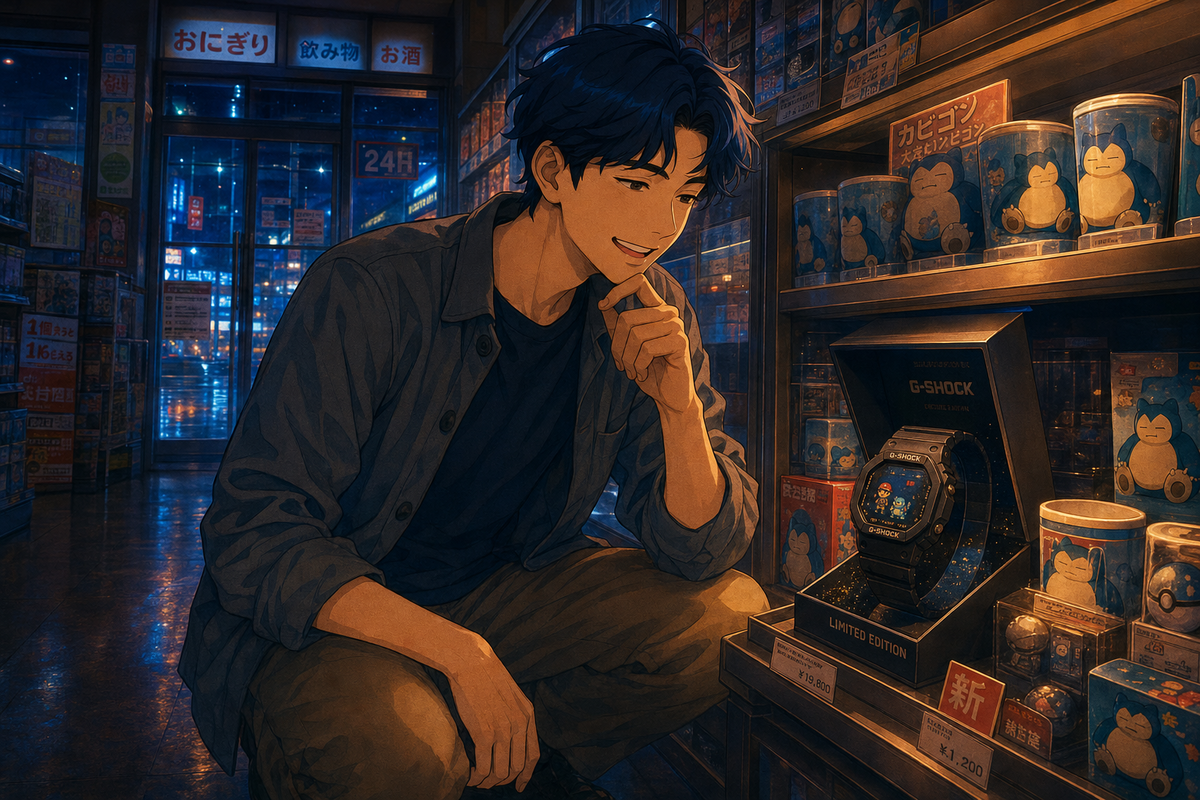
MOTHER3是任天堂旗下的RPG遊戲,首發於2006年,從未在日本以外的地區推出官方語言版本。二十年後,在卡西歐G-SHOCK的錶面上復活,限定版腕錶附帶遊戲中的角色設計與紀念包裝。一支錶的受眾,是當年十幾歲、今天三四十歲的玩家。那個群體從不會縮小,只會因為可支配所得上升而消費力更強。
稀缺性的製造方式有兩種:限量生產,或者讓時間幫忙做門檻。後者更省力,也更難被複製。
吉伊卡哇走的路徑不同,但終點一樣
Chiikawa的崛起速度快得多。從日本社群平台爆紅,到跨國實體授權,時間壓縮到幾年之內。電影是鞏固這層情感連接的工具——螢幕上的角色進入院線,就從「可愛的網路圖」變成「有去電影院看過」的個人記憶錨點。
7-ELEVEN在台灣的聯名造勢,切入的是日常生活的頻率。超商是每天可能進出不只一次的空間,主題杯放在收銀台旁邊,不需要消費者主動搜尋。這種滲法有自己的算術:輕量接觸,低門檻,讓情感在不知不覺間堆疊。
但Chiikawa這個案例更值得盯住的,是如何用電影這個格式「升級」既有粉絲的情感投入。從網路追蹤到買周邊,再到進電影院,每一步都是更高強度的參與。IP運營很少能把這個階梯走得這麼平滑。
懷舊溢價是真實的定價策略
市場上習慣把懷舊情緒當作行銷語言,但實際上是一個行為經濟學命題。當消費者對一個符號有情感記憶,對價格的敏感度會下降。MOTHER3的錶不會因為錶本身的功能被購買;G-SHOCK的品牌說服力在這裡反而是配角,主角是那個二十年前玩過這款遊戲、沒有機會等到官方英文版的玩家群體。
這種定價邏輯讓IP持有方手上的舊資產變成了沒有折舊的帳面。新IP需要燒預算建立認知;老IP只需要等待時機和一個有執行力的合作方。
台灣消費者對日本IP的共鳴密度相對高,這跟長期的媒體接觸、語境接近、以及租界式的文化熟悉度有關,不是單一因素。這讓台灣市場在日本IP的海外版圖上,時常出現在優先的測試名單之列——但原因是市場條件的組合,不是什麼特殊的情感天賦。
下一個問題
Chiikawa電影7月31日在台上映,G-SHOCK限定錶的流通量有限。這兩件事的共同後果是:都會在二手市場上產生溢價。而那個溢價本身,才是IP情感強度最誠實的量尺。
值得追的問題不是「懷舊行銷有沒有用」,那個答案已經很明顯。值得追的是:當這一代三四十歲的消費者成為主力客群,有多少品牌已經提前把二十年前種下的符號換算成了現在的庫存規劃?
— 曾柏宇
Why Japan’s Oldest IPs Sell the Hardest
On July 31, the Chiikawa film The Secret of Mermaid Island opens in Taiwan; 7-ELEVEN began rolling out co-branded cups and pre-order merchandise on July 22, ahead of the premiere. In the same window, a MOTHER3 20th-anniversary limited G-SHOCK watch enters the market. Two separate campaigns, one identical logic.
Neither sells novelty. Both sell recognition.
Time Is the Real Scarce Resource
MOTHER3 is a Nintendo RPG that launched in 2006 and never received an official localization outside Japan. Twenty years later, it surfaces on a G-SHOCK watch face, accompanied by character designs and anniversary packaging. The buyer is not someone discovering the game today — the target is the person who was a teenager in 2006 and now has disposable income. That demographic does not shrink. It compounds.
There are two ways to manufacture scarcity: limit supply, or let time build the barrier. The second method requires almost no ongoing investment, and is nearly impossible to replicate.
The nostalgia premium — the price markup that nostalgia can sustain — is a genuine behavioral economics phenomenon. When a consumer has an emotional memory tied to a symbol, price sensitivity drops. The G-SHOCK watch is not being purchased for its timekeeping features. G-SHOCK’s brand equity is almost a footnote here; the real product being sold is two decades of accumulated feeling.
Chiikawa Takes a Different Route to the Same Place
Chiikawa moved faster. From viral success on Japanese social platforms to cross-border licensing happened within a few years rather than decades. The film is the mechanism for converting that momentum into something more durable: a cinema visit anchors the character into personal memory in a way that scrolling past a cute image does not.
The 7-ELEVEN co-branded cups work through frequency. A convenience store is a space many consumers pass through daily, sometimes multiple times. Placing themed merchandise at the register requires no active search — accumulation of emotional exposure happens in small, low-stakes doses. Over time those doses stack.
What makes Chiikawa’s trajectory worth watching is how cleanly the IP has climbed its own engagement ladder: from casual online following, to buying merchandise, to sitting in a theater. Most IP operations struggle to make that escalation feel natural. This one has so far avoided forcing it.
What This Means for Brand Strategy
The conventional assumption is that nostalgia marketing is a soft, emotional lever — useful for warmth, weak for revenue. The MOTHER3 × G-SHOCK pairing is evidence against that assumption. Nostalgia, properly timed, produces collectors’ behavior: urgency, social signaling, and tolerance for high prices.
Taiwan appears regularly as an early deployment market for Japanese IP campaigns. The reasons are structural — long media contact, cultural familiarity, market maturity — and those factors stack rather than reduce to any single cause. The shared result is that both of this week’s campaigns are reaching audiences already primed to spend on recognition rather than discovery.
The Honest Measure
The clearest signal of how much emotional weight an IP actually carries is not first-day sales — the secondary market price a week later tells the story. If the Chiikawa merchandise and the MOTHER3 G-SHOCK are trading above retail on resale platforms within days, that number reveals something no focus group can.
The more pressing question for brand strategists is not whether nostalgia works. It does. The question is how many brands are already sitting on two-decade-old symbols not yet converted into inventory plans — and how long before someone else does it for them.
— 曾柏宇
延伸閱讀
https://justfly.idv.tw/s/TseTBo9