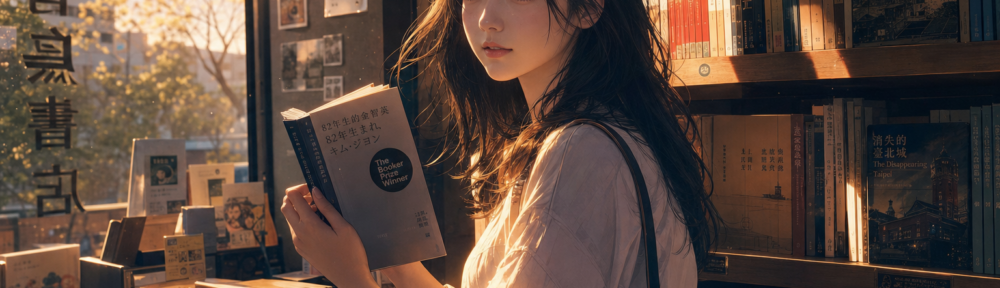

那本書就擺在架上,書脊是日文漢字混排的設計,底下用細字標著「International Booker Prize Winner」。我在書店裡盯著它看了一會兒,手機螢幕同時跳出另一則通知:無國界記者剛公布2026年亞洲新聞自由排名,台灣第一。
同一週。兩個第一。
我知道有人會說這是巧合。《外交家》在2026年6月的分析說得更直接:不是。
這本書從哪裡來
楊双子的《台灣漫遊錄》(Taiwan Travelogue,林王姬英譯)拿下2026年國際布克獎,故事背景設在1938年日治時期台灣,寫兩名女性之間的愛情,以及在日語與漢語之間協商身份的困境。印度媒體《The Hindu》稱其為「啟示性閱讀」,說它「論證難以言說的感受也值得被記錄」。這句評語本身就有意思——一個殖民地的語言困境,在八十年後的英譯版裡,被印度讀者讀懂了。
台灣文學走到這一步花了很長時間。吳明益以生態書寫打入國際視野,成為台灣第一位入圍國際布克獎長名單的作家,那是走在前面的那一代。《台灣漫遊錄》的獲獎是這條路的延伸,不是突然發生的事。
從報禁到亞洲第一:一條時間軸
1951年,台灣實施報禁,一直到1988年才解除。三十七年間,能出版的報紙寥寥無幾,版面由黨政機器管控。1962年起,台視、中視、華視先後成立,三台壟斷電視頻道,直到1993年有線電視法通過,這道牆才真正崩塌——數十家新媒體在短期內湧現,那種速度,放在今天看仍然驚人。
無國界記者(RSF)2024年全球新聞自由指數,台灣排名第35,是近年最高紀錄。到了2026年,台灣躍升為亞洲第一。從黨國三台到亞洲自由度最高,不到四十年。
這段歷史並不只是自我感覺良好的民主成功敘事。它說明了一件事:台灣現在輸出給世界的東西——不管是一本關於日治時期的小說,還是一個新聞自由排名——都不是憑空出現的。它們有地基。
當政治通道全部關閉
台灣在正式外交場合的處境,對台灣人來說不陌生:邦交國屈指可數,聯合國席位失去數十年,很多國際組織的入場券根本拿不到。
《外交家》2026年6月的分析框架把這個處境說得很清楚:台灣有意識地把文化獎項、學術認可等「軟性成就」轉化為繞過外交封鎖的話語工具。一本小說進入布克獎短名單,等於進入英語世界的主流文化視野;一個新聞自由排名第一,等於在「民主台灣」的論述上釘了一根錨。
這不是文化政策的副產品。這是在政治通道關閉之後,還開著的那扇門。
我不覺得這種策略有什麼好批評的。當你被系統性排除在外,你就在系統允許的縫隙裡建立存在感。文學獎不需要邦交,新聞自由排名不需要聯合國席位。台灣找到了一種語言,可以在不被承認的情況下讓人注意到它。
書架上的那本書
我買了《Taiwan Travelogue》的英文版,不是因為我不懂中文,而是因為我想知道林王姬把那些日語與漢語夾雜的身份困境翻成英文是什麼感覺。翻了幾頁,那種語言的張力確實還在。
同一週,無國界記者公布亞洲新聞自由排名。台灣第一。書店的廣播放著什麼我沒在聽。
台灣在外交桌上沒有椅子。但那本書在獲獎書架上,排名在榜首上,而且都是這個星期。
— 張書安
No Seat at the Table, First Place Everywhere Else
The book was just sitting on the shelf — Japanese and Chinese characters mixed on the spine, “International Booker Prize Winner” printed underneath in small type. I was still staring at it when my phone buzzed: Reporters Without Borders had just released their 2026 Asia press freedom rankings. Taiwan, first place.
Same week. Two number ones.
Some people will call that a coincidence. The Diplomat‘s June 2026 analysis called it something else entirely.
Where This Book Came From
Yang Shuang-zi’s Taiwan Travelogue (translated by Lin King) won the 2026 International Booker Prize. Set in Japanese-colonial Taiwan in 1938, the novel follows two women in love, navigating identity between Japanese and Chinese — which language you speak, which self you inhabit. India’s The Hindu called it “revelatory reading,” writing that it “argues that even ineffable feelings deserve to be recorded.” There’s something striking about that: a colonial-era language crisis, translated into English, understood by a reader in Chennai eighty years later.
Taiwanese literature didn’t arrive at this moment overnight. Wu Ming-yi became the first Taiwanese writer longlisted for the International Booker Prize by writing ecological fiction that moved international readers. Taiwan Travelogue‘s win follows that path — it is a result, not a surprise.
From Press Ban to Asia’s Freest Press
Taiwan imposed a press ban in 1951. It lasted until 1988. For thirty-seven years, publishable newspapers were few, and broadcast television was controlled by three party-aligned stations — TTV (1962), CTV (1969), CTS (1971) — in a monopoly that didn’t crack until the Cable Television Law passed in 1993. After that, dozens of new media outlets appeared within a short period. The speed was staggering even by today’s standards.
In Reporters Without Borders‘ 2024 World Press Freedom Index, Taiwan ranked 35th globally — its highest in recent years. By 2026, it had become the freest press environment in Asia. From three party-state channels to the top of the Asian rankings: less than forty years.
This history isn’t just a feel-good democratic success story. It explains what Taiwan is actually exporting right now — a novel about colonial identity, a press freedom ranking — and why those exports have weight. They have foundations.
When the Political Doors Close
Taiwan’s formal diplomatic situation is well known: a shrinking number of official allies, no UN seat for decades, locked out of most international organizations before the conversation even starts.
The Diplomat‘s June 2026 analysis was direct about what this means strategically: Taiwan has consciously converted cultural achievements — literary prizes, academic recognition, press freedom rankings — into tools for bypassing diplomatic blockades. A novel on the Booker shortlist enters the mainstream English-language cultural conversation without needing a state-to-state relationship. A press freedom ranking anchors the “democratic Taiwan” narrative without requiring a UN seat.
This isn’t a side effect of cultural policy. It is the policy — the door that stays open when every political door has been shut.
There’s nothing cynical about this. When a country is systematically excluded from formal channels, it builds presence through the gaps those channels leave open. Literary prizes don’t require diplomatic recognition. Press freedom rankings don’t require UN membership. Taiwan found a language that lets it be noticed without being officially acknowledged.
Back to the Shelf
I bought the English edition of Taiwan Travelogue, not because I can’t read Chinese, but because I wanted to feel what Lin King did with those layered identities — the Japanese phrases that carry one self, the Chinese that carries another. A few pages in, the tension was still there.
Same week: Asia’s freest press. First place on the Booker shelf. No seat at any diplomatic table.
The question isn’t whether this is soft power strategy. It clearly is. The question is what happens next — whether a prize and a ranking translate into something more durable, or whether Taiwan’s cultural presence remains perpetually brilliant and perpetually unofficial.
— 張書安
延伸閱讀
https://justfly.idv.tw/s/PQFJedh