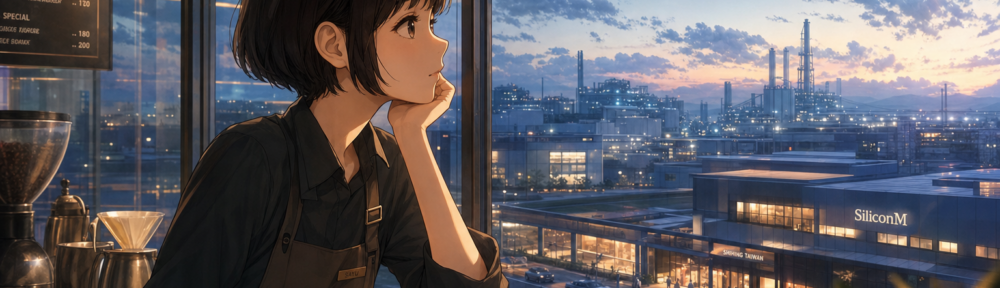

主計總處在2026年8月16日公布的數字,把三十年來的台灣財富地圖翻了一面:新竹市平均家戶可支配所得NT$160.4萬,新竹縣NT$156.9萬,台北市NT$155.4萬。前兩名都在新竹,台北第三。
NT$160.4萬對NT$155.4萬,相差5萬,換算成每月差了四千多塊——夠在新竹喝很多杯精品咖啡,或者在台北只夠繳一週停車費。
科學城的錢從哪裡來
新竹科學工業園區成立於1980年代,最初的定位是引進高科技產業、複製矽谷模式。四十年過去,新竹科學工業園區從政策實驗長成全球半導體供應鏈的神經節。AI熱潮讓這條供應鏈的每一個環節都漲了價,而新竹剛好坐在最貴的那個位置。
台灣2025年GDP成長率同週被上修至11.05%,是39年來最高。這個數字背後的主要引擎,就是AI相關半導體的出口爆量。財富在生產端累積,生產端在新竹。所得地圖跟著移動,幾乎是物理定律。
「台北優先」敘事正在裂解
過去的台灣財富地理有一個不成文的預設:台北是首都、是金融中心、是媒體與文化的重力場,所以台北的錢最多、機會最密、薪水最高。外縣市的工程師北漂,外縣市的孩子考上台大,外縣市的品牌在台北開旗艦店才算出頭。
新竹顛覆的不只是排行榜。新竹縣市的合計人口不到一百萬,但創造出的可支配所得密度,已經超過擁有兩百多萬人口的台北市。這種不對稱,在非首都城市崛起的案例中相當少見——通常需要石油(杜拜)、金融特區(盧森堡)或賭場(澳門)。新竹靠的是晶圓廠。
過去十年,新竹市區房價翻了不止一倍,竹北更是全台漲幅數一數二的地方。餐廳、咖啡館、私立學校跟著消費力擠進來。城市的質感從科技宿舍區往生活城市的方向走,雖然走得還算緩慢。
數字之外還有幾件事沒說完
可支配所得是家戶平均值,不是中位數。新竹的高所得高度集中在半導體從業人員與工程師族群,排行榜上看起來漂亮,但城市內部的所得分布比平均值更能說明真實生活感受。園區廠商的外包勞工、服務業員工、外籍移工,都生活在同一個新竹,但未必享受到同一個新竹。
另一個沒被充分討論的問題:AI半導體財富高度依賴少數幾條產品線的全球需求。這一輪的數字好看,但供應鏈的邏輯是集中、快速、週期性的——果實甜,風也大。
NT$160.4萬,NT$156.9萬,NT$155.4萬。台北現在站在全國所得排行的第三位。這個數字會繼續變還是這裡就是新的均衡點,答案要等下一次主計總處更新。
— 陳映彤
Hsinchu Just Out-Earned Taipei
On August 16, 2026, Taiwan’s Directorate-General of Budget, Accounting and Statistics published household disposable income figures that rearranged a thirty-year mental map: Hsinchu City at NT$1.604 million per household, Hsinchu County at NT$1.569 million, and Taipei at NT$1.554 million. The capital ranked third.
A NT$50,000 gap between first and third place. Not a rounding error — compounding into a meaningful monthly difference. And came from Hsinchu Science Park and the AI semiconductor boom sitting on top of it, not from real estate or finance.
Where the Money Accumulates
Taiwan’s GDP growth for 2025 was revised upward the same week to 11.05% — the highest in 39 years. The engine behind that number is AI-related semiconductor exports, and the production of those chips concentrates in Hsinchu. Wealth follows production. The income map moved accordingly.
Hsinchu City and County together hold fewer than one million residents. Taipei holds more than twice that. Yet the smaller city now posts higher average household income. That asymmetry is unusual in non-capital city rises globally — and Hsinchu achieved it through fabs, not financial deregulation or commodity windfalls.
The “Taipei First” Frame Is Cracking
For decades, Taiwan’s unspoken geography of ambition ran through Taipei. Engineers moved north. Brands opened flagship stores there to matter. Media, capital, and cultural gravity all pointed the same direction. Hsinchu was where work happened; Taipei was where arrival meant something.
That narrative has been under pressure for years — Hsinchu real estate prices climbed sharply over the past decade, especially in Zhubei — but the income data now makes the reversal legible in a single line. Hsinchu outearned Taipei by 3.2%, according to the published figures. The city’s restaurant, café, and private school scenes followed disposable income north long before the statistics caught up.
What the Average Obscures
Household disposable income averages, not medians. Hsinchu’s high figures are heavily weighted toward semiconductor engineers and tech professionals. Contract workers, service staff, and foreign laborers live in the same Hsinchu — present in the denominator but not fully in the numerator. The headline number is real. The lived distribution is more jagged than looks suggest.
Also the concentration risk. AI semiconductor demand is intense, global, and narrows onto a few product lines. Supply chain logic runs in cycles. The 2025 figures are a snapshot of a particularly favorable one.
NT$1.604 million. NT$1.569 million. NT$1.554 million. Taipei is now third. The next update from the statistics bureau will say whether this is a new baseline or a cycle peak.
— 陳映彤
延伸閱讀
https://justfly.idv.tw/s/ySQYUsr