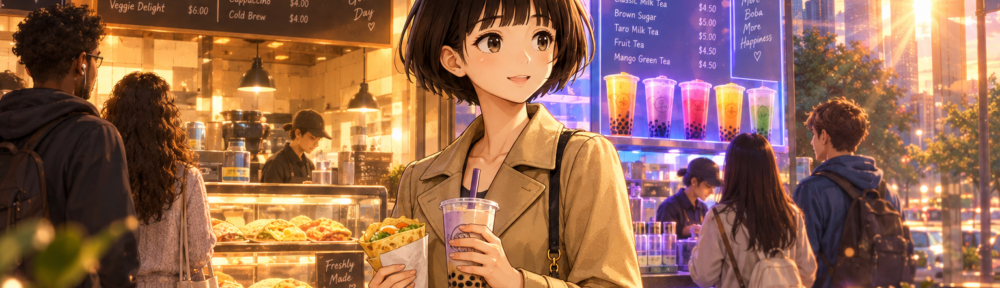
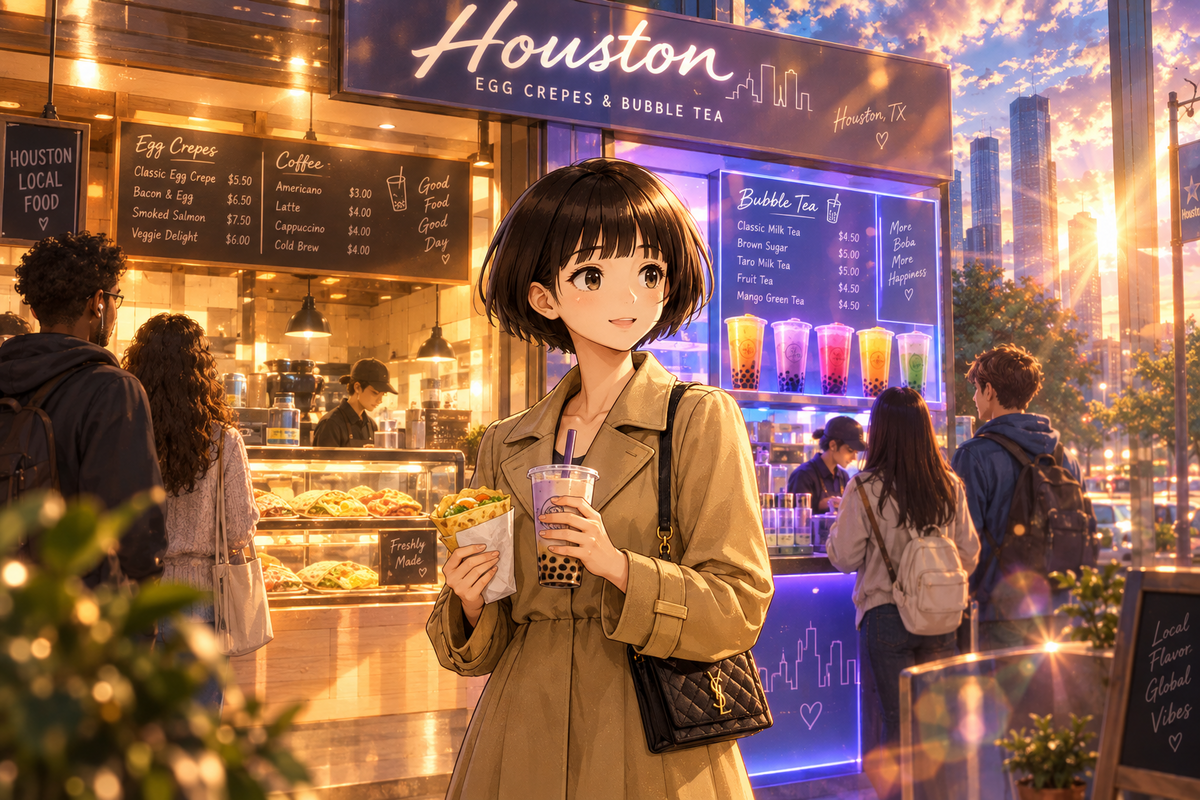
早上七點賣蛋餅跟美式咖啡,下午三點同一張櫃檯換成珍珠奶茶跟波霸——這不是台灣街角常見的「一店多用」土法煉鋼,而是德州休士頓一間新店的正式設計。六角國際把旗下的Chatime茶飲跟Sunny up春上早午餐,塞進同一個空間,同一批店員,同一套租金,開出海外第一間雙品牌直營店。
這件事聽起來像是連鎖店的排班表小聰明,拉開來看是一盤更大的棋。六角目前在63國有超過1,400家門市,這個數字說明一件事:台灣的手搖飲跟餐飲品牌早就不是「偶爾被國外遊客發現」的小眾驚喜,而是有系統地鋪出去的網路。休士頓這間店不是單一品牌又多開一家分店,是把兩個品牌綁在一起輸出,等於把整套「怎麼經營一天」的邏輯也一起賣到海外。
早餐跟下午茶,其實是同一份租約
單一飲料品牌開店最尷尬的時段是什麼時候?不是尖峰,是離峰。手搖飲店中午前門可羅雀,早午餐店則是過了兩點就沒人上門。六角的解法很直白:早上讓Sunny up春上撐場,賣蛋餅、賣美式漢堡那種早午餐邏輯;下午茶時段換Chatime頂上,賣珍珠奶茶那套。同一個租金,同一組員工排班,兩份客流量疊起來用。這是餐飲業里常講的坪效問題,只是換成雙品牌來解,而不是換裝潢、換菜單。
對正在美國找店面、算租金投報率的台灣創業者來說,這個模式比任何行銷語言都實在——省的不是廣告費,是那段原本要空轉的鐘點。
德州人怎麼看待這杯茶
休士頓不是紐約或洛杉磯那種台灣移民密集、手搖飲早就滲透日常的城市。把Chatime跟Sunny up一起開進德州,等於同時測試兩件事:當地人願不願意排隊買珍珠奶茶,以及願不願意把早午餐的選項從美式漢堡蛋換成台式配方。這比單開一家飲料店的風險高,但如果成立,複製到下一個非典型市場的說服力也更強。六角規劃2026年在美國拓到20家,這個雙品牌模式顯然是拿來當範本用的,不是休士頓的個案實驗。
擴張邏輯換了一顆引擎
過去講台灣飲食輸出海外,敘事通常停在「一杯手搖飲紅到國外」這種單點式勝利。六角這次做的事情不太一樣:把整套生態系一起搬出去,飲料品牌跟餐飲品牌互相借對方的時段、借對方的客群、借對方的坪效模型。這種打法不需要哪個單一品牌變成全球現象級,只要兩個中型品牌加起來的營運效率夠高,就能在租金昂貴的美國城市站穩腳。63個國家、超過1,400家店的规模,已經足以支撐這種細膩的營運實驗,而不只是複製貼上開分店。
市場願不願意接受,牽涉的因素從來不只一個——當地消費力、租金結構、對台式飲食的熟悉程度都在裡面。台灣連鎖餐飲在海外布局名單上,確實越來越常被列進優先順位。
休士頓那間店的招牌現在同時掛著兩個名字,早上七點跟下午三點,賣的是完全不同的東西。
— 陳映彤
One Storefront, Two Brands: Taiwan Food Chains Rewrite the Export Playbook
Seven in the morning, the counter sells egg crepes and coffee. Three in the afternoon, the same counter switches to bubble tea. This isn’t the improvised multitasking of a corner shop — it’s a deliberate design choice at a new store in Houston, Texas.
Liuh Jiah International, the Taiwan-based operator behind Chatime, has paired the tea brand with its breakfast-and-brunch label Sunny up, putting both into a single storefront with one staff roster and one lease. It’s the company’s first overseas dual-brand directly-operated store. The company already runs more than 1,400 outlets across 63 countries, a scale that turns Taiwanese drink and food brands from occasional discoveries into a systematically exported network.
One Lease, Two Rush Hours
The awkward hours for a single-brand drink shop are the ones nobody associates with tea: mid-morning, when a brunch crowd wants eggs and coffee instead. Liuh Jiah’s fix is straightforward — Sunny up runs the morning shift with egg crepes and American-style burger fare, Chatime takes over in the afternoon with bubble tea. Same rent, same staff schedule, two customer flows stacked on top of each other instead of one brand sitting idle half the day. For a Taiwanese entrepreneur pricing out a storefront in the U.S. and running the numbers on rent versus foot traffic, that’s a more concrete pitch than any marketing copy: it’s not ad spend being saved, it’s the dead hours.
Testing Texas, Not Just Taipei’s Usual Markets
Houston isn’t New York or Los Angeles, cities where Taiwanese immigrant density already made bubble tea a familiar sight. Opening Chatime and Sunny up together there tests two things at once: whether local customers will line up for bubble tea, and whether they’ll swap a diner breakfast for a Taiwanese one. That’s a higher bar than opening a single drink shop — but if it holds, the case for replicating it in other non-traditional markets gets stronger. Liuh Jiah is targeting 20 U.S. locations by 2026, and the dual-brand format looks built to be a template, not a one-off Houston experiment.
A Different Engine for Expansion
The old story of Taiwanese food going global usually stopped at a single drink brand catching on abroad. This is a different move: exporting an entire operating system, where a drink brand and a food brand borrow each other’s hours, each other’s customers, each other’s real-estate math. Neither brand needs to become a global phenomenon on its own — the combined operating efficiency just needs to be high enough to survive expensive American rents. A footprint of 1,400-plus stores across 63 countries is what makes this kind of fine-grained operational experiment possible, rather than simple copy-paste expansion.
Whether a market takes to it depends on more than one factor — local spending power, lease structures, familiarity with Taiwanese food all play in. Taiwanese chains keep landing near the top of the list when brands plan overseas footprints.
The sign outside that Houston store now carries two names. At 7 a.m. and at 3 p.m., it’s selling two completely different things.
— 陳映彤
延伸閱讀
https://justfly.idv.tw/s/i1Rvz4g