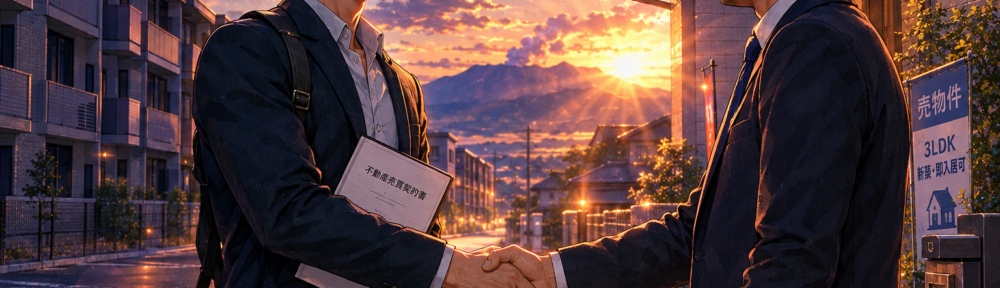
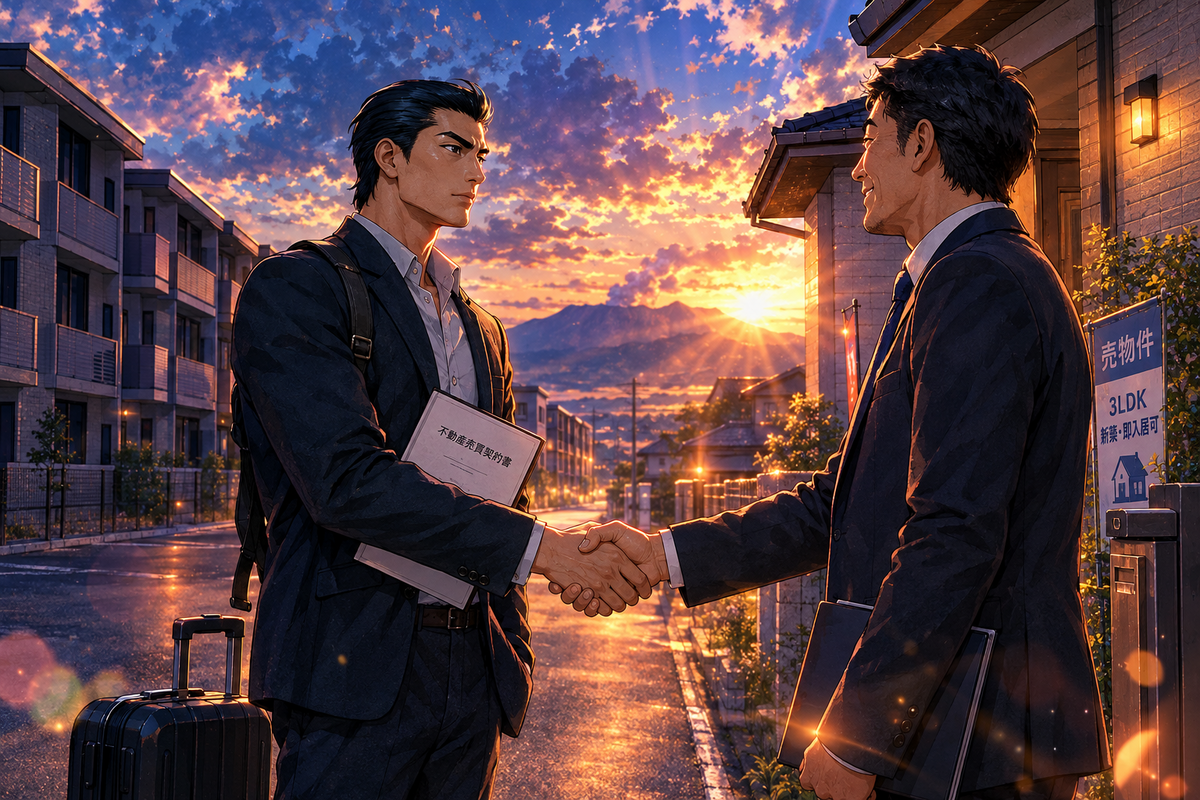
日本建商在熊本縣菊陽町蓋了數千戶3LDK出租公寓,押注的是一個很熟悉的劇本:外派工程師進駐、租屋需求起飛、現金流穩穩進帳。劇本寫完了,租客卻沒照著演。部分區域的空屋率攀升到接近空城的程度。問題不在需求消失,而在需求的人根本沒打算租。
這有點像房東準備了一間套房等租客簽約,結果對方掏出的是頭期款支票。台積電子公司JASM把工程師派去熊本,多數採約四年一輪調,月租行情落在15萬到20萬日圓之間。算盤打下去,四年房租加總不是小數目,熊本地價又相對便宜,加上2034年的鐵道通車題材擺在那裡,「租不如買」成了外派圈子裡心照不宣的共識。
一套房子換過幾任主人
更特別的是後續動作。部分工程師輪調期滿並不急著脫手,而是直接轉賣給接任的同事,或者乾脆把房子留著收租,變成一條內部流通的資產鏈。日本受薪階級的居住邏輯建立在租賃的流動性上,換工作、換城市,租約到期就走人,不背負一棟房子的重量。台灣外派族群帶來的是另一套算法:資產要保值,房子要能傳給下一個人,四年不是終點,是資產週期裡的一段。兩種邏輯撞在同一塊土地上,撞出的結果就是日本建商手裡那批賣不掉也租不滿的3LDK。
在地開發商已經在調整方向,把原本規劃的出租住宅轉成商務飯店、短期出差用的民宿,或是直接改賣透天別墅給想自住的人。供給端追著需求端的真實樣貌跑,而不是追著原本想像的樣貌跑。
旅遊版圖也跟著挪動
住的邏輯在變,旅遊的邏輯也在變。日本政府觀光局的統計顯示,東京、大阪、京都三大都會區在台灣旅客造訪比例上連跌三年,東京從37.3%掉到31%,大阪從29.2%掉到23.7%,京都從21.5%掉到15.4%。同一時間,熊本相關的討論聲量年增46.36%,其中因為JASM進駐帶動的商務類貼文暴增78%。出差順便留下來玩幾天的「商務休閒」客群,是三年前的熊本地方創生報告裡不會出現的詞。
一座工廠進駐,照理說只該帶來工作機會和供應鏈訂單。熊本的案例卻連帶把當地的住宅市場邏輯和旅遊客群結構一起翻了一遍——而且翻的方向,跟日本建商原本的試算表完全不同。這類跨國人才移動牽動的從來不只是薪資和產值,還包括一整套沒寫在合約裡的生活習慣,等對方真的搬進來才會現形。
熊本的鐵道預計2034年通車,屆時那批被工程師買下又轉手幾輪的房子,會落在誰手上,還沒人知道。
— 洪俊傑
Kumamoto Built Empty Apartments. Taiwanese Engineers Bought Houses Instead
Property developers in Kumamoto’s Koyo town built thousands of 3LDK rental apartments, betting on a familiar script: engineers move in, rental demand spikes, cash flow follows. The tenants didn’t play along. Vacancy rates climbed in parts of the area until some blocks looked nearly empty. Demand hadn’t disappeared — it just wasn’t renting.
It’s a bit like a landlord preparing a unit for a tenant, only to have the applicant pull out a down payment instead of a lease. TSMC’s Japan subsidiary JASM rotates most of its engineers on roughly four-year assignments, with monthly rents running 150,000 to 200,000 yen. Run the math over four years, factor in Kumamoto’s relatively low land prices and a planned rail line set to open in 2034, and “buying beats renting” became the quiet consensus among the posted engineers.
One House, Several Owners
What happens next is the more interesting part. Some engineers don’t sell when their rotation ends — they pass the house directly to the colleague taking over, or keep it as a rental asset. Japan’s salaried workforce has long built its housing logic around the flexibility of renting: change jobs, change cities, walk away when the lease expires. Taiwanese engineers brought a different calculation — assets should hold value, and a house should be handed down the chain, not sold off. Four years isn’t an endpoint, it’s one stretch in a longer ownership cycle. Those two logics collided on the same land, leaving developers holding 3LDK units that neither sell nor fully rent.
Local developers are already adjusting, converting planned rental housing into business hotels, short-term lodging for traveling staff, or detached homes for buyers who want to own outright. Supply is chasing what demand actually looks like, not what it was expected to look like.
Tourism Is Shifting Too
The housing pattern isn’t the only thing moving. Japan National Tourism Organization data shows Taiwanese visitor share to Tokyo, Osaka, and Kyoto has fallen for three straight years — Tokyo from 37.3% to 31%, Osaka from 29.2% to 23.7%, Kyoto from 21.5% to 15.4%. Over the same period, online discussion volume about Kumamoto rose 46.36%, with business-related posts tied to JASM’s presence jumping 78%. A “business-plus-leisure” crowd — people extending work trips into stays — wasn’t a category anyone was tracking in Kumamoto three years ago.
A single factory was supposed to bring jobs and supply-chain orders. In Kumamoto it rewired the housing market’s underlying assumptions and reshuffled the tourism map at the same time — in a direction the original rental spreadsheets never anticipated. Cross-border talent movement carries more than salaries and output; it carries habits nobody wrote into the contract, and those only surface once people actually move in.
Kumamoto’s rail line is scheduled to open in 2034. Who ends up owning the houses that have already changed hands two or three times by then is still an open question.
— 洪俊傑
延伸閱讀
- 空白文庫本:讀者替自己寫作者頁
- 嘉義竹蒸籠還在冒煙,日本找不到的手藝就在這裡
- 赤峰街小店搬去承德路,那杯咖啡的味道會留下嗎
- 大洲臥龍山莊以外:一張和紙,把台灣策展人帶進城下町
- 台鐵排骨便當開盒:先炸後滷的那一塊肉
https://justfly.idv.tw/s/VM1MKdW