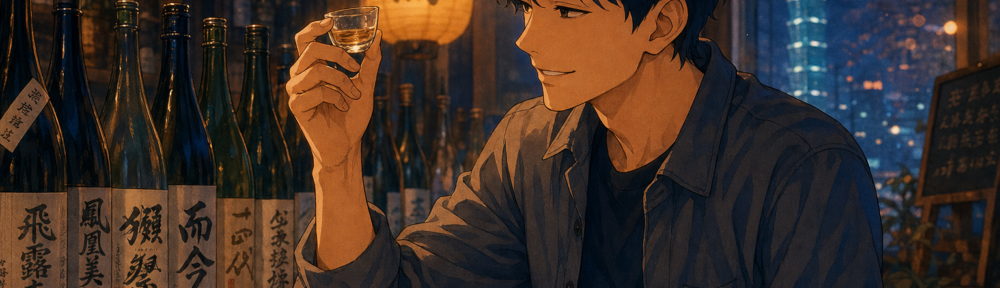

日本一個高端清酒電商平台決定向海外擴張,選了台灣,跳過了香港,也跳過了新加坡。這件事被 Nikkei Asia 即時報導。被報導的原因,是這個選擇本身說明了某件事正在發生位移——台灣市場規模並不是理由。
清酒在台灣被當什麼在喝
清酒在台灣的消費場景,和在其他亞洲市場不太一樣。香港的日本餐廳密度高,但清酒更多是餐桌上的點綴,跟著壽司一起點、跟著帳單一起結。新加坡是另一種邏輯——奢侈品市場的基礎設施完整,但消費動機裡有相當一部分是國際身份象徵。
台灣不是這樣。台灣人喝清酒,有一部分人真的在讀酒標。問的是哪個縣的米、哪一年的酒造、精米步合多少。這種知識密度,靠的是幾十年累積的飲食文化接觸,跟消費力沒什麼關係。
台灣和日本之間的飲食文化連結,早在日本料理成為全球話題之前就已深根。殖民時期的飲食遺緒、後來密集的旅日路線、以及台灣對日本食材原料的高接受度,共同築起一個在亞洲其他市場裡罕見的文化理解厚度。
策展型消費,需要願意被策展的人
這家平台的商業邏輯是「精品策展」——由平台主導品味的詮釋,推薦消費者可能從未聽過的酒藏、說服他們某個偏門的山廢仕込才是今季最值得打開的一支,而不是讓消費者自由選購。
這套邏輯能不能成立,取決於消費者是否具備足夠的背景知識去接受「被教育」的過程,而不是覺得平台在賣弄陌生術語。在一個對日本飲食文化理解較淺的市場,策展就很容易變成說教;消費者跟不上,購買決策就退回到價格或外觀。
台灣消費者的日本飲食知識儲備,讓策展型訂閱服務有了真正起作用的土壤。這是一個功能性的市場條件,不是文化優越。
「試水市場」這個框架要小心讀
把台灣定位為「試水市場」,表面上是讚美,但這個詞也帶著它自己的邏輯:先在台灣測試,之後再擴往更大的市場。台灣被看見,部分原因也是因為它足夠小、風險可控。
Nikkei Asia 的報導角度,讓這件事看起來像台灣的文化地位正在被重新估值。這個方向沒有錯,但完整的圖像應該是:台灣市場在文化理解度、消費成熟度和法規環境上同時達到一個門檻,才讓它在外國品牌的布局名單上往前移了位置。是多重條件的交叉,不是單一原因的勝出。
另一面是這樣的:一旦這類平台在台灣站穩,台灣消費者提供的口味回饋、品項偏好、甚至社群討論,有可能直接影響這些日本酒藏的出口策略。這個方向的影響力,才是台灣真正的籌碼。
清酒瓶背面的那行字
清酒的酒標設計,是日本工藝美學裡相當內斂的一個分支——沒有勃根地酒莊的圖騰,沒有新世界酒款的插畫風格,就是幾行字、一個酒藏名、一列數字。精米步合23%。出羽燦燦。山廢純米大吟釀。
讀得懂那幾行字的人,才是這類精品平台真正想找到的消費者。台灣的市場規模也許不是亞洲最大,但讀得懂那幾行字的人,在台灣的密度確實不低。
這是一個關於文化理解如何在商業選擇裡產生重量的側寫。
— 曾柏宇
Why Japan’s Premium Sake Picked Taiwan First
A high-end Japanese sake platform decided to expand overseas and chose Taiwan — skipping Hong Kong, skipping Singapore. Nikkei Asia covered the move in real time. The story wasn’t about Taiwan’s market size. It was about what the choice itself reveals.
How Taiwan Reads a Sake Label
The consumption context for sake in Taiwan sits apart from other Asian markets. In Hong Kong, sake appears on restaurant tables as accompaniment — ordered with sushi, settled with the bill. In Singapore, the luxury infrastructure is in place, but a significant part of the motivation is international signaling.
Taiwan operates differently. A meaningful portion of Taiwan’s sake drinkers actually read the label. They ask which prefecture the rice came from, which year the brewery was established, what the seimaibuai figure is. That knowledge density wasn’t bought with purchasing power — it was built through decades of layered cultural contact with Japanese food.
The connection predates the global boom in Japanese cuisine. Colonial-era culinary inheritance, dense travel routes to Japan, high receptivity to Japanese ingredients — together these created a depth of cultural understanding that is genuinely uncommon elsewhere in the region.
Curation Only Works If the Audience Can Keep Up
The platform’s business logic is premium curation: not open browsing, but guided taste-making — recommending obscure breweries, arguing that a particular yamahai junmai is the one worth opening this season.
That logic functions only when consumers have enough background to engage with being led rather than feeling talked at. In a market with shallower Japanese food literacy, curation slides into lecturing. Consumers disengage, and purchasing decisions revert to price or packaging.
Taiwan’s accumulated knowledge base around Japanese food and drink gives subscription-curation services a functional foundation. That’s a market condition, not a cultural compliment.
Read “Test Market” Carefully
Positioning Taiwan as a test market sounds flattering on the surface. But the framing carries its own logic: prove the model here, then scale to larger markets. Taiwan gets noticed partly because it is small enough to be low-risk.
The fuller picture is that Taiwan crossed a threshold simultaneously on cultural familiarity, consumer sophistication, and regulatory accessibility — which is why it moved up the priority list for foreign brand entry. Multiple factors converged. No single cause wins the explanation.
The more interesting consequence runs in the other direction: once a platform establishes itself in Taiwan, the taste feedback, product preferences, and community discussion generated by Taiwanese consumers could directly influence export strategy back at the Japanese breweries. That feedback loop is where Taiwan’s actual leverage sits.
The Numbers Down the Side of the Bottle
Sake label design is one of the quieter branches of Japanese craft aesthetics — no Burgundy estate iconography, no illustrated new-world branding. Just a few lines of text, a brewery name, a column of figures. Seimaibuai 23%. Dewa Sansan rice. Yamahai junmai daiginjo.
The consumer these platforms are actually looking for is the one who can parse those lines. Taiwan’s market may not be the largest in Asia, but the density of people who can — and who want to — is real.
This isn’t a story about national pride. It’s a side note on how cultural literacy acquires commercial weight.
— 曾柏宇
延伸閱讀
https://justfly.idv.tw/s/u3ofAJD