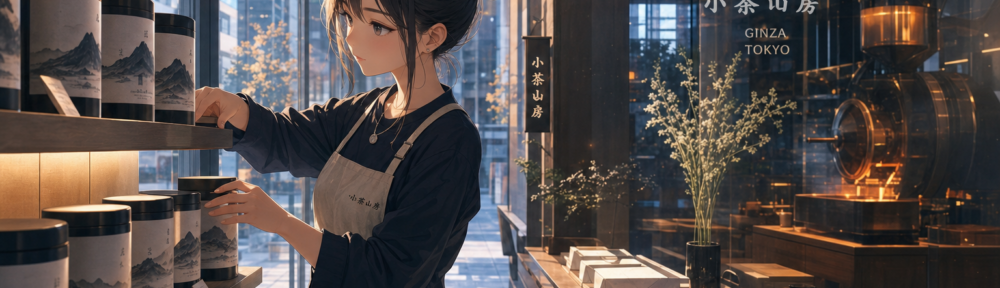
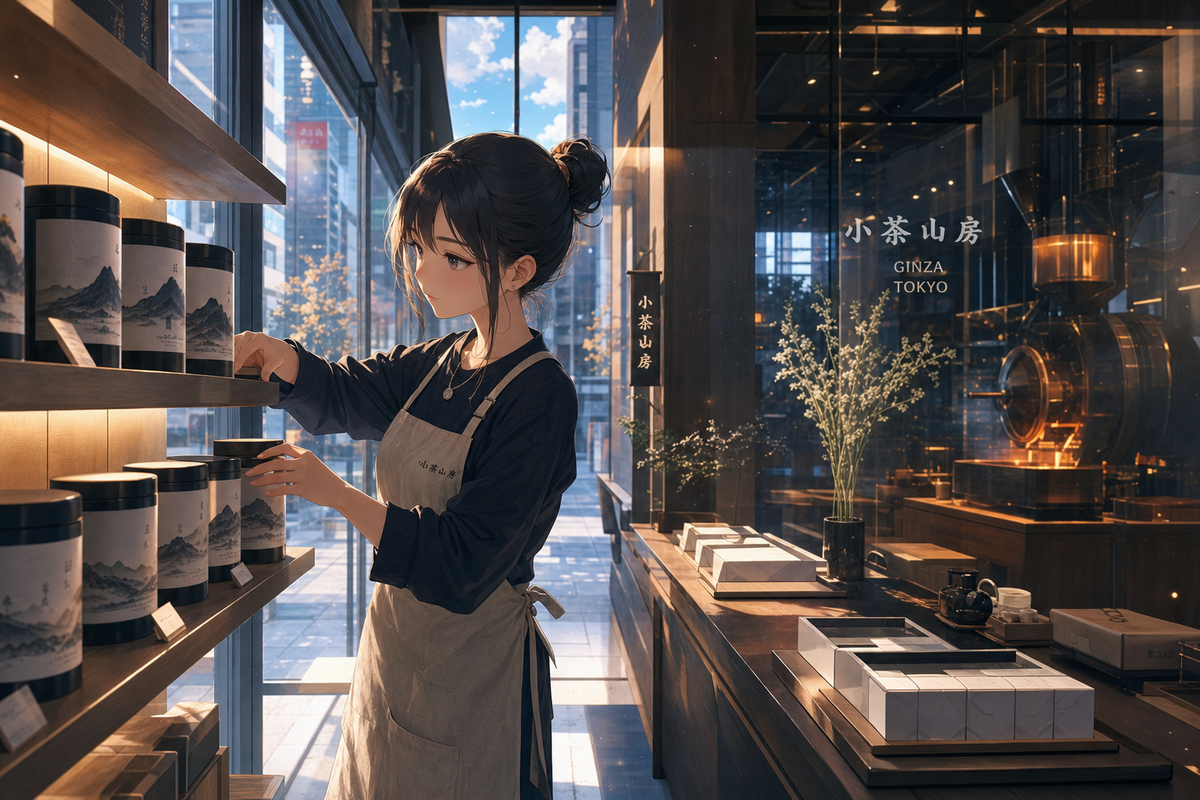
銀座 Six 的選物架上,京盛宇的茶包定價落在 ¥3,000 到 ¥8,000 之間。這個價格帶,放的是設計師文具、精品香薰、或是某個冰島小農的海鹽。台灣茶站上那排貨架,意味著它必須先通過一道篩選——你能說清楚自己是什麼,以及為什麼值得這個價格?
生活美學通路,不是伴手禮路線
京盛宇自 2026 年 3 月 11 日起透過微熱山丘的通路正式進駐日本,落點是銀座 Six 與丸之內。這兩個地點的選擇本身就是一道聲明。銀座 Six 是東京高端 select shop 的聚集地,來這裡買東西的人拿的是品牌哲學,不是紀念品。
微熱山丘是這筆合作裡容易被低估的那個角色。它以鳳梨酥起家,進東京標誌的是台灣食品品牌從伴手禮到生活美學品牌的路徑轉移。有了這條通路,京盛宇帶進去的 4 款茶包——阿里山金萱、凍頂烏龍、高山小葉種紅茶、茉莉花茶——銷售模式是「茶+糕點」搭配,直接在日本場域重演台灣茶席的消費語境。
京盛宇在台北以「職人透明烘焙玻璃展演」著稱,製茶過程全透明、可觀看。這套敘事在日本 select shop 是有效的。日本買手選品時重視的,是品牌能不能說出一套自洽的哲學——地方、工法、美學原則。台灣高山烏龍的產地海拔超過 1,000 公尺,阿里山、梨山、大禹嶺的晝夜溫差本身就是一個故事框架,不需要額外包裝,需要的只是把它說清楚。
東方美人茶的邏輯:缺陷即風味
台灣茶裡有一個故事特別適合在日本選物市場流通。東方美人茶因為茶小綠葉蟬的叮咬,促使茶葉產生特定的氧化反應,形成蜂蜜香氣。這款茶的風味來自一種「受損」——蟲害沒有被防治,反而被接受、被轉化、被定義成產品本質。在一個以 wabi-sabi 為美學基準的市場,這個故事的說服力遠超過任何行銷文案。
這也是台灣茶差異化的核心所在。產量和價格都不是關鍵,把地理條件和偶發事件轉化為品牌語言的能力才是。鶯歌(新北市)的陶瓷設計師用類似的邏輯做茶器,結合工藝與設計,部分作品已獲國際設計獎項。茶葉本身,配上器皿的設計語言,加上一套說得通的哲學,這才是一個能在日本高端市場站穩的組合。
春水堂的 43 年與一個花藝品牌
1983 年創立於台中的春水堂,1987 年正式推出珍珠奶茶。珍珠奶茶從台中一家茶館裡被發明,後來改變了全球飲料文化。今年春水堂 43 週年,它選擇聯名的是 Plantica——曾與愛馬仕合作的日本花藝團隊。
聯名商品包括玻璃杯、購物袋、雙杯提袋,以及「椰雪焙茶珍珠」與「海霧焙茶珍珠」兩款新口味霜淇淋,並同步推展至全球門市。其中「日本限定透明櫻花杯」在社群引發討論。Plantica 的花藝圖騰語言進入春水堂的包裝,是一個飲料品牌宣告自己現在要說的是儀式感語言,不是快飲語言。
這同期還有另一個維度:Plantica 在 2026 年春季同步與 RHINOSHIELD 犀牛盾展開三方聯名,把花藝視覺美學拉進手機殼。一個花藝品牌、一個台灣茶飲始祖、一個 3C 配件品牌,三條不同的日常消費路徑,共用同一套視覺語言。這種配置在日本市場有穿透力,因為它活在真實的購買決策裡,不是文化展覽。
日本通路正在開門,但門很窄
同一時間段,小田急電鐵旗下的「お茶浪漫」企劃於新宿站舉辦快閃,20 個品牌的茶葉選品裡首度納入台灣的花壇郷茶。鐵道生活風格通路對台灣茶的正式納入,和高端 select shop 的進駐,是兩條不同的路,但方向一致:台灣茶正被日本市場以生活美學商品的身份重新辨認。
我的判斷是,這條路的護城河不在葉子本身。阿里山的烏龍別的地方學不來,但更難被複製的,是台灣這幾十年積累出來的美學轉化能力——把農業條件說成哲學語言,把蟲害說成風味,把透明烘焙說成展演,把珍奶發明者說成儀式感品牌。這套能力,才是在 ¥3,000 到 ¥8,000 貨架上站穩的真實原因。
— 張書安
Taiwan Tea Sells a Philosophy, Not a Leaf
On the shelves of Ginza Six, Jing Sheng Yu’s tea bags are priced between ¥3,000 and ¥8,000. That price range puts them next to designer stationery and artisan ceramics — not tourist snacks. To occupy that shelf, a brand must first answer a question: what exactly are you, and why are you worth this?
Select Shop, Not Souvenir Counter
From March 11, 2026, Jing Sheng Yu entered Japan through Sunny Hills’ retail network, with permanent points of sale at Ginza Six and Marunouchi. Ginza Six is not a transit gift shop. It is where Tokyo’s high-end select shops concentrate — the buyers there choose brands with philosophies, not provenance certificates.
Sunny Hills is the underestimated piece of this partnership. Built on pineapple cake, its Tokyo presence marks a shift from Taiwanese souvenir food to lifestyle brand. Under that framework, the four tea bag SKUs — Alishan Jinxuan, Dongding Oolong, high-mountain small-leaf black tea, and jasmine — are sold in a “tea plus pastry” pairing format, recreating the Taiwanese tea-tasting context on Japanese soil.
Jing Sheng Yu is known in Taipei for its “craftsman transparent roasting glass display” — the tea-making process made fully visible. In a select shop setting, this translates into a narrative asset. Japanese buyers want a brand that can articulate a coherent aesthetic position. Taiwan’s high-mountain oolongs grow above 1,000 meters altitude, across Alishan, Lishan, and Dayuling. The day-night temperature differential at those elevations shapes the tea’s character. That is a verifiable origin story, not marketing copy.
Oriental Beauty and the Logic of Embracing Flaws
One story in Taiwan’s tea repertoire travels exceptionally well in Japan. Oriental Beauty tea — known locally as Dongfang Meiren — develops its honey aroma because of bites from the tea green leafhopper insect. The infestation triggers a specific oxidation response in the leaf. The flavor comes from damage, accepted and then defined as the product’s identity.
In a market that frames wabi-sabi as its aesthetic baseline, that origin story needs no embellishment. This is where Taiwan’s real differentiation sits — not in yield or price, but in the capacity to convert geographical conditions and accidental events into brand language. Ceramic designers in Yingge, New Taipei City, work along similar principles: combining craft and contemporary design, with select pieces earning international design recognition. Leaf, vessel, philosophy — assembled correctly, that is a package that holds its price in Japan.
Spring Water Tang’s 43rd Year
Chun Shui Tang was founded in Taichung in 1983. In 1987, it officially launched Pearl Milk Tea. Sit with that timeline for a moment: a drink invented in one tea house reshaped global beverage culture. This year, at its 43rd anniversary, the brand chose to collaborate with Plantica — the Japanese floral design team that has worked with Hermès.
The collaboration produced glassware, shopping bags, dual-cup carriers, and two new soft-serve flavors: “Coconut Snow Roasted Tea Pearl” and “Sea Mist Roasted Tea Pearl,” rolled out to global locations simultaneously. A Japan-limited transparent cherry blossom cup drew social media attention. Plantica’s floral iconography entering Chun Shui Tang’s packaging is a drink brand declaring that it now speaks the language of ritual, not convenience. That declaration carried a price tag and a shelf slot, not a gallery wall.
Plantica ran a simultaneous three-way collaboration in spring 2026 with Chun Shui Tang and RHINOSHIELD, pulling the same floral visual language into phone cases. A floral design brand, a tea drink originator, and a protective accessories label — three separate daily purchase pathways using one shared visual identity. That structure has penetrating power in Japan because it lives inside real consumer decisions, not gallery walls.
The Door Is Open but the Frame Is Narrow
Around the same period, Odakyu Electric Railway’s “Ocha Roman” event at Shinjuku Station featured 20 tea brands, with Taiwan’s Huadan Township tea appearing for the first time. A major Japanese railway lifestyle retail channel formally including Taiwanese tea in its selection is a different pathway from Ginza Six — but the direction is the same. Taiwan tea is being reclassified, by Japanese buyers, as a lifestyle product.
The moat is not the leaf itself. Alishan’s terroir is irreproducible, but harder to copy than geography is the accumulated capacity to translate agricultural facts into aesthetic arguments — framing insect damage as flavor, transparent roasting as performance, a drink invention as the foundation of a ritual brand. That translation capability is what actually justifies a ¥3,000–¥8,000 price tag.
— 張書安
延伸閱讀
https://justfly.idv.tw/s/gVrbLEW