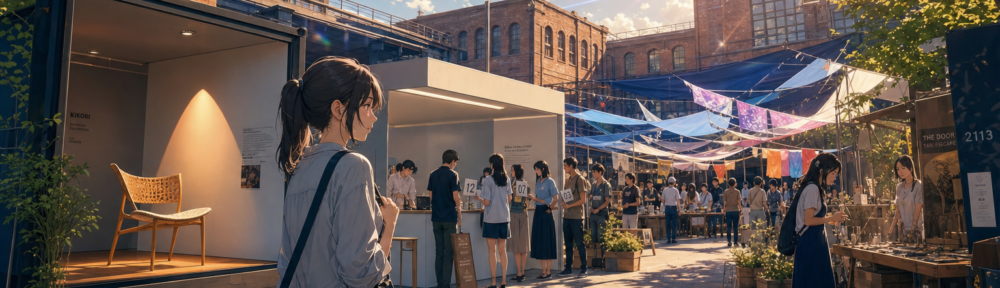
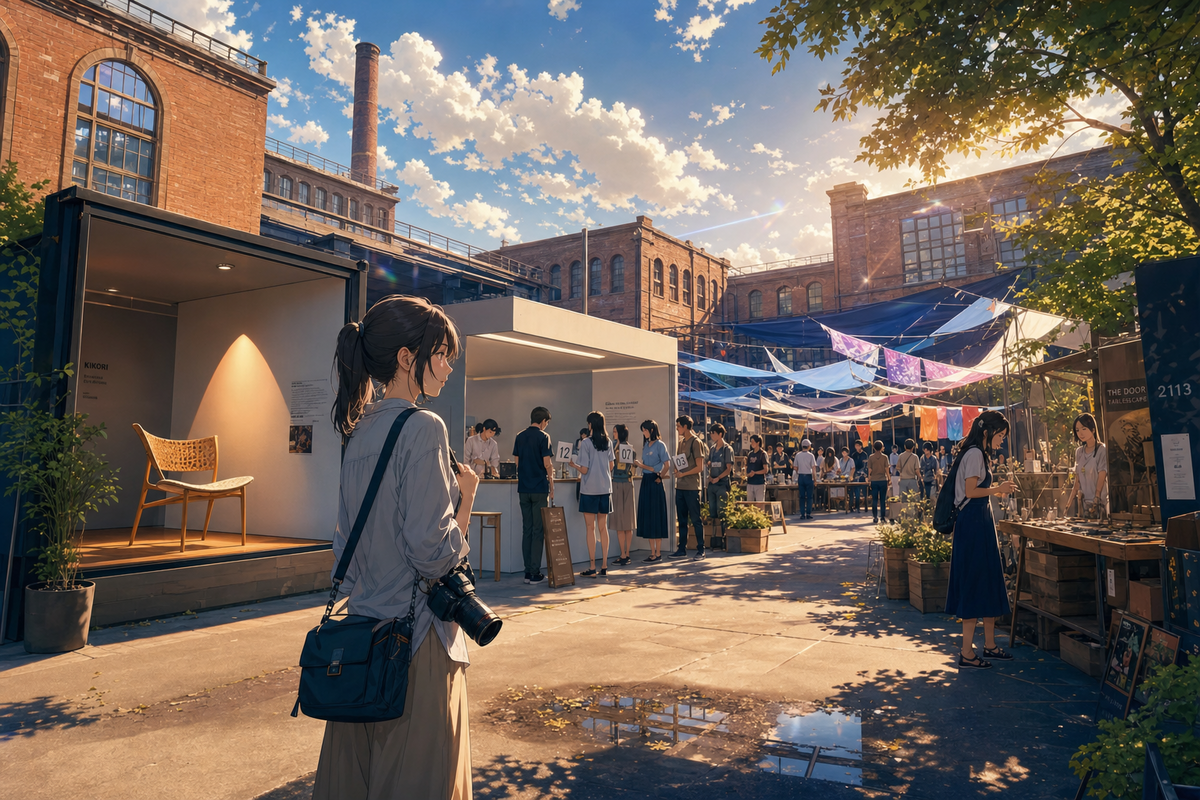
華山1914的磚牆上,貼著一張椅子的海報,問你:「你用什麼姿態面對自己的人生?」這不是心靈勵志廣告。這是韓國人體工學家具品牌 SIDIZ 的快閃展——一個賣椅子的公司,選擇在台北把椅子變成一道哲學題。
同一週,東京甜點品牌 BLANCA 在晶華酒店門口製造了排隊人龍。那是由東京米其林一星餐廳主廚打造的巴斯克蛋糕,首次離開東京,第一站選了台北。森之市在台北表演藝術中心的廣場上,讓超過百間台灣在地品牌和逾120位來自日、韓、泰的海外創作者同台,每個攤位都在回答同一個問題:我是誰。
三個快閃,三種世界觀。都在台北,都在同一週。
空間是宣言,不是賣場
我在走拍的工作裡看過太多品牌快閃,大部分是這樣運作的:找一個有質感的空間,擺幾件商品,讓攝影師來打卡,三天後消失。這種模式的目的是「曝光」,不是「陳述」。
SIDIZ 在華山1914做的事完全不同。它沒有把椅子的支撐力、透氣度或可調節角度列成清單——那些是型錄的任務。它問的是:你坐在椅子上的時間,構成了什麼樣的人生?這個空間的邏輯是沉浸式的,訪客不是消費者,更接近被審問的對象。人體工學椅的功能退居其次,品牌世界觀站到了前面。
華山1914本身提供了一種空氣。這個由日治時代(1914年創建)酒廠改建的園區,年訪客量約600萬人次,長期是台北品牌發表與設計展覽的核心場域。空間有歷史厚度,讓進駐的品牌自動被賦予一層敘事重量。SIDIZ 選這裡,不是偶然。
稀缺是立場
BLANCA 的排隊儀式感是另一種哲學。東京的人氣甜點文化本來就建立在稀缺性上——限量、限地、限時,不解釋,只等待。把這套邏輯移植到台北晶華,它考驗的是:台北消費者願不願意為「品牌的規則」排隊,而不只是為「商品本身」。
答案顯然是願意。這說明了一件比銷售數字更有意思的事:台北消費者接受品牌設定遊戲規則的前提。你不必解釋為什麼要排隊,只要這個品牌的世界觀說得通,人就會站進去。這是一種需要市場培養才能出現的消費成熟度。
百家攤位,百道「我是誰」
森之市的「小森手紙・森林文具房」在台北表演藝術中心舉行,時間是5月22日至24日。策展型聚落,超過百間台灣在地品牌、逾120位來自日本、韓國、泰國的創作者,每個攤位都在用商品回答一道身份題。文具、藝術、咖啡、輕食——這些品類本身不重要,重要的是它們構成的整體語境:亞洲獨立品牌的自我陳述,集中在同一個空間裡同時發生。
Yuzu Kyodai 的研究在分析數百個快閃案例後得出一個結論:最成功的快閃,靠的是讓訪客從旁觀者變成參與者,規模反而是次要的。森之市的模型恰好印證這一點——你進場,你被迫做選擇,你的選擇洩露了你是誰。這比任何品牌廣告都有效率。
台北憑什麼是哲學舞台
外界常把台北解讀為「進入大中華市場的跳板」或「日系品牌的友善練兵場」。這種說法技術上沒有錯,但它錯估了台北消費者的角色。台北人對品牌的要求不止於「好用」或「好看」,他們評判的是品牌的世界觀是否自洽——你說你是誰,你的空間設計、定價邏輯、選品策略必須全部同意你說的那句話。
這個條件,在亞洲其他城市很難複製。它需要長年累積的文化消費習慣,需要有一批消費者把「品牌識別」當作審美判斷的一部分。松山文創、華山1914這類場域在2010年前後透過文化創意產業發展法取得制度支撐,二十年下來養出的,是場地,也是一種觀眾。
SIDIZ、BLANCA、森之市,三個品牌在同一週選擇台北,代價都不低。快閃的成本從場租到物流到人事,沒有一項便宜。它們不是來試水溫的,它們是來開口說話的——台北是少數聽得懂的城市。
— 曾凡凡
Taipei Makes Brands Speak. Other Cities Just Let Them Sell.
On the brick wall at Huashan 1914, a poster shows a chair and asks: “What posture do you face your life with?” That’s not a wellness ad. That’s Korean ergonomic furniture brand SIDIZ running a pop-up in Taipei — turning a chair into a philosophical provocation.
The same week: Tokyo dessert brand BLANCA, created by the chef behind a Michelin-starred restaurant, set up its first overseas stop at the Regent Taipei, manufacturing a queue as deliberately as it manufactures cake. And Mori Market gathered over one hundred Taiwanese independent brands alongside more than 120 overseas creators from Japan, Korea, and Thailand at the Taipei Performing Arts Center — each booth answering the same question from a different angle: Who are we?
Three pop-ups. Three worldviews. One city. One week.
Space as Statement
Most brand pop-ups follow a familiar logic: rent a photogenic space, arrange products, invite photographers, disappear after seventy-two hours. The goal is exposure. SIDIZ did something different at Huashan 1914. It didn’t list lumbar support specs or tilt-angle ranges — that’s what catalogs are for. It asked visitors to consider what kind of life gets built in a chair. The space was built around immersion, not transaction. Visitors weren’t shoppers; they were subjects under examination.
Huashan 1914 — the former 1914-era distillery complex that draws around six million visitors a year — carries its own weight. Brands that enter it inherit a layer of historical density. SIDIZ chose that deliberately.
The Queue Is the Product
BLANCA’s approach works differently. Tokyo’s dessert culture is built on scarcity — limited quantities, specific locations, no explanations offered. Transplanting that logic to the Regent Taipei tests whether Taipei consumers will queue for a brand’s rules, not just its goods. They did. That willingness reveals something more interesting than any sales figure: Taipei audiences accept a brand’s right to set the terms of engagement, provided the brand’s internal logic holds together. That kind of consumer maturity doesn’t appear overnight.
A Hundred Booths, A Hundred Identities
Mori Market’s “Komori Tegami” event ran May 22–24 at the Taipei Performing Arts Center. It wasn’t a market in the conventional sense — it was a curated community of independent voices. Stationery, art, coffee, light food: the categories don’t matter as much as the cumulative effect of over a hundred brands simultaneously performing their own self-definition in one space.
Research into pop-up retail across Asia has found that the most effective activations don’t succeed through scale — they succeed by converting observers into participants. Mori Market’s model works exactly this way. You walk in, you’re forced to choose, and your choices tell you something about yourself. That’s more efficient than any campaign.
Why Taipei Specifically
The easy explanation for Taipei’s appeal is proximity to broader Chinese-speaking markets, or affinity with Japanese brand culture. Both are true and neither is the real answer. Taipei consumers evaluate whether a brand’s worldview holds together — whether the space design, pricing logic, and product selection all agree with the story the brand tells about itself. When they don’t align, Taipei audiences notice and say so.
That critical capacity took decades to cultivate. The institutional scaffolding provided by the Cultural Creative Industries Development Act, the creative parks at Songshan and Huashan, and two decades of independent brand culture produced not just venues but a particular kind of audience. SIDIZ, BLANCA, and Mori Market all absorbed real costs — rent, logistics, staffing — to access that audience. They weren’t testing the market. They were making a speech to the one city in Asia that would actually parse it.
— 曾凡凡
延伸閱讀
https://justfly.idv.tw/s/DCBH9qe