5月1日,第15屆台灣國際紀錄片影展在國家影視聽中心開幕。開幕式沒有電影。
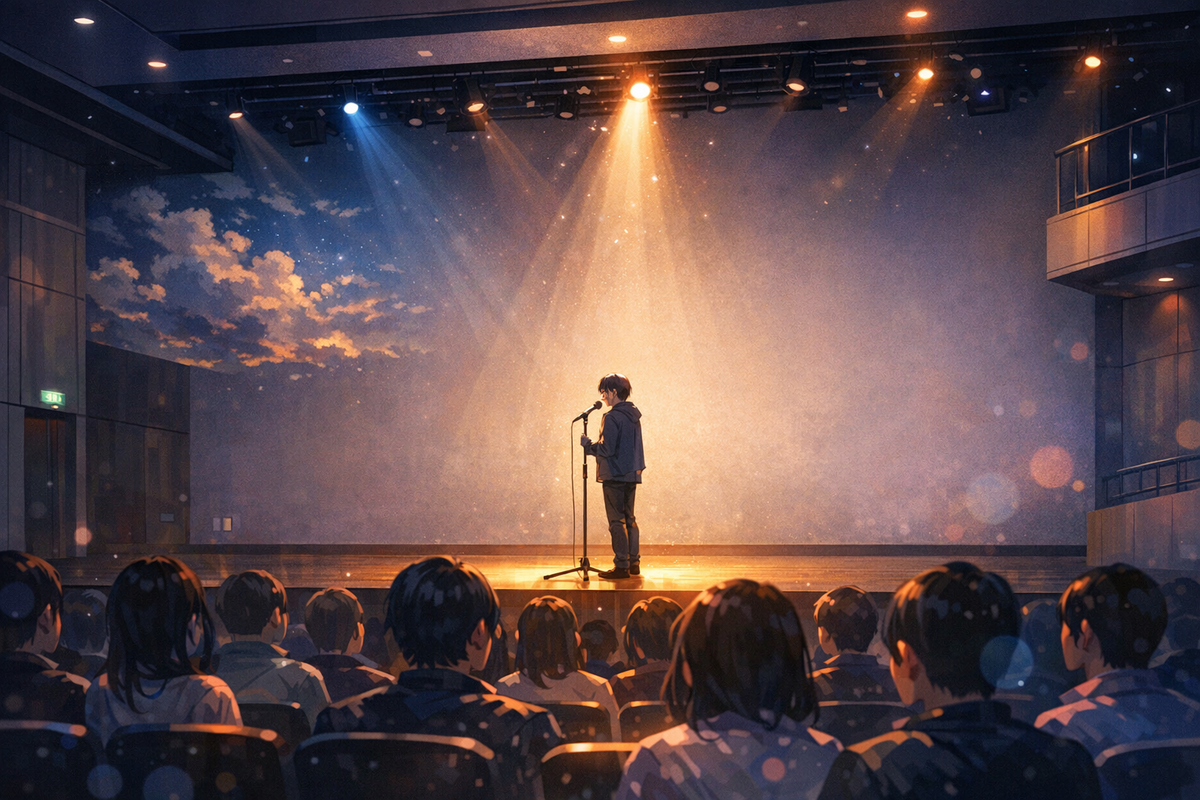
上台的是藝術家Saeed Taji Farouky,帶著一場名為《死亡必然,卻非終章》的「講述表演」——60分鐘,幽默,真摯,控訴巴勒斯坦在藝術敘事中被系統性抹除的處境。策展人林木材的邏輯很清楚:當巴勒斯坦的國家檔案體系近乎不存在,藝術家的身體和語言本身就是檔案。讓一個藝術家站在台上開口,比放一部電影更誠實。
這是一個選擇,不是一個事故。
從篩選到架構:策展人在做什麼
本屆TIDF共舉辦4場「講述表演」:鄧九雲的《不可靠的第一人稱》、區秀詒與陳侑汝的《冷海外,每朵烏雲都鑲著銀邊》、黃邦銓與林君昵、澎葉生、吳明益合作的《時間的群山》,以及開幕的Farouky作品。近140部作品散落於國家影視聽中心、獅子林新光影城、光點華山、C-LAB四個展區。
數字本身不驚人。驚人的是這次開幕式傳遞的位置宣告:策展人在告訴你「你應該用什麼思想框架進入這些電影」,而不只是「這部片值得看」。這兩件事的差距,大約等於圖書館館員和思想家的差距。
做聲音設計這行,我對「進場之前的框架」特別敏感。觀眾在燈暗之前腦袋裡的狀態,決定了他們會聽見什麼、忽略什麼。TIDF這次用講述表演作為開幕,等於在燈暗之前先調好了觀眾的耳朵。這不是服務,是介入。
1985年的種子,四十年後的語言
台灣不是第一次嘗試用影像說自己的事。1985年11月,陳映真創辦《人間》雜誌,共出刊47期、歷時約四年,首創台灣「紀錄攝影」的概念。攝影師阮義忠、關曉榮深入農村、原住民部落、都市邊緣,拍那些主流媒體不去的地方。《人間》的立場很清楚:鏡頭是批判工具,不是裝飾。
1989年《人間》停刊,但它埋下的問題沒有消失——記錄誰的現實?誰有權命名?這條脈絡一路延伸,從紀錄攝影到紀錄電影,從個別作品到影展策展。TIDF現在回答的,正是《人間》當年沒有來得及回答完整的那個問題:台灣作為策展主體,憑什麼在這裡策展、為誰策展、策的是什麼展?
這個問題一旦被認真提出,選片就只是策展的最後一道工序,不是全部。
缺席作為力量,檔案作為政治
「巴勒斯坦(無)檔案」這個主題選得很準。在一個國家檔案系統被摧毀或根本不被允許建立的處境裡,記錄本身就是抵抗行為。Farouky的講述表演之所以能撐起整場開幕,正是因為他的身體、他的語言、他站在台上這件事,就是那份缺席的檔案的反面。一個以在場對抗消除的姿態。
林木材用這個邏輯打開了第15屆TIDF。這個邏輯反過來也在說台灣:一個長期處於國際檔案體系邊緣的地方,如果不主動構建自己的敘事框架,就會在別人的分類系統裡永遠待在括號裡。策展主體性,說穿了是一種文化自衛。
這不是台灣獨有的困境,但台灣有特別強的理由把這件事做好——而且已經有人在做了。
— 林郁翔
TIDF’s 15th Edition Skipped the Film and Made a Claim
On May 1, the 15th Taiwan International Documentary Film Festival opened at the National Center for Audiovisual Culture. There was no film at the opening.
Instead, artist Saeed Taji Farouky performed a 60-minute piece called Death Is Certain, Spring Will Come — part talk, part testimony, using humor to indict the systematic erasure of Palestinian creative work from international cultural archives. Curator Lin Mu-tsai’s logic was explicit: when a national archive system barely exists, the artist’s body and voice become the archive itself. Putting a person on stage was more honest than screening a film.
That was a choice, not an accident.
What Curators Are Actually Doing Now
This edition features four “artist talk-performances” alongside nearly 140 works spread across four venues in Taipei. The scale isn’t the story. The opening ceremony is the story — because it announced something about the curator’s role: not “here is a film worth watching” but “here is the framework through which you should enter these films.” The gap between those two gestures is roughly the gap between a librarian and a philosopher.
As someone who works in sound design, the frame that exists before the lights go down determines what an audience hears and what they screen out. TIDF used the talk-performance to calibrate that frame before the first image appeared. That’s not service. That’s intervention.
The Seed Planted in 1985
Taiwan has tried before to use images to narrate its own reality. In November 1985, writer Chen Ying-zhen founded Renjian magazine — which ran for 47 issues over roughly four years and introduced the concept of documentary photography to Taiwan. Photographers Ruan Yi-chung and Kuan Hsiao-jung went into rural villages, indigenous communities, and urban margins to document what mainstream media ignored. The magazine’s position was unambiguous: the lens is a critical tool, not decoration.
Renjian closed in 1989 under financial pressure, but the questions it raised didn’t close with it — whose reality gets recorded, and who has the right to name it? That thread runs from documentary photography through documentary film to the curatorial choices TIDF is making now. The question this 15th edition is answering is the one Renjian never finished: what is the basis for Taiwan curating its own documentary culture, for whom, and toward what end?
Once you take that question seriously, selecting films becomes the last step in curation, not the whole of it.
Archive as Politics
The theme “Palestine (Un)Archive” is precisely chosen. When a national archive system has been destroyed or never permitted to exist, the act of recording is itself resistance. Farouky’s talk-performance worked as an opening because his presence on stage — his voice, his body — was the inverse of that absence. Presence as counter to erasure.
Lin Mu-tsai used that logic to open the 15th TIDF. The same logic reflects back on Taiwan: a place long held at the margins of international archival systems, bracketed or simply absent in other countries’ classification grids. If Taiwan doesn’t build its own curatorial framework, it stays inside someone else’s parentheses. Curatorial subjectivity, plainly stated, is a form of cultural self-defense.
That’s not a new problem anywhere. But Taiwan has particular reasons to take it seriously — and particular people already doing the work.
— 林郁翔
延伸閱讀
https://justfly.idv.tw/s/DxhMXsv