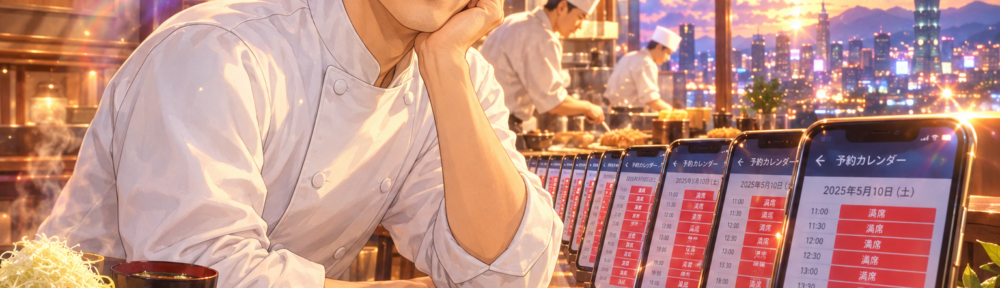
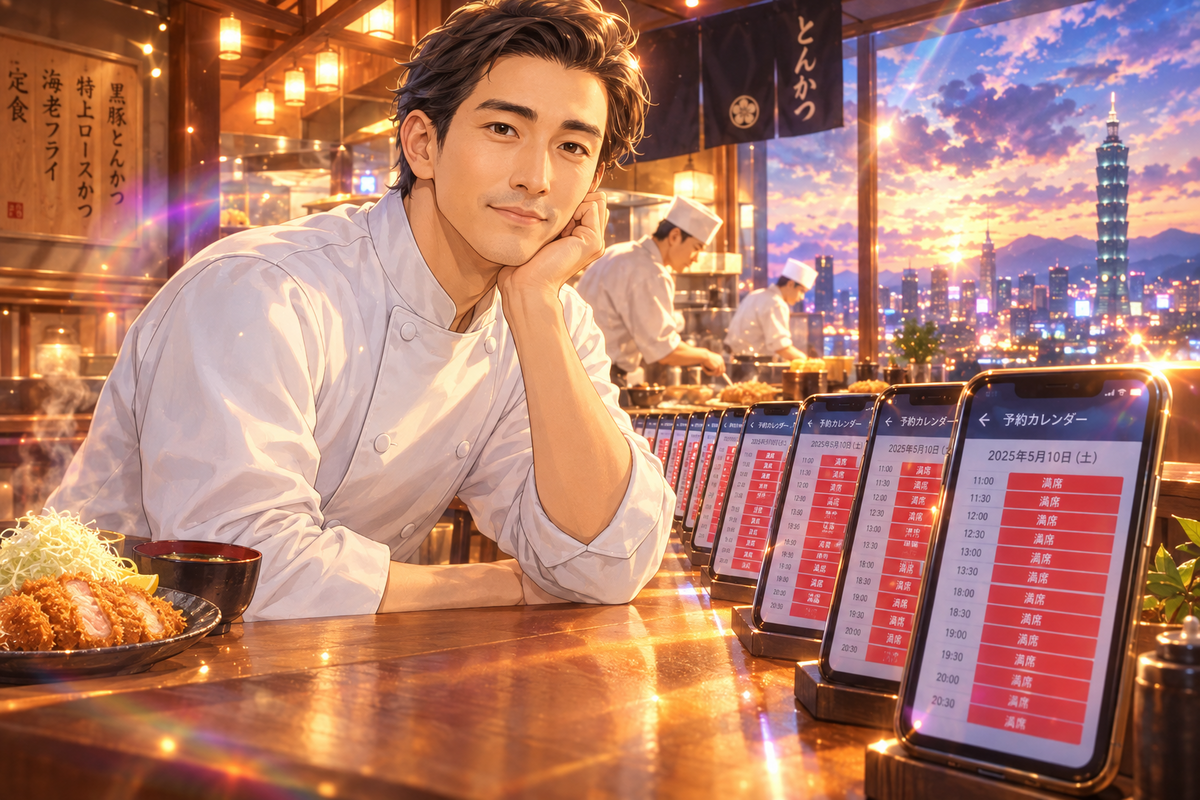
9月23日中午12點,一批炸豬排的訂位開放。晚間時段3分鐘內訂光,全時段9分鐘內訂光。這不是演唱會門票,也不是限量球鞋,是一間豬排店的座位——東京老牌「成蔵(とんかつ成蔵)」,在日本美食網站上長年排名第一,台北店10月6日開幕,首波開放的是10月6日到11月4日的席次。賣完之後,接下來每天中午12點,固定開放30天後的位子。這套機制像極了搶高鐵連假車票,只是搶的是一塊豬排。
成蔵在海外展店多國,台灣是它近期進駐的市場之一。9分鐘這個數字值得放大看:它量化了一件平常只能用「很紅」帶過的事——台灣的高端餐飲客層對日本職人品牌,到底有多願意掏錢、花時間排隊。
為什麼是台灣,不是只有一個答案
把這件事簡化成「崇日」太懶惰。東京的駅ナカ商場模式已經搬進台北車站地下一樓,由日方直營,鎖定的是每天往返的通勤人潮;松菸也辦過日本職人工藝的快閃展,工坊、選物、講座一次到齊。這些案例疊在一起,講的其實是同一件事:台北市場夠成熟,消費力夠集中,文化理解的門檻夠低,日本品牌把這裡當成進入華語圈前的試驗場,這是市場邏輯運作的結果。地理近、語言隔閡小、消費力到位,三個條件疊加,才讓台北常常排進這類品牌的優先名單。
但這不妨礙提出一個不舒服的問題:同樣是排隊9分鐘,給的對象如果是一間台灣本土職人豬排店、一個做了二十年工法沒變過的老師傅,會不會訂得這麼快?
排隊的是品牌,還是手藝
「日本第一」四個字本身就是一張背書。消費者不需要自己判斷豬排好不好吃,排名已經做完這份工作,剩下的只是付錢卡位。這是效率,但也是一種偷懶——把判斷力外包給外部評鑑系統,台灣本土的職人反而少了這張現成的背書紙,得靠口碑一點一點磨,磨得比日本品牌慢得多。台灣本土職人不是技藝不夠,是「被看見」的路徑不一樣。日本職人品牌帶著現成的文化光環入場,台灣職人得先說服大家「這值得排隊」,光環要自己長出來。
排隊之外的那三十天
成蔵接下來的營運節奏是每天中午12點開放30天後的席次,意味著整個10月的預約已經滿了。這套「每日放票」機制本身也是一種篩選——願意每天刷新頁面搶位子的,才是真正的目標客群。這跟台灣消費者習慣的「現場排隊」文化不太一樣,但效果殊途同歸:稀缺感製造出來了,話題也跟著來了。對本土餐飲品牌而言,真正該學的是這套「把稀缺感變成行銷」的操作邏輯——只是學會操作稀缺感之前,得先有被稀缺的理由。
— 徐政樺
What a 9-Minute Sellout Says About Taiwan’s Taste for Craft
A Sellout in 9 Minutes
At noon on September 23, reservations opened for a tonkatsu restaurant. The evening slots sold out in 3 minutes. Every remaining slot across the whole booking window sold out in 9. Not a concert ticket, not limited-edition sneakers — seats at a pork cutlet restaurant. Tokyo’s 成蔵(とんかつ成蔵), ranked first for years on Japanese food review sites, will open its Taipei location on October 6. The first wave of bookings covered October 6 through November 4. After that sold out, the restaurant switched to releasing reservations 30 days out, every day at noon — meaning the entire month of October is already booked solid.
成蔵 has expanded to multiple overseas markets, and Taiwan is one of its recent stops. The 9-minute number matters because it quantifies something normally described only in vague terms — how much of Taiwan’s high-end dining crowd is willing to pay, and wait, for a Japanese craft brand.
Why Taipei, and Why Not Just One Reason
Reducing this to “a love of Japan” is lazy. JR East’s ekiNaka retail model — Japan’s station-embedded shopping concept — has already moved into the basement of Taipei Main Station, run directly by the Japanese operator, targeting daily commuters. A craft-industry pop-up from Japan has also set up in Songshan Cultural Park, combining workshops, curated goods, and talks. Stack these cases together and a pattern emerges: Taipei’s market is mature enough, spending power concentrated enough, and the cultural gap small enough that Japanese brands treat it as a testing ground before moving into the wider Chinese-speaking market. That’s a market calculation, not some singular cultural devotion. Proximity, low language friction, and purchasing power stack together — that combination, not any one factor, keeps putting Taipei on the shortlist.
Still, an uncomfortable question stands: would a local tonkatsu chef with two decades of unchanged technique sell out reservations in 9 minutes too?
Queuing for the Brand, or the Craft
“Ranked No. 1 in Japan” already functions as a credential. Diners don’t need to judge whether the pork cutlet is good — the ranking has done that work already. That’s efficient, but it’s also a kind of outsourcing: judgment handed off to an external review system. Local Taiwanese chefs don’t get that ready-made credential. Reputation builds slowly, word of mouth, at a pace nowhere near as fast as an imported brand with built-in prestige. It’s not that local craft falls short — the path to visibility is different. A Japanese brand arrives with the halo already attached. A Taiwanese craftsman has to convince people the wait is worth it first, and grow that halo from scratch.
What the Next 30 Days Look Like
The daily-release system — opening slots 30 days ahead, every noon — is itself a filter. Whoever refreshes the page every day at noon is the real target customer, a different rhythm than Taiwan’s usual walk-up queue culture, but it produces the same result: manufactured scarcity, and the buzz that follows. What local restaurant brands might actually learn here isn’t the recipe. It’s the mechanics of turning scarcity into publicity — except scarcity only works once there’s something worth being scarce about.
— 徐政樺
延伸閱讀
https://justfly.idv.tw/s/WCogH8n