八月十三日,北台灣城市韌性演習現場,工程師執行的指令是「降速」。全島首次模擬戰時網路降速,刻意把頻寬壓低,模擬通訊基礎設施受損的場景。美國在台協會(AIT)處長在現場見證。這個畫面放到任何一個「台灣強化防衛」的敘事框架裡,都顯得格格不入——因為看起來像是在讓自己變弱。
但那正是重點所在。
網路降速是一種壓力測試
戰時網際網路不會直接斷掉,會先變慢、變不穩、封包遺失率飆升。民眾會繼續嘗試連線,醫院系統會繼續要傳輸影像,政府單位會繼續要推送公告。頻寬剩下三成的時候,哪些服務能撐住、誰要讓路給誰。
這次演練測試的,是優先權分配的機制:緊急通訊走哪條線、民生訊號走哪條線、哪些平台在壓縮頻寬後仍然可用。純粹的工程題,但答案品質決定了戰時一般市民能不能收到疏散指令、醫護人員能不能遠端調閱病歷。
AIT處長到場,不只是政治訊號。美方近年在台灣韌性建設上投入了相當多的技術顧問資源,網路降速演練的規劃背後,有跨國的通訊基礎設施評估在支撐。現場見證,是一種核可與背書。
隔天,東岸的船動了
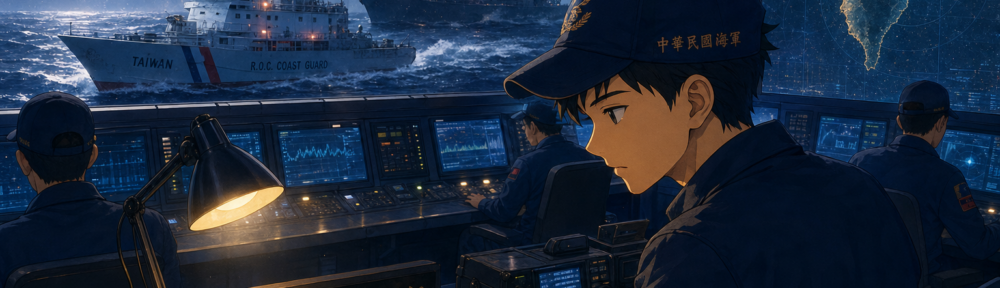
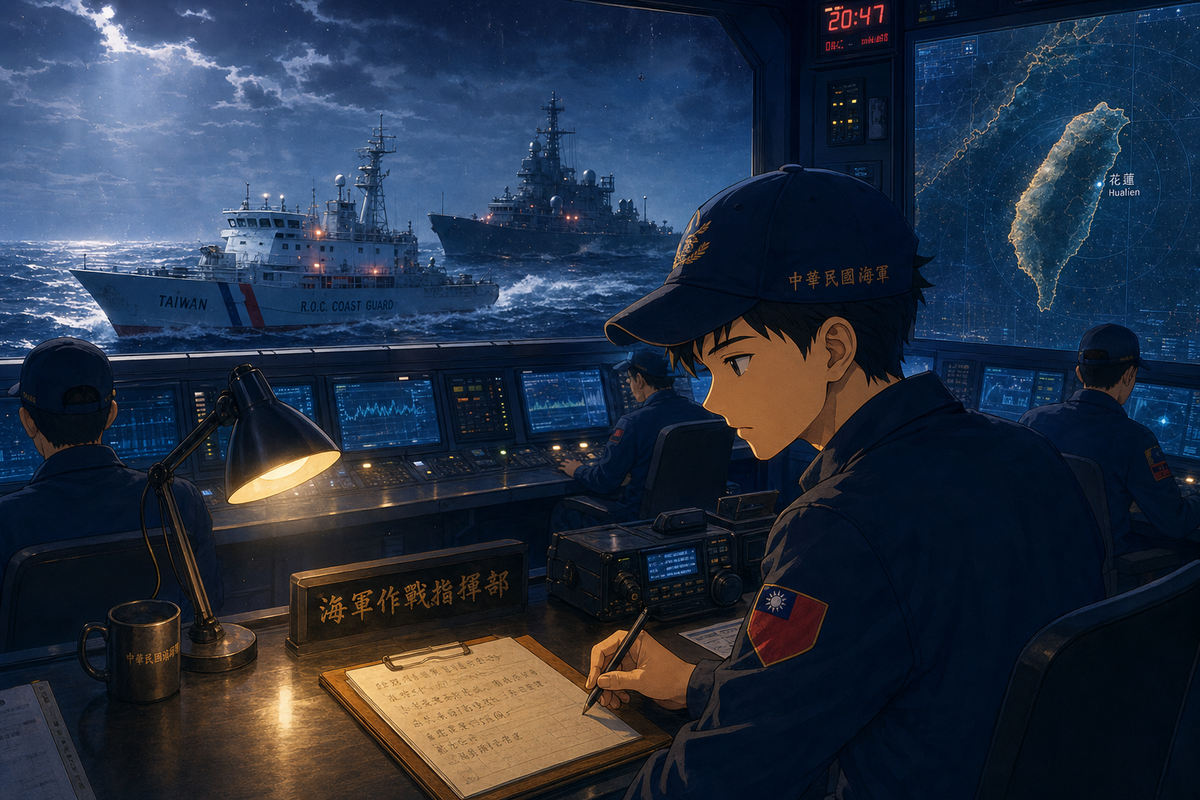
八月十四日,海軍與海巡署完成史上首次聯合反封鎖演練,地點在東岸——花蓮與蘇澳兩個港口被定位為戰時備用補給節點。演練情境是:商船在封鎖條件下,由海軍與海巡協同護送,從東岸港口突破封鎖線。
西岸的港口在台海衝突情境下幾乎必然首當其衝。把東岸納入戰備物流不是新概念,但正式把花蓮與蘇澳定位為指定後備節點,然後真的演練護航程序,把概念從政策文件推進到可執行的反射動作。
兩場演練,相隔兩天。一個處理資訊封鎖,一個處理物資封鎖。合起來構成成對測試:戰時壓力的兩種最可能形式下,民生能否繼續運作。
肌肉記憶才是產出
這些演習的價值不在產生的數據。在於重複。跑過一次降速網路的工程師,知道該留意哪些故障模式。與海巡協調過護航物流的海軍軍官,有了不需要在交火中才建立的工作關係。
韌性認真對待的話,看起來比較不像盔甲,比較像排練。降速網路、東岸護航路線、AIT處長站在指揮中心看著螢幕上頻寬數字往下掉——這些是一個系統在平時試圖學習的不華麗機制,學著如何在條件不再平常時讓日常生活繼續運轉。
下一個問題不是台灣能不能跑這些演練。是這些演練產出的協議,六個月後,是否還能被不在八月十三日和十四日現場的人員執行。
— 張誠書
Slow Down to Survive: Taiwan’s Counterintuitive Resilience Drills
On August 13, engineers at a northern Taiwan urban resilience drill received an unusual order: slow the network down. Taiwan conducted its first island-wide simulation of wartime internet throttling — deliberately compressing bandwidth to model what happens when communications infrastructure takes damage. The director of the American Institute in Taiwan (AIT) was present to observe. In any standard “Taiwan strengthens defenses” narrative, this moment looks strange. Looks like practicing how to become weaker.
That’s precisely the point.
Throttling Is a Stress Test
In a real conflict, the internet doesn’t simply switch off. Degrades — bandwidth collapses, packet loss climbs, systems that assumed stable connectivity start failing in unpredictable ways. Hospitals still need to pull imaging files. Emergency management still needs to push alerts. The question was never “will the network exist?” but “when capacity drops to a fraction of normal, who gets priority and who waits?”
The drill tested the priority-routing architecture: which channels carry emergency communications, which carry civilian services, and which platforms remain functional under compression. An engineering problem, but the quality of the answer determines whether an ordinary resident receives an evacuation notice, or whether a nurse can access a remote medical record.
AIT’s director being on-site wasn’t purely symbolic. U.S. technical advisory involvement in Taiwan’s resilience planning has been substantial in recent years. An in-person witness at this specific exercise functions as something closer to an endorsement of the methodology.
The Next Day, Ships Moved
On August 14, the Navy and Coast Guard conducted their first-ever joint anti-blockade exercise, operating out of the eastern coast — with Hualien and Suao designated as wartime backup supply nodes. The scenario: commercial vessels being escorted through a simulated blockade line by a combined Navy-Coast Guard formation departing from eastern ports.
Western ports face the most exposure in any Taiwan Strait scenario. Routing logistics through the eastern coast isn’t a new idea in asymmetric defense planning, but formalizing Hualien and Suao as designated fallback nodes — and then actually drilling the escort procedure — moves the concept from policy paper to practiced reflex.
Two drills, two days apart. One addresses information blockade; the other addresses physical blockade. Together form a paired test of whether civilian life can continue functioning under the two most likely forms of wartime pressure.
Muscle Memory Is the Product
The value of these exercises isn’t the data generated. The repetition. Engineers who have run a throttled network once know which failure modes to watch for. Naval officers who have coordinated with Coast Guard on escort logistics have a working relationship that doesn’t need to be established under fire.
Resilience, treated seriously, looks less like armor and more like rehearsal. The throttled network, the eastern escort route, the AIT director standing in a command center watching bandwidth numbers drop on a screen — these are the unglamorous mechanics of a system trying to learn, in peacetime, how to keep ordinary life running when conditions stop being ordinary.
The next question isn’t whether Taiwan can run these drills. Whether the protocols produced will still be executable six months from now, by personnel who weren’t in the room on August 13 and 14.
— 張誠書
延伸閱讀
https://justfly.idv.tw/s/zzhDiCC