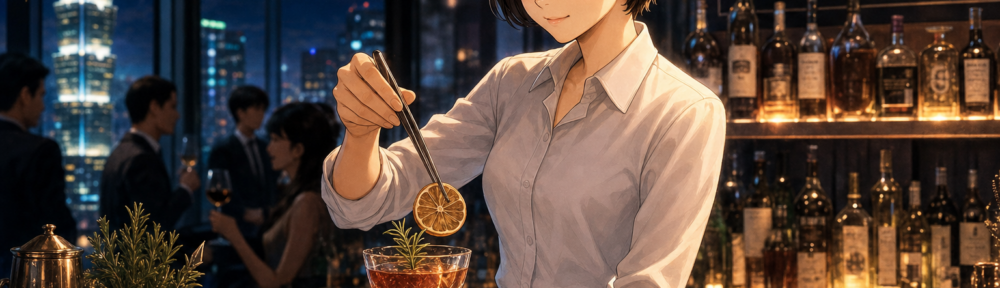
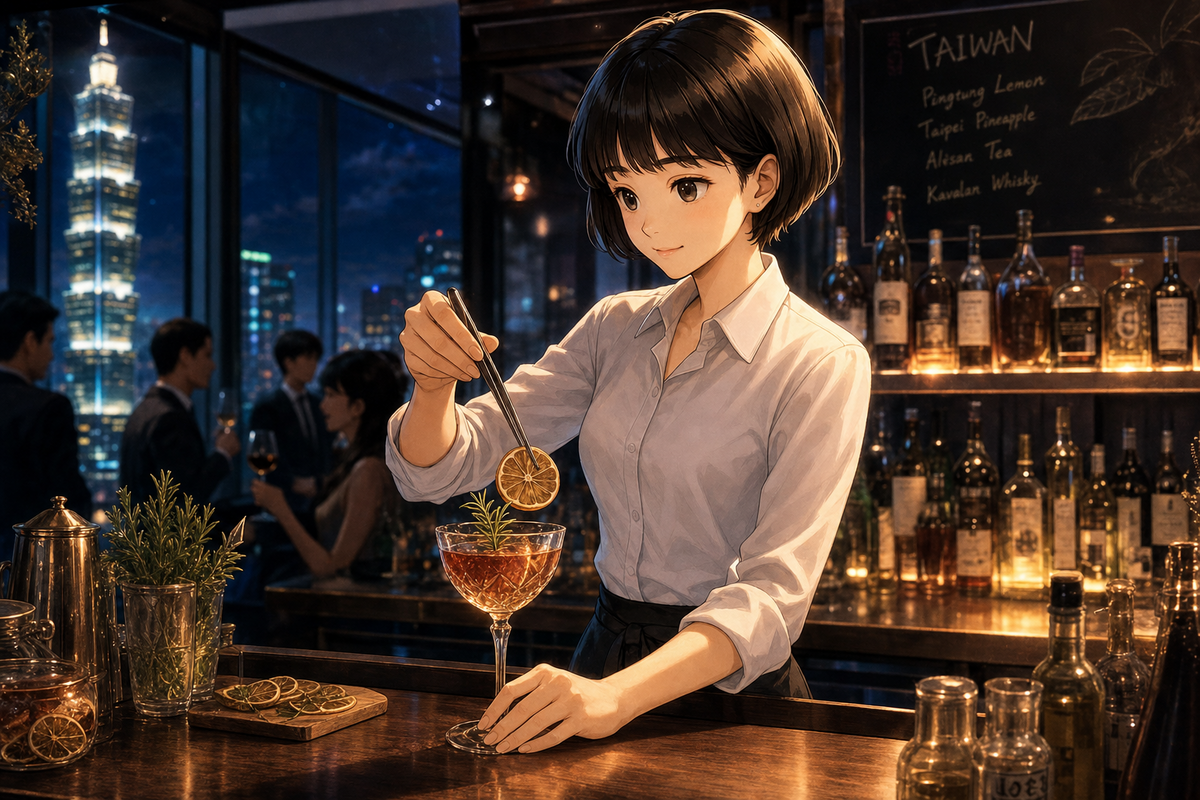
台中 Vender 再度入榜亞洲50大酒吧,蟬聯台灣最佳酒吧頭銜。台北 Bar Mood 跟上,加上南部一席,2026年台灣共三家進榜。沒有任何政府新聞稿配合宣佈,沒有觀光局聯名慶功。就只是名單出來,業界知道了,然後繼續上班。
這種靜悄悄,其實很準確地描述了台灣飲食軟實力的運作方式。
一個獎一個獎疊出來的信用
同一個月,台灣精品咖啡品牌 ALL DAY 拿下2026年GCA亞洲總冠軍。台南山海樓——連續七年米其林一星的台菜餐廳——與留法釀酒師陳千浩合作推出「消失的餐盤」餐酒宴,試圖重現1930年代台灣酒樓宴席的風景,用泡盛與燒酎的味覺記憶連接那段幾乎被遺忘的飲食史。
三件事,三個不同的場域,沒有彼此協調,卻在同一個時間窗口裡形成了某種景深。
做咖啡的人很清楚:一個獎項本身說服不了任何人,說服人的是連續入榜的慣性。Vender 不是第一次入榜,Bar Mood 也不是突然冒出來的名字。這種慣性靠一杯一杯的出品建立,用十年的時間讓國際評審的肌肉記憶裡出現「台灣」這個選項。
陳千浩在賣的那個東西
山海樓這次合作的對象是陳千浩,台灣首位留法釀酒師,手上帶著國際金牌。「消失的餐盤」這個名字取得刁鑽——「消失的」,不是「重現」。
消失意味著曾經存在,曾經存在意味著需要一點考據和信念才能挖出來。泡盛、燒酎這些殖民時代流通於台灣的酒種,在戰後的飲食地圖上基本上斷掉了。把它們搬回米其林一星的餐桌,是在為台灣飲食補一段被省略掉的章節。懷舊只是入口,考據才是工作。
高端餐飲(Fine Dining)在全球精品消費市場裡扮演的角色,類似咖啡世界的精品豆——它不負責餵飽所有人,它負責把一個產地、一個工藝、一段故事的溢價說清楚。陳千浩和山海樓在做的,是把台灣在地風土的溢價邏輯,從農產品層次搬到餐桌敘事層次。這不一樣。
手搖飲那邊的另一條線
同期,一個以漢方草本為主題、用鬼月文化做情緒轉譯的手搖品牌「小仙島」,在把傳統節慶包裝成消費體驗這件事上走了一條截然不同的路。這條路更市場,更接地氣,邏輯也很直:如果你沒辦法讓消費者在意食材的來源,那就讓他在意這杯飲料代表的心情。
根據茶飲產業的調查,全球茶飲門市競爭早已從規模轉向品牌文化敘事。「漂亮水」——高顏值、有故事、可打卡——是新的競爭單位。小仙島把農曆七月的集體情緒變成一個產品線的主題,這個操作本身就是一種文化閱讀能力的展示。
不靠翻譯的那種輸出
亞洲50大酒吧的評審不需要任何人幫台灣翻譯。GCA的評審也不需要。他們喝到了,就知道了。
這是台灣飲食軟實力在2026年正在累積的那種東西:不需要外交解釋,不需要官方背書,靠出品本身說話的信用額度。Vender 的吧台師傅站在那裡,賣的是某種對在地食材、對工藝精度、對場景設計的系統性判斷力。這種判斷力,恰好是精品消費市場裡最貴、也最難複製的東西。
山海樓把一頓飯的故事拉回1930年代。ALL DAY 把一杯咖啡送上亞洲冠軍台。Bar Mood 讓台北的夜晚出現在亞洲精品酒吧的版圖上。沒有人在協調這些事,但這些事發生在同一個島上,同一年。
— 陳映彤
What Taiwan’s Bartenders Are Actually Selling
Vender, based in Taichung, retained its title as Taiwan’s best bar on the 2026 Asia’s 50 Best Bars list. Bar Mood in Taipei joined it, along with a southern representative — three Taiwanese entries in total. No government press release marked the occasion. No tourism board posted a congratulatory banner. The list came out, the industry noted it, and everyone got back to work.
That quiet is, in a way, the most accurate description of how Taiwan’s food and drink soft power actually operates.
Credit Built One Award at a Time
In the same window of time: the specialty coffee brand ALL DAY took the 2026 GCA Asia championship. Tainan’s Shanhailou — seven consecutive years of Michelin one-star recognition for Taiwanese cuisine — partnered with winemaker Chen Qian-hao, Taiwan’s first French-trained winemaker with international gold medals, for a collaboration called “The Disappearing Plate.” The dinner aimed to reconstruct the banquet culture of 1930s Taiwan, using the flavor memory of awamori and shōchū — spirits that once circulated freely on the island before being largely erased from its post-war culinary map.
Three separate events, three different sectors, no coordination between them. Yet they landed in the same news cycle and, together, produce something like depth of field.
Anyone who works in coffee understands the logic: a single award convinces nobody. What convinces people is the habit of appearing on the list — the accumulated weight of consecutive entries that trains the muscle memory of international judges to reach for Taiwan as a default answer. Vender didn’t arrive out of nowhere. Neither did Bar Mood. That kind of credibility is poured, one glass at a time, over a decade.
What Chen Qian-hao Is Actually Selling
The name “The Disappearing Plate” is sharper than it looks. Disappearing. Not rediscovering, not celebrating. The word implies a prior existence, which implies an act of recovery, which implies someone did the research to find what was lost.
Awamori and shōchū were part of Taiwan’s drinking culture during the colonial era and largely dropped off the culinary map afterward. Bringing them back to a Michelin-starred table isn’t nostalgia as decoration — it’s filling in a chapter of Taiwanese food history that got edited out. The project positions local terroir not as a folksy origin story but as a recoverable archive with fine dining as the delivery mechanism.
In the premium consumption market, fine dining functions the way specialty coffee does: it doesn’t feed the masses, it narrates the premium logic of a place, a craft, a season. What Shanhailou and Chen Qian-hao are doing is moving that premium logic up from agricultural product to table-level storytelling. That shift is harder than it sounds.
The Export That Needs No Translation
Asia’s 50 Best Bars judges don’t need anyone to translate Taiwan for them. Neither do the GCA judges. They taste it and they know.
That’s what’s accumulating in 2026: a line of credit that doesn’t require diplomatic scaffolding or official endorsement to function. The bartender at Vender isn’t just selling a cocktail — selling a systematic judgment about local ingredients, technical precision, and spatial experience. That kind of judgment happens to be the most expensive and least reproducible thing in the premium market.
Shanhailou pulls a dinner’s narrative back to the 1930s. ALL DAY lands on the Asian championship stage. Bar Mood places Taipei nightlife on the region’s premium bar map. Nobody coordinated any of this. It all happened on the same island, in the same year.
— 陳映彤
延伸閱讀
https://justfly.idv.tw/s/Q273w48