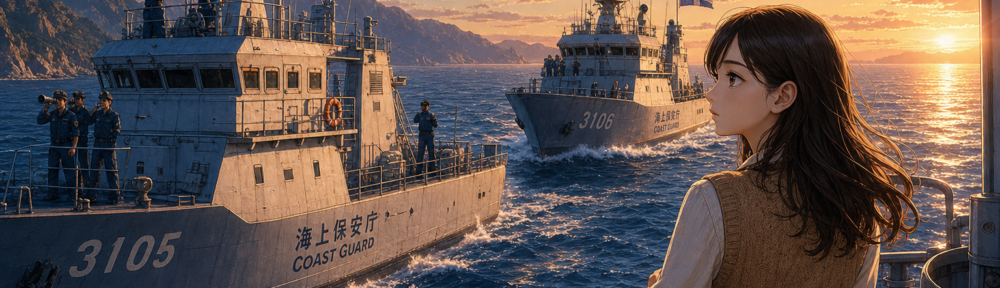
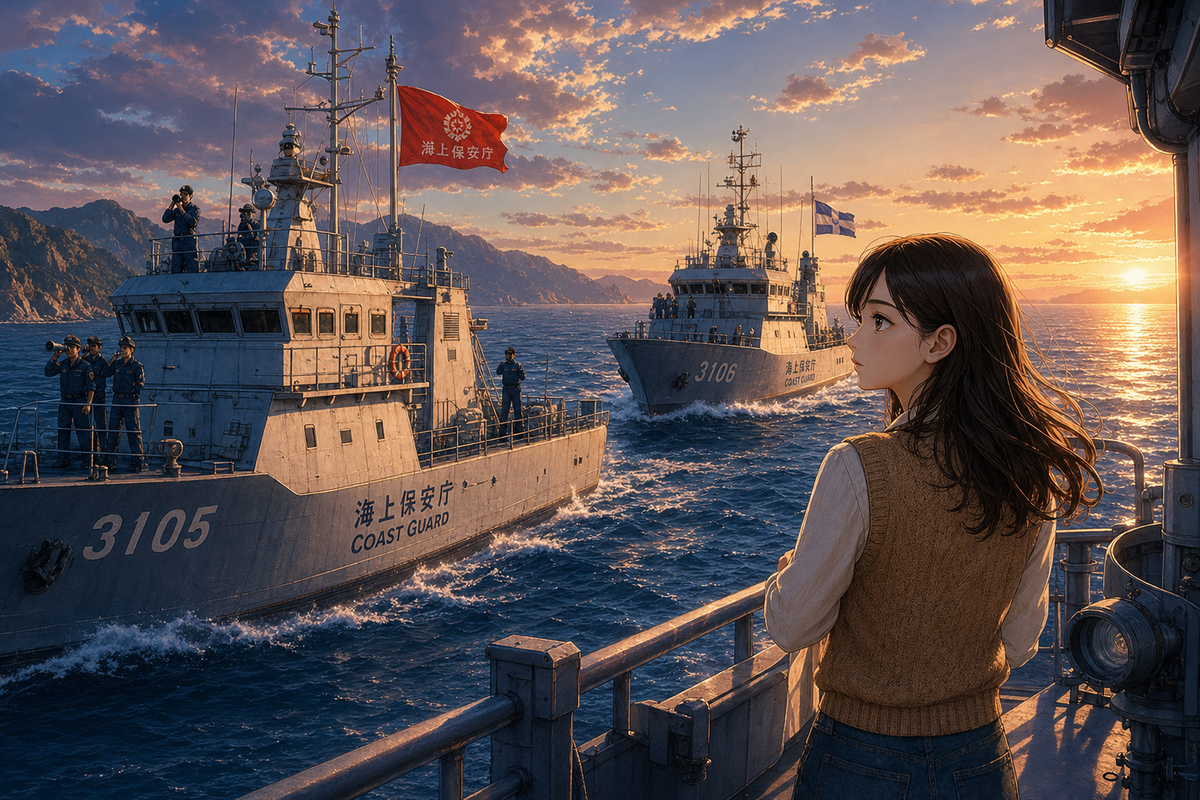
六月一日,中國海警船出現在台灣東側水域,沒有停,沒有離開。根據 StarBoard 海事追蹤數據,這個「出現」延續了整整一個月以上。排班輪換,不是單次事件。
六月二十日,中國官媒 CCTV 關聯帳號「玉淵潭天」發文,把這串巡邏定性為北京視台灣以東海域為「中國近海水域」的體現。措辭是描述,不是警告。好像這件事已經是既成事實,只差觀眾還沒接受。
這是紀錄片裡最難拍的那種時刻——沒有爆炸,沒有士兵衝突,只有一艘船在那裡,反覆在那裡,直到「在那裡」變成某種管轄依據。
地圖上的新語言
六月十六日到十八日,中國自然資源部東海局研究船「向陽紅22號」在台灣東側執行所謂「海洋環境調查」。同一時期,中國海警船在與那國島——日本最西端、距台灣僅一百一十公里——的專屬經濟區內巡邏,對日本海警表示是在「中國台灣以東水域例行執法」。東京稱此為「不可接受」,措辭克制,但用了正式外交語彙。
調查船加巡邏艦加法律術語,三者同步運作,架起的是一套主張體系的地基,不是軍事動作。中國交通運輸部後來公布,在四天的「操作期間」共查驗了一百九十八艘過往船隻、整改三艘違規船舶。把這個數字寫進官方記錄,就是在生產執法的行政痕跡——為往後援引「先例」準備材料。
七月二日,中國自然資源部以英文發布法律意見,警告所有國家不得協助日本與菲律賓進行海界談判,並要求雙方必須與中國磋商。用英文寫,對象是整個國際社會。花蓮以東五十四海里,兩艘 CCG 船依然在位。
從監控到攔截
七月一日,台灣海巡署正式下達書面指令:台灣籍商業船隻若遭中國海警要求登船或臨檢,應予拒絕;若中國船隻試圖強行登船,海巡將以船體物理阻隔方式介入。這是首次對 CCG 干預行為頒布的書面指令——從外交抗議升級到執法對峙,文件化,可存查,有法律效力。
台灣陸委會在七月五日 CCG 第三次東岸巡邏後發聲明:「重複違法行為不會因此合法,也不會獲得國際認可。」這句話說得正確,也說出了問題的結構——重複,正是北京的策略核心。第一次建立先例,第二次確認常態,第三次加上「將強化巡邏」的聲明,等於宣告制度化。
美國、英國、法國、德國、澳洲陸續表達關切,澳洲政府於七月三日正式向北京提出抗議,措辭為「反對任何單方面改變台灣海峽現狀的行動」。這是本輪事件中第一個公開表態的西方盟國。四國反對之後,北京選擇加碼而非收手。
「東邊」是什麼
台灣的西邊是台灣海峽,長期是衝突想像的場景,有飛彈,有戰機,有每年的軍演。台灣的東邊,傳統上被視為安全後方——美軍增援路線、潛艦出口太平洋的門戶、花蓮空軍基地的後勤縱深。
中國正在把這個「安全後方」的概念,從空間屬性重新定義為一個待主張的法律空間。手段是法律戰:先發表法律意見,再以執法行動落地,再以反覆巡邏固化。不開槍,不需要。CCG 的船體在那裡,數據在那裡,198 艘查驗記錄在那裡。
台灣已完成首次「海峽準封鎖」桌上演練,模擬中國 CCG 強制登船及商船被要求申報中國海關的情境。近岸戰鬥指揮部(LCC)已正式組建,雄風飛彈與魚叉飛彈整合至二十四海里防線。這些部署回應的,是一個空間已經在語言層面、在執法層面、在地圖上,正在被改寫的現實。
下一次 CCG 巡邏艦回來,第幾次了。
— 鄭佩玲
East of Taiwan Is Being Rewritten, One Patrol at a Time
On June 1, Chinese Coast Guard vessels appeared in the waters east of Taiwan. Did not leave. According to Starboard Maritime Intelligence tracking data, the presence continued for more than a month straight — a rotating schedule, not a single incident.
On June 20, a CCTV-affiliated social media account declared that these patrols reflected Beijing’s position that the waters east of Taiwan constitute “Chinese coastal waters.” A description. As if the matter were already settled and the audience simply hadn’t caught up.
This is the hardest kind of moment to document — no explosion, no soldiers clashing, just a vessel present, repeatedly present, until presence becomes a jurisdictional argument.
A New Vocabulary on the Map
Between June 16 and 18, a research vessel from China’s Ministry of Natural Resources East China Sea Bureau conducted what Beijing described as “marine environmental surveys” east of Taiwan. Simultaneously, CCG ships entered the exclusive economic zone around Yonaguni — Japan’s westernmost island, just 110 kilometers from Taiwan — and told the Japan Coast Guard operations were “routine enforcement in Chinese waters east of Taiwan.” Tokyo called this “unacceptable,” deploying formal diplomatic language with careful restraint.
Survey vessel, patrol ship, legal terminology — the three operating in parallel form the groundwork for a claims architecture, not a military move. China’s Ministry of Transport later published figures: during a four-day operating window, 198 vessels were inspected and 3 were found in violation. Writing that number into an official record is how administrative precedent gets manufactured — materials for future citation of “established practice.”
On July 2, China’s Ministry of Natural Resources released a legal opinion in English warning all countries against assisting Japan and the Philippines in maritime boundary negotiations, insisting both parties must consult with China. Written in English. Addressed to the international community. Fifty-four nautical miles east of Hualien, two CCG ships remained on station.
From Monitoring to Interception
On July 1, Taiwan’s Coast Guard Administration issued a formal written directive: Taiwanese commercial vessels should refuse CCG boarding and inspection demands; if Chinese vessels attempt forced boarding, CGA ships will physically interpose their hulls. This is the first such written directive against CCG interference — a step from diplomatic protest to enforcement standoff, documented, filed, legally operative.
After the CCG’s third east coast patrol on July 5, Taiwan’s Mainland Affairs Council stated: “Repeated illegal acts do not thereby become legal, nor will gain international recognition.” The statement is correct. Also names the structural problem — repetition is precisely Beijing’s mechanism. The first patrol establishes precedent. The second confirms intent. The third, coupled with an announcement to “strengthen patrols,” signals institutionalization.
The United States, United Kingdom, France, Germany, and Australia have all expressed concern. Australia formally lodged a protest with Beijing on July 3, stating opposition to “any unilateral action to change the status quo in the Taiwan Strait.” That was the first Western ally to go on record. Beijing responded by escalating, not retreating.
What “The East Side” Actually Means
Taiwan’s western flank — the Taiwan Strait — has long occupied the imagination of conflict scenarios: missiles, fighter jets, annual military exercises. Taiwan’s east has traditionally been treated as a secure rear: the corridor for US reinforcements, the exit lane for submarines into the Pacific Ocean, the logistical depth behind the Hualien air base.
Beijing is now working to redefine that “secure rear” as an unclaimed legal space. The method is legal warfare: publish legal opinions first, land enforcement actions next, harden through repetition. No shots fired. The CCG hull is present. The data exists. The record of 198 inspections exists.
Taiwan has completed its first tabletop exercise simulating a “near-blockade” scenario, modeling forced CCG boarding and vessels being required to file with Chinese customs. A Littoral Combat Command has been formally established, integrating Hsiung Feng and Harpoon missiles into a 24-nautical-mile defense perimeter. These deployments are a response to a space that is already being rewritten — in language, in enforcement records, on the map.
When the CCG patrol ships return — and they will — the question is which number patrol this is.
— 鄭佩玲
延伸閱讀
https://justfly.idv.tw/s/2Wdx5ax