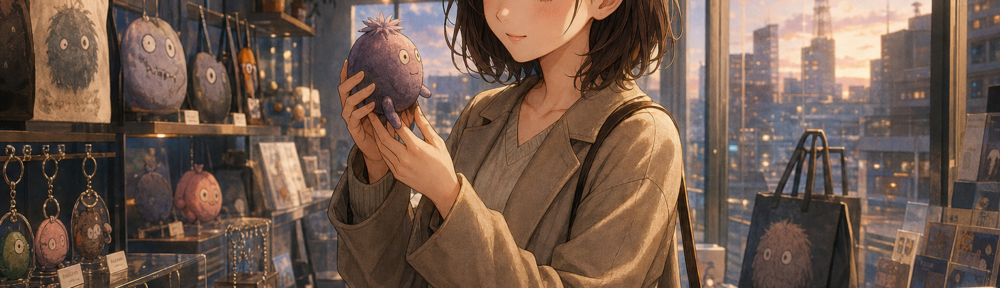
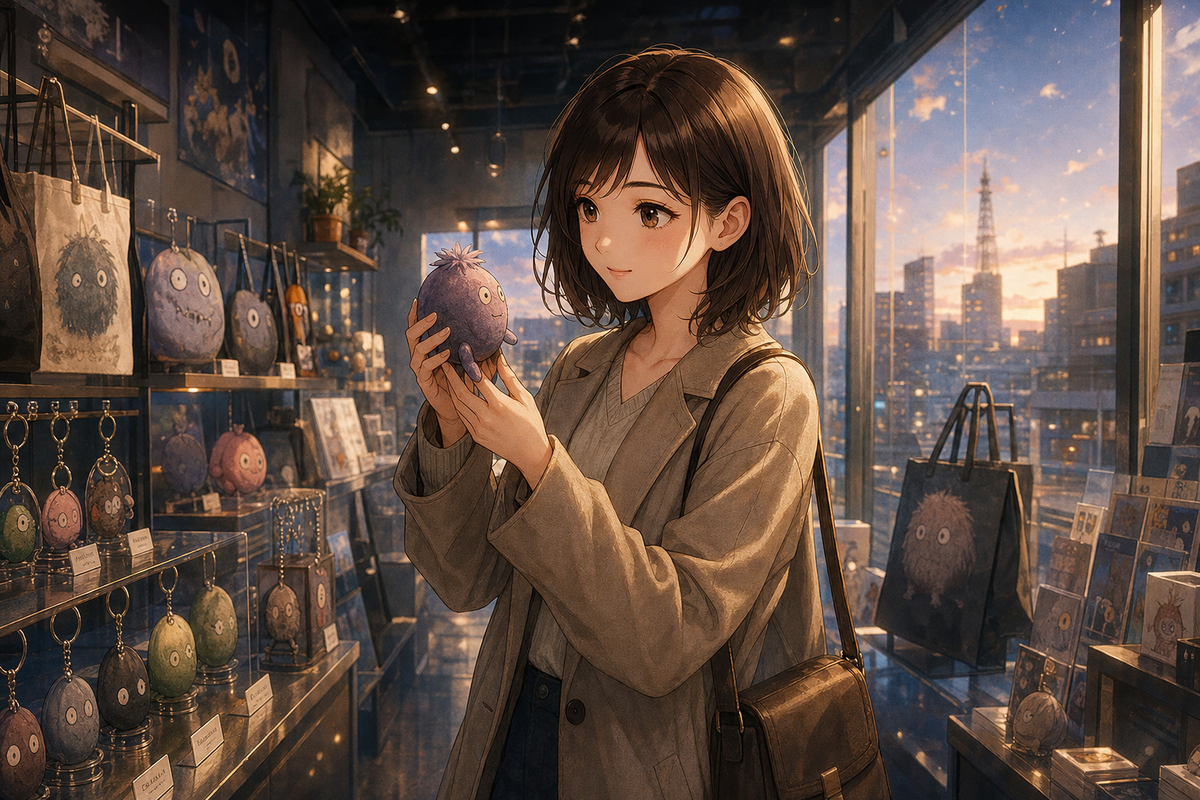
代官山T-SITE的GARDEN GALLERY,架上通常擺的是那種你買回去之後捨不得拆封的東西。2026年6月16日到18日,這個空間裡出現了10組台灣原創角色IP的商品,共約196項,附限定novelty,定價從330到3000日圓。主辦方是日販IPS旗下的日盛圖書,負責在日落地執行;選品由TAICCA輔導甄選。三天。一個精品選物通路。台灣角色。
這個組合乍看很奇怪——代官山不是秋葉原,那裡的客人不是在找周邊,他們在找一種對自己品味的確認。
キモカワ:另一種可愛的語法
「#キモカワ」這個標籤拆開看,是「気持ち悪い(令人不舒服)」加上「可愛い」。日本Z世代用這個詞描述那種有點噁、有點怪、但讓你不由自主想靠近的東西——蛋黃哥的前身,某種邊緣感的萌系變體。台灣這批角色用漢字寫成「怪萌物語」,踩在同一條線上,但脈絡是台灣的:不完美、有點粗、刻意拒絕討喜。
日本可愛文化有非常完整的工業體系,從Hello Kitty到蛋黃哥,都是「異形進入可愛框架」的成熟路徑。台灣這批角色走的不是這條路——它們沒有試圖符合那個框架,而是帶著自己的語法進場。代官山的客人拿起來,說喜歡,沒有問是哪個國家做的。
台灣花三十年學的東西,現在被拿去反向參照
台灣的視覺設計語言有很長一段時間是日本的下游。雜誌排版、角色設定、生活風格美學——這條影響鏈幾乎是單向的。整個市場邏輯就是如此:日本產出標準,台灣接收、消化、本地化。台灣創作者一直都在,只是那個方向從來沒有反過來過。
這次進駐代官山的模式在商業結構上做了一件不同的事:台灣角色的集合體形象直接進駐日本高端選物通路,讓商品在那個語境裡自己說話,而不是把圖案授權給某個日本品牌掛名去賣。TAICCA的甄選提供了策展邏輯,日販IPS的在地網絡提供了執行路徑,但那196件商品擺在架上的時候,沒有任何一件在解釋「這是台灣的東西」——它們就是被挑去賣的東西。
這個差異比聽起來更深。品牌授權是一種許可關係。被通路主動選擇是另一種關係。
「怪萌」能走多遠,還不知道
代官山這三天的快閃是測試,不是結論。S8來源的分析提到,主辦方是台灣方在日的落地窗口,並非T-SITE主動發出邀約——這個細節很重要,因為它說明現在的結構還是台灣方主動推進,日本通路被說服接受,而不是日本通路開始主動尋找台灣角色。
從快閃到常設,從一個通路到多個通路,從日本到其他市場,每一步都有各自的門檻。TAICCA認證加上日販IPS的執行模式若驗證有效,理論上可以複製到其他地點。這次實驗真正在測試的是這套進場模式能不能規模化,角色好不好看反而是其次。
196件商品,330到3000日圓,三天,代官山。軟實力的起點通常小到這種程度——具體到一件東西被人拿起來說喜歡,然後放進購物籃。後來怎麼樣,現在確實還不知道。
— 蔡子涵
Japan’s Taste-Maker Bookstore Is Selling Taiwan’s Weird Stuff
The GARDEN GALLERY inside Daikanyama T-SITE is the kind of space where what’s on the shelf tells you something about who you are for picking it up. From June 16 to 18, 2026, that space held merchandise from 10 Taiwanese original character IP brands — roughly 196 items, including Japan-exclusive products, priced between ¥330 and ¥3,000. Three days. One of Tokyo’s most discerning lifestyle retail destinations. Taiwanese characters.
Daikanyama is not Akihabara. The people who walk into T-SITE are not hunting for merchandise. They are confirming their own taste.
キモカワ Is a Grammar, Not Just a Tag
Break the hashtag apart: kimochi warui (unsettling) plus kawaii (cute). Japanese Gen Z uses it to describe things that are slightly off, slightly wrong, but impossible to leave alone. Taiwan’s lineup entered under the Chinese name 怪萌物語 — Weird Lovely Stories — landing in the same emotional territory but with a different texture: rough edges, deliberate imperfection, no attempt to charm first.
Japan’s kawaii industry has an extraordinarily refined pipeline — decades of converting strange creatures into lovable ones through careful character engineering. This Taiwanese group didn’t enter through that pipeline. They brought their own visual logic. Customers at Daikanyama picked things up, said they liked them. Nobody asked where the things came from.
The Thirty-Year Loop Closing
Taiwan’s visual design culture spent a long time as Japan’s downstream. Magazine layouts, character aesthetics, lifestyle branding — the influence ran almost entirely in one direction. The market logic demanded it: Japan set the standard, Taiwan absorbed and localized. Creators in Taiwan were always there. The direction just never reversed.
What happened at Daikanyama was structurally different. This wasn’t a licensing deal where a Japanese brand gets to use a Taiwanese illustration. This was Taiwanese characters, as a collective, placed inside a high-end Japanese lifestyle retail context — no explanatory label, no country-of-origin marketing. The 196 items on the shelf spoke for themselves. TAICCA provided the curatorial logic; Nippan IPS’s local subsidiary provided the operational infrastructure. But once the goods were on the shelf, they were just goods that got chosen.
The difference between “licensed by” and “chosen for” is not cosmetic.
What the Test Is Actually Testing
Three days in Daikanyama is an experiment, not a verdict. One detail matters here: the organizing structure was initiated from the Taiwan side, through a Taiwan-affiliated operational window in Japan — T-SITE did not go looking for Taiwanese characters. That asymmetry is still in place. Taiwan pushed; Japan accepted. That’s different from Japan actively seeking Taiwan out.
The real question this pop-up is testing is whether the model — TAICCA curation plus Nippan IPS local execution plus high-end lifestyle retail entry — is repeatable at scale. Whether the characters look good is almost beside the point. If the model holds, the path could extend to other venues, other cities, other markets. The soft power implications follow from that, not the other way around.
¥330 to ¥3,000. 196 items. Three days. The thing that actually happened was small and specific: someone in Daikanyama picked up a strange Taiwanese object, said they liked it, and put it in their bag. That’s where this kind of shift starts.
— 蔡子涵
延伸閱讀
https://justfly.idv.tw/s/EXD49ZH