83個月薪水,等於七年不吃不喝。這是桃園、台中兩個美光工會(美光晶圓工會與美光記憶體工會)開出的一次性分紅要求,代表近萬名員工,佔美光台灣約1.5萬名員工的三分之二。訴求還有第二條:把現行獎金制度整個廢掉,改成每年稅後營業利潤15%的永久分配公式。這不是加薪陳情,是一份長期股權式的合約要求。
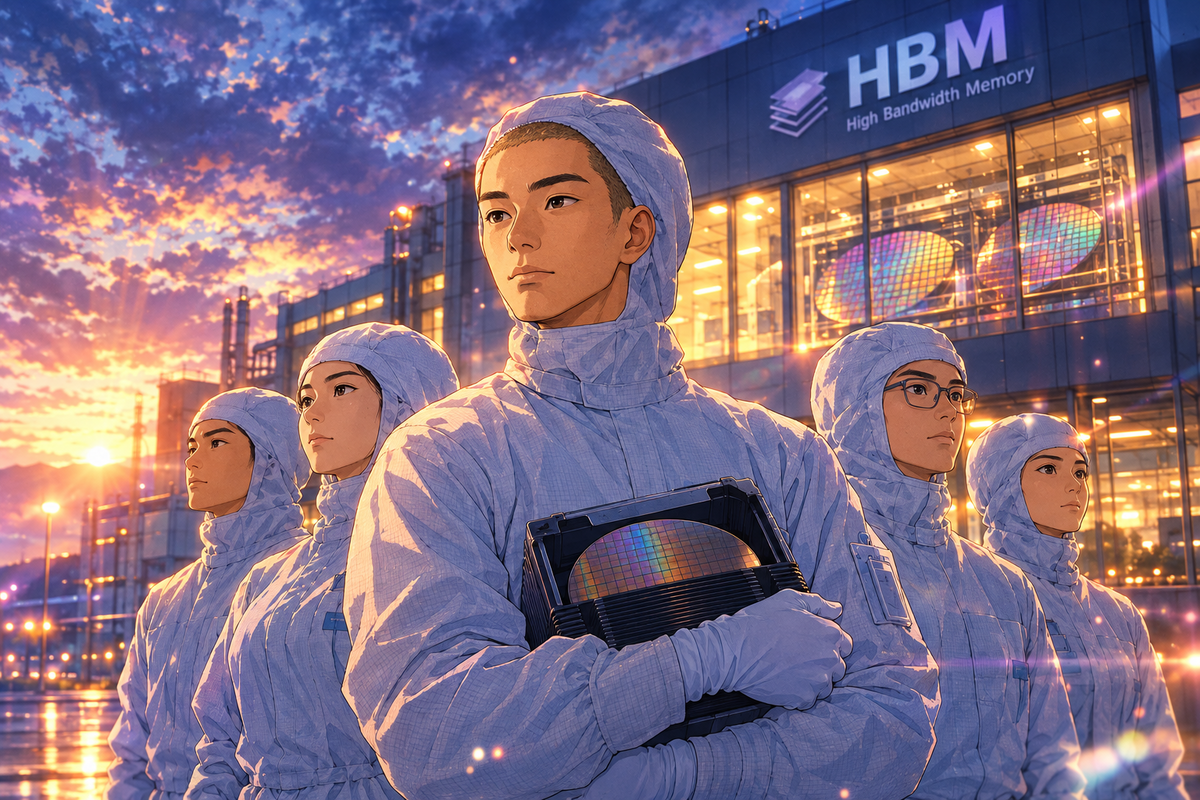
算盤打得很直白。美光2026財年第三季營收414.6億美元,年增345%,淨利282.4億美元,毛利率84.9%,是半導體業單季史上最高的一次。生產線上做的是HBM,高頻寬記憶體,塞進輝達、超微、微軟的AI加速器裡,直接決定ChatGPT能跑多快、Sora能生成多少影片。問題很簡單:晶片讓別人的AI飛起來,錢去了哪裡。
調解破裂,薪酬方案追著工會跑
9月1日,兩個工會宣布醞釀罷工,內部調查顯示八成會員支持。9月4日第一次調解破裂。9月11日,美光宣布FY26全球六萬名員工的薪酬方案——公司史上規模最高,第一次對全體員工發放績效股票。時間點擺在一起看,很難不解讀成直接回應。但台灣工會的說法很冷靜:談判還在進行,方案不等於答案。
台灣勞資爭議法規定,正式罷工投票要超過半數全體會員通過。目前還停在調解階段,真正的攤牌還沒開始。萬一投票通過、罷工成真,桃園和台中的HBM產線一旦停擺,受影響的不只是美光的財報,還有全球AI加速器的出貨時程表——這條供應鏈,平時沒人會想到工廠裡按按鈕、換晶圓的人手上握著多少籌碼。
算力繁榮沒有平分
台灣半導體業的薪資結構本來就是兩極的。半導體均薪與全產業中位數年薪之間差了三倍多,同一個產業內部,還有數十家公司年薪衝不破百萬,台積電工程師與基層工作者之間的落差超過十倍。整體經濟成長數字亮眼,官方預測台灣2026年GDP成長率逼近全球平均的三倍,推手是AI相關出口與投資。可是超過半數勞工的薪資落在平均值以下——成長曲線往上,分配曲線沒有跟著走。 這正是美光工會這次談判的背景板。83個月分紅聽起來像是天價,但擺在單季282.4億美元淨利面前,工會的算法是:這筆錢本來就存在,問題只是分不分。永久性15%利潤分享機制若真的談成,等於是把「景氣循環」寫進合約,不再是老闆年年決定給不給的恩惠。
先例會不會擴散
台灣半導體代工廠掌握全球絕大多數先進製程產能,是這一波AI浪潮最底層的物理基礎。這個位置過去換來的是產業地位與出口數字,很少直接換成生產線員工手上的議價權。美光台灣這次的動作,是這個位置第一次被拿來當談判籌碼用——調解結果會怎麼收尾還沒定案,但六萬人份的全球薪酬方案已經先出手了。這個模式會不會被其他廠的工會學走,是接下來幾季該盯著看的事。
— 吳承翰
83 Months of Pay: Taiwan’s Chip Workers Send AI Wealth the Bill
Eighty-three months of pay. That’s roughly seven years’ salary in one lump sum — the demand from two unions in Taiwan, representing nearly 10,000 workers, about two-thirds of Micron’s roughly 15,000-person workforce there. The second demand cuts deeper: scrap the current bonus system entirely and replace it with a permanent formula — 15% of annual after-tax operating profit, distributed every year, indefinitely. This isn’t a raise request. It’s a bid for a standing claim on the company’s earnings.
The math behind it is blunt. Micron’s fiscal Q3 2026 revenue hit $41.46 billion, up 345% year over year, with net income of $28.24 billion and gross margin at 84.9% — the highest single quarter in semiconductor industry history. These plants make HBM, high-bandwidth memory, the component packed into Nvidia and AMD AI accelerators that decides how fast ChatGPT responds or how many frames Sora can render. The question is plain: the chips make someone else’s AI run. Where did the money go?
Mediation Collapses, Then a Record Pay Package
On September 1, the two unions announced they were preparing to strike; internal polling showed roughly 80% of members in favor. First mediation broke down on September 4. On September 11, Micron announced its FY26 compensation package for 60,000 employees worldwide — the largest in company history, the first time performance stock has been issued to all staff. Line up those three dates and the read is obvious. But the Taiwan unions aren’t calling it a win yet — negotiations, they say, are still ongoing.
Under Taiwanese labor law, a formal strike requires majority approval in a full membership vote. That vote hasn’t happened. Mediation is still the stage everyone’s stuck at. If it does happen and the HBM lines in Taoyuan and Taichung actually stop, the disruption doesn’t stay local — it hits shipment schedules for AI accelerators worldwide. Nobody usually thinks about who’s standing at the fab line swapping wafers. This is the leverage that’s been sitting there the whole time.
The Boom Wasn’t Split Evenly
Taiwan’s semiconductor pay structure has long run on two tracks. Average semiconductor sector pay sits multiples above the median annual salary across all industries — and within the sector itself, dozens of companies still pay under a million NT dollars a year, while gaps between top engineers and entry-level staff run past tenfold. The macro numbers look strong: official forecasts put Taiwan’s 2026 GDP growth near three times the global average, driven by AI-linked exports and investment. But more than half the workforce earns below the average wage. Growth curves up. Distribution curves didn’t follow.
That’s the backdrop for the Micron talks. Eighty-three months sounds absurd until it’s set against $28.24 billion in single-quarter net income. The union’s logic: that money already exists. The only question is whether it gets shared. If the 15% profit-sharing formula actually gets written into contract, the AI up-cycle stops being a bonus management doles out at will and becomes a line item workers are owed every year.
Whether the Precedent Spreads
Taiwan’s chip foundries hold most of the world’s advanced manufacturing capacity — the physical base this whole AI wave runs on. That position has historically translated into export numbers and industry status, rarely into bargaining power on the factory floor. This is the first time that position has been used as direct leverage at the table. How the mediation ends is still open. But the 60,000-person global pay package already moved first. Whether other unions borrow this playbook is the thing worth watching over the next few quarters.
— 吳承翰
延伸閱讀
https://justfly.idv.tw/s/irAgkBL