
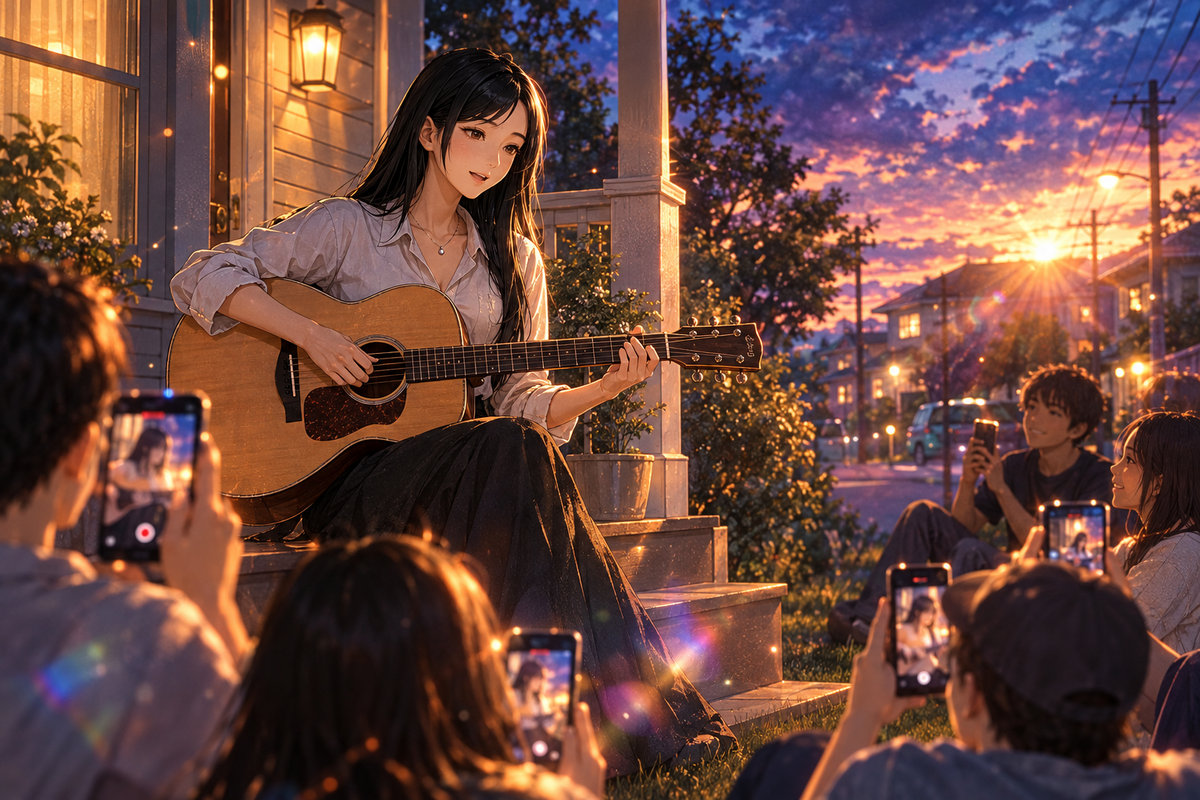
一張大型巡迴演唱會的票,價格連年往上跳,場館租金加保險附帶條款把成本墊得更高。與此同時,有人抱著吉他站在自家門廊唱歌,觀眾坐在草坪上,收音靠手機。這不是退步,另一條路線正在被走出來——現場音樂正在往超市走道、停車場、住宅門廊這些從沒被設計來辦演出的地方搬家。
這類空間有個共通點:不需要提前數月申請,不需要額外的保險附帶條款。一個門廊、一段走道,擺個小音箱就能開唱。天花板也很清楚——消防法規卡著人數上限,鄰居的噪音投訴隨時能讓一場演出提早結束。用規模換取速度,是這樁交易的本質。
病毒傳播比巡迴海報更有效
過去,觸及率跟著場館規模走:場子越大,媒體曝光越多。現在這個公式被打亂了。一場門廊演出被路人錄下來,上傳到社群平台,觸及的人數有時候比一場動輒萬人的巡迴場次還多。行銷邏輯反過來了——不是先砸錢做宣傳再填滿場館,是先有一個夠奇特、夠真實的畫面,讓演算法自己把人帶過來。病毒式行銷已經是巡迴宣傳的主菜,不再只是配菜。
這種轉向並非孤例。串流平台早已把「排行榜」換成「病毒榜」這類即時指標,音樂人的收入焦慮也從版稅分潤低,逐漸轉向現場演出與周邊——這條路徑,台灣的獨立音樂圈其實走過類似的版本。1996年的女巫店,50坪、沒有隔音設備,卻成了另類音樂的聖地;1995年的春天吶喊第一年只有幾百人,後來卻催生出整個台灣音樂節生態。場地小,不代表影響力小,這件事早有前例。
超市和停車場,不只是省錢的替代品
把超市走道當舞台,聽起來克難,但這其實呼應了另一股更大的商業潮流——零售空間正在被重新定義為「場域」而不只是「賣場」。日本超市品牌LOPIA進駐台中百貨時,主打的是「現場料理+即食+文化體驗」的複合模式,貨架效率反而不是重點;Super Junior在台北打造的快閃店概念,也是把「逛超市」變成一種和偶像共同生活的沉浸場景。超市走道能承載音樂表演,某種程度上跟這股「空間即內容」的邏輯是同一件事——只是這次主角換成了獨立音樂人,道具換成了一把吉他和一支手機。
停車場、門廊也是一樣的道理。這些空間原本毫無表演價值,但正因為沒有場館的重裝備與高門檻,反而成了最快能被啟動的舞台。一個平台化的音樂消費環境,獎勵的不再是誰租得起最大的場館,是誰能在最小的空間裡,做出一個讓人想轉發的瞬間。
規模的天花板還在
這條路線不會取代大型巡迴。消防法規和噪音投訴是硬約束,一場門廊演出撐死了容納幾十人,超過這個數字,警察或消防單位就會介入。它解決的是另一個問題:讓演出這件事,重新變成不需要巨額前期投資就能發生的事。門廊、走道、停車場,天花板很低,但門檻也很低——這筆帳,對越來越多獨立音樂人來說,划算。
— 邱珮芸
Live Music Is Fleeing the Arena for Porches and Parking Lots
A stadium tour ticket keeps climbing in price. Venue rental plus insurance riders push costs higher every season. Meanwhile someone is standing on a residential porch with a guitar, an audience sitting on the lawn, sound coming out of a phone speaker. This isn’t a step backward. A different route is being carved out in real time — live music is migrating into supermarket aisles, parking lots, and porches, spaces never designed to host a show.
These micro-venues share a trait: no months of lead time, no insurance riders bolted on. A porch, an aisle, a small speaker — that’s enough to start. The ceiling is just as clear. Fire codes cap the crowd, and a noise complaint can end a set early. Speed traded for scale — that’s the deal.
Going Viral Beats a Tour Poster
Reach used to follow venue size — bigger room, bigger press. That formula is breaking. A porch set gets filmed by a passerby, lands on social media, and sometimes reaches more people than a stadium tour stop. The marketing logic has flipped: instead of spending on promotion to fill a room, a strange enough, real enough moment gets filmed first and lets the algorithm pull the crowd in. Viral marketing has become the main course of a tour’s promotion, not just a side dish.
This shift isn’t isolated. Streaming platforms already replaced sales charts with real-time viral charts, and musicians’ anxiety over thin streaming royalties has been pushing them toward live shows and merchandise for years. Taiwan’s independent music scene lived a version of this before streaming even existed. Witch House, a 50-ping room with no soundproofing that opened in 1996, became a landmark for alternative music. Spring Scream drew only a few hundred people in its first year in 1995 and later helped seed an entire festival ecosystem. Small venue, outsized influence — there’s precedent for that.
The Supermarket Aisle Isn’t Just a Cheap Substitute
Turning a supermarket aisle into a stage sounds like a stopgap, but it echoes a bigger retail trend: commercial space getting redefined as a “field” rather than a shelf. When a Japanese supermarket brand set up inside a Taichung mall, the pitch centered on fresh-cooked food and an immersive cultural feel, with shelf efficiency taking a back seat. A K-pop group’s Taipei pop-up built its whole concept around “living alongside” fans in a mock-supermarket set. A supermarket aisle hosting a live set taps the same logic — space itself as content — just with an indie musician and a phone camera instead of a retail brand.
Parking lots and porches work the same way. They carry zero performance value on paper, but their lack of heavy infrastructure and low barrier to entry make them the fastest stages to activate. A platform-driven music economy no longer rewards whoever can afford the biggest hall — it rewards whoever can produce, in the smallest possible space, one moment worth sharing.
The Ceiling Hasn’t Moved
None of this replaces the arena tour. Fire code and noise complaints are hard limits — a porch show tops out at a few dozen people before the fire department or police show up. What this route solves is different: making a live show possible again without a massive upfront investment. Low ceiling, low barrier. For a growing number of independent musicians, that math works.
— 邱珮芸
延伸閱讀
https://justfly.idv.tw/s/pM8Sdjm