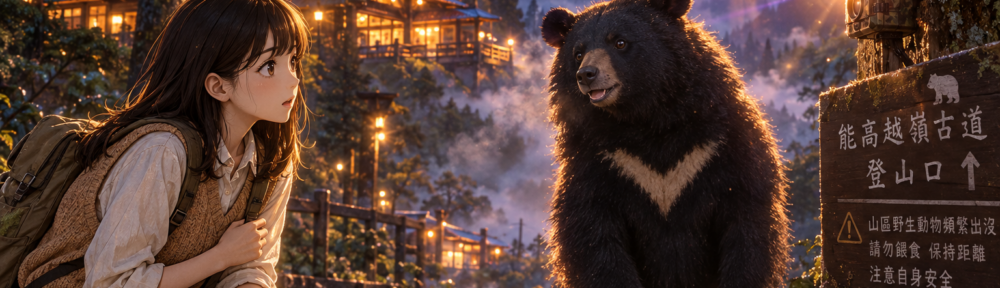
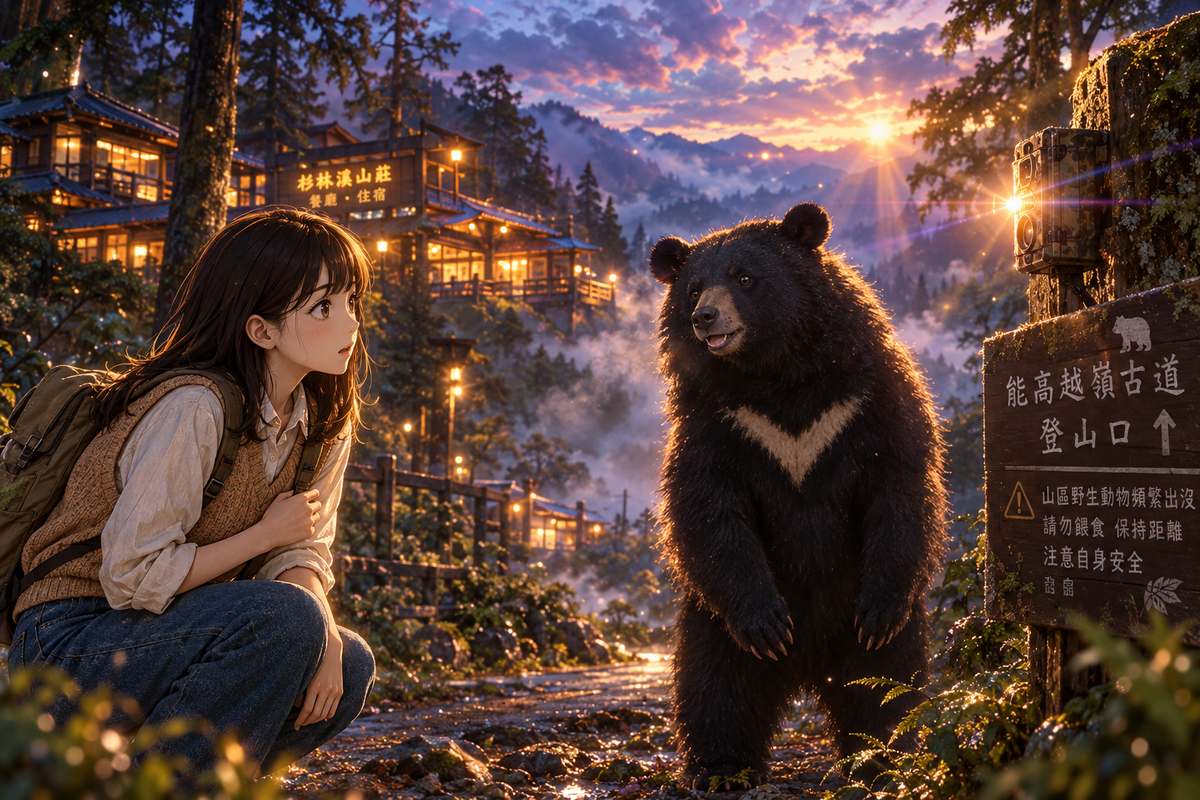
49K,小雪山資訊站旁,西勢山林道入口。一支架在那裡的鏡頭,拍到了一隻台灣黑熊。
九月底公布的這段影像,離餐廳與住宿區不遠。林業及自然保育署台中分署的說法很克制:這是目前監測紀錄中,首次在較接近遊客活動密集區域發現黑熊。以前的紀錄,位置都落在外圍,離遊客主要活動範圍還隔著一段距離。這次隔得少了一點。
鏡頭擺在哪裡,故事就在哪裡
拍紀錄片的行當有個共識:最難的不是等到動物,是把機器擺在牠一定會經過的地方。大雪山的做法從民國113年就開始:在遊客中心、餐廳、住宿區和49K小雪山資訊站周邊設置監測點,系統叫AI防熊預警系統,底層是機器視覺這類技術。
注意它監看的位置。不是深山,不是稜線,是餐廳門口和住宿區旁邊,也就是廚餘和食物味道可能飄出去的地方。台中分署自己的說明寫得很白:設置系統,是為了避免人為活動產生的食物、廚餘吸引黑熊靠近。
鏡頭對著人的地盤,等熊自己走進畫面。
一隻熊的畫面,有多大的分量
台灣黑熊胸前有白色V字紋,是島上最大的食肉動物。全島到底有多少隻,數字一直在變:較早的說法是約200到600隻,今年三月林業及自然保育署公布首次全島初步估算,約1,200隻,並說明年底前會再給更精確的數字。兩個數字差了一倍,確定二字無從談起。
確定的是方向。監測資料顯示,黑熊活動的鄉鎮已從17個擴張到27個,海拔1,200公尺以下的活動點位從78個增加到513個,部分個體進了農地、工寮翻垃圾。族群若在回升,熊就會往人的地方走;大雪山這一格畫面,正好是這條曲線的一個點。
所以這支影像有兩種讀法。保育者看到的是棲地還有熊;餐廳老闆看到的是熊來了。兩種都對。
預警之後,接下來是人的功課
鏡頭只負責看見。看見之後的事,台中分署列了一串很樸素的東西:各步道入口的熊出沒警告牌、高風險區周邊的解說告示牌、遊客進收費站時逐一發放的友善黑熊宣導小卡。近期還會依「人熊衝突應變指引」,針對現場設施與不同情境做遭遇處置演練與應變模擬,建立第一線人員用得上的標準流程。
紙卡、告示牌、演練。AI放在清單最前面,清單其餘部分卻都是人在做。
「AI只拿來聊天、賺錢」的印象,碰到這支影像會有點尷尬。同一類視覺技術,在這裡的工作是替一隻不會讀告示牌的動物,預先留出一點距離。
演練的日期,公告裡只說「近期」。
— 鄭佩玲
The Camera at Dasyueshan Saw the Bear First
49K, beside the Xiaoxueshan information station, at the entrance of the Xishi forest road. A camera mounted there caught a Formosan black bear.
The footage, released at the end of September, was shot not far from the dining and lodging areas. The Taichung Branch of the Forestry and Nature Conservation Agency kept its wording restrained: it is the first time monitoring records show a bear in an area fairly close to where visitors gather. Earlier records all came from the outer zones, some distance from the main visitor areas. This time the distance was a little shorter.
Where the lens sits is where the story happens
Wildlife documentary work comes with a known lesson: the hard part is not waiting for the animal. It is placing the machine where the animal will certainly pass. Dasyueshan began doing that in ROC year 113 (2024), setting up monitoring points at the visitor center, the restaurant, the lodging area and around the 49K station. The system is called an AI bear early-warning system, and it rests on the kind of technology known as computer vision.
Look at where it watches. Not the deep forest, not the ridgeline, but the restaurant door and the lodging area, the places where food smells and kitchen waste can drift out. The Taichung Branch says so plainly: the system exists to keep food and kitchen waste from human activity from drawing bears closer.
The lens faces human territory and waits for the bear to walk into frame.
How much one frame of a bear weighs
The Formosan black bear carries a white V on its chest and is the largest meat-eating animal on the island. The headcount keeps changing depending on the source. An older figure puts the population at roughly 200 to 600. In March this year the agency released its first island-wide preliminary estimate, about 1,200, and said a more precise number would follow before year’s end. The two figures differ by a factor of two, so certainty is off the table.
The direction is clearer. Monitoring data show bear activity widening from 17 townships to 27, and activity points below 1,200 meters rising from 78 to 513, with some individuals entering farmland and work sheds to rummage through garbage. If the population is recovering, bears will walk toward humans. This one frame at Dasyueshan sits on that curve.
So the footage reads two ways. A conservationist sees habitat that still holds bears. A restaurant owner sees a bear that has arrived. Both readings hold.
After the warning, the work falls to humans
The camera only sees. For what comes after, the Taichung Branch lists plain things: bear-warning signs at trailheads, explanatory signs around high-risk areas, and a friendly-bear card handed to every visitor at the toll gate. It also plans drills and scenario simulations based on the agency’s human–bear conflict response guidelines, to build a standard procedure frontline staff can actually use.
Paper cards, signboards, drills. The AI sits at the top of the list, and the rest of the list is humans doing the work.
The notion that AI is only for chatting and making money sits awkwardly next to this footage. Here, the same family of visual technology is doing a different job: buying a little distance, in advance, for an animal that cannot read a signboard.
The announcement gives no date for the drills, only “soon”.
— 鄭佩玲
延伸閱讀
https://justfly.idv.tw/s/1e1k4UN