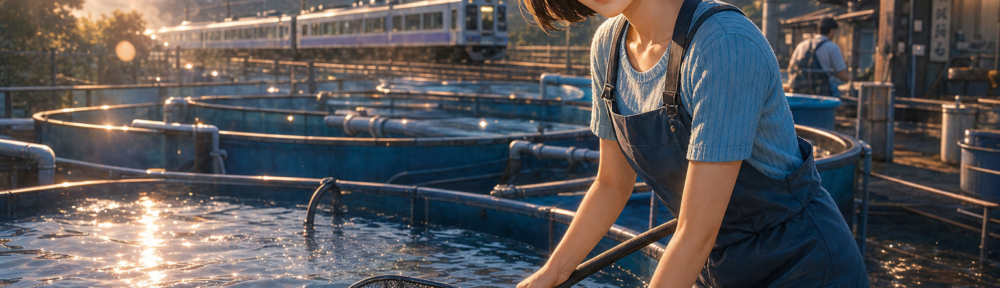
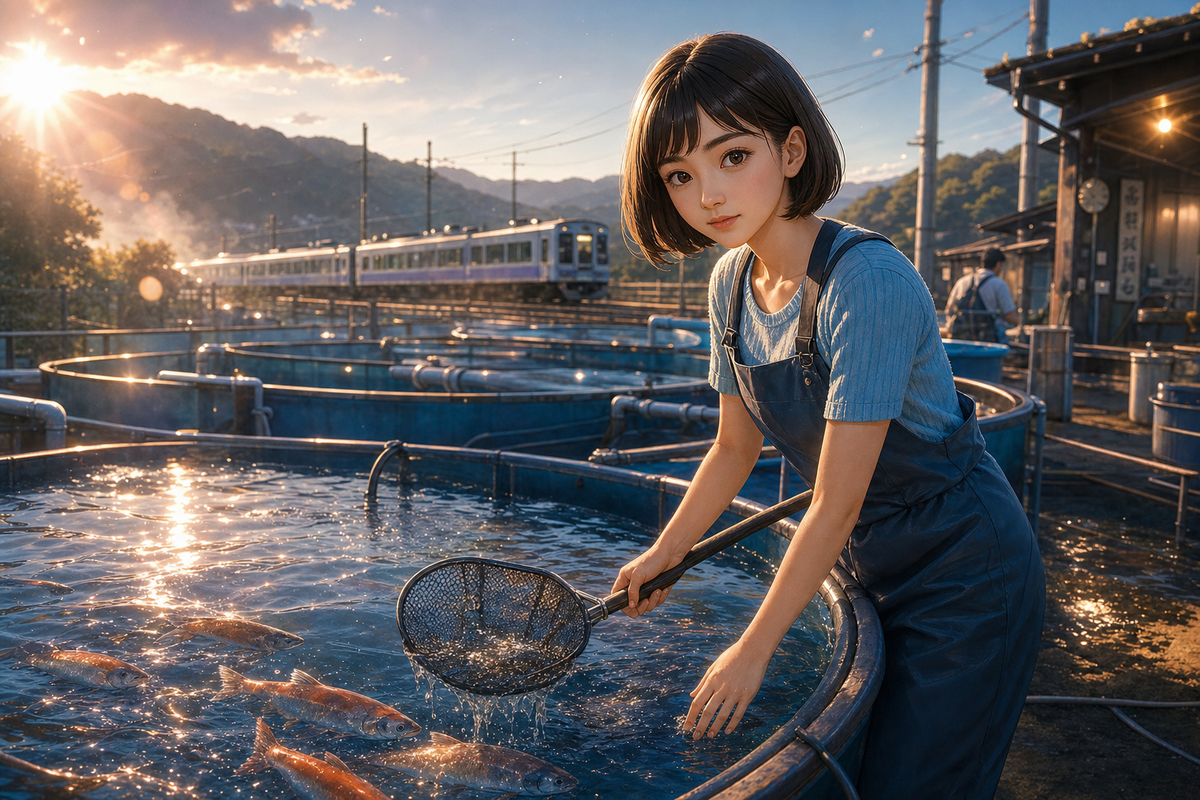
愛媛縣西條市的地下湧水,當地人叫它「うちぬき」,終年水溫穩定,幾乎不需要調控就能直接流入養殖槽。JR四國在這裡養鮭魚,飼料裡摻了嬰兒奶粉,品牌名是「ミルクサーモン」。這條鮭魚不賣給超市,只出現在高松的JRホテルクレメント餐桌上。
先把這件事的荒誕性看清楚:一間鐵路公司,因為載客量不夠,轉去養魚。
赤字的另一面
四國島的人口外流已持續數十年,鐵路運量隨著人口縮減而下滑,票務收入的缺口越來越難用省成本填補。JR四國在鐵道事業之外另起爐灶——住宿特化型飯店在十年內從3家擴至約8家,旗下住宿事業年營收約80億日圓;同步啟動的陸上養殖計畫,把在地湧水變成生產資料。
這兩件事放在一起才讀得出完整邏輯:飯店需要食材,食材從自家養殖場來,養殖場靠在地資源運轉,整條鏈條的每個環節都不依賴外部人流。這在日本地方創生的語境裡有個說法,叫做「六級產業化」——農漁業生產(一級)加上加工(二級)加上服務銷售(三級),整合在同一個主體手上。JR四國的版本是:養殖→料理→住宿,由一間鐵路公司貫穿。
嬰兒奶粉養出來的魚,為什麼重要
「ミルクサーモン」這個品牌名並不高雅,但說清楚了一件事:這條魚有來歷可追。飼料選擇是刻意的差異化動作,陸上循環水養殖本身排除了海水污染與寄生蟲的風險,搭配可命名的在地水源,整套敘事是給飯店餐廳用的,不是給零售貨架的。
食農教育長期強調的一件事,就是「看得見生產者」的溢價從哪裡來。答案不在包裝上貼幾張農場照片,而在生產端有沒有真實的在地嵌入。西條市的湧水不能搬移,JR四國在那裡養的魚也就不能被任何連鎖業者直接複製。這是一種低調的護城河:用地理條件設定的不可移植性。
人流依賴度低,才是真正的創新
日本地方創生政策的一個常見盲點,是把「帶人來」當成唯一解法。觀光客來了就活,不來就死,地方命運被外部需求決定。JR四國這套模型的設計方向恰好相反——住宿特化型飯店鎖定的是商務與長住客,陸上養殖的產出直接進自家廚房,兩者對「旅遊旺季人潮」的依賴都刻意壓低。
這讓整個系統更接近農業的邏輯,而不是觀光的邏輯。農業講求週期穩定、資源自持;觀光講求峰值衝刺、高度波動。用農業邏輯經營的地方事業,虧損的節奏不同,撐過低谷的條件也不同。
屏東竹田頓物驛、嘉義民雄的老字號再造、南投青年赴日見習計畫——台灣這幾年在地方創生的嘗試並不少,但多數仍停留在「辦活動帶人流」的思維。JR四國的案例提供了一個更冷靜的參照:在陸上養殖系統裡,湧水是資產,穩定是指標,人潮是加分項而非必要條件。
鐵路到餐桌,終點不是菜單
JRホテルクレメント高松把自家養殖鮭魚端上桌,這個動作的意義不在那一道菜有多好吃。意義在於,一間本來靠賣票維生的公司,現在可以說:這條魚是自家的。從土地(地下水)、到生產(養殖場)、到服務(飯店餐廳),每個環節都在同一個地方發生,由同一個法人持有。
這種自給自足的微型生態系,在人口繼續流失的前提下,或許是少數能撐下去的結構。因為把對外部條件的需求壓到了最低。
西條市的湧水仍在流。魚還在長。
— 方雨柔
The Railway That Raises Salmon
The groundwater springs of Saijo City in Ehime Prefecture — called uchinuki by locals — maintain a stable temperature year-round, feeding directly into fish tanks with almost no conditioning required. JR Shikoku raises salmon there. The feed contains powdered infant formula. The brand is called “Milk Salmon.” These fish don’t go to supermarkets. They appear only on the tables of JR Hotel Clement Takamatsu.
Worth pausing on the strangeness of that sentence: a railway company, losing passengers, turned to fish farming.
What a Deficit Forces Into Being
Shikoku Island has been losing population for decades. Ridership drops as residents leave. JR Shikoku’s response wasn’t route cuts or headcount reduction — a parallel business built on what the island actually has. The hotel business scaled from 3 properties to roughly 8 over ten years, generating around ¥8 billion in annual revenue. The land-based salmon aquaculture project followed the same logic: use what’s here, make it owned.
The two moves read as a single strategy. Hotels need food. Food comes from the company’s own tanks. Tanks run on local spring water that can’t be relocated. Each link in that chain reduces dependence on factors the company can’t control — tourist seasons, freight routes, external supply chains.
In Japanese regional revitalization policy, this kind of vertical integration across primary production, processing, and services carries the label “sixth industry” — a compound of the first three industrial sectors. JR Shikoku’s version runs: aquaculture → cuisine → lodging, owned end-to-end by one rail operator.
Why the Infant Formula Detail Matters
The brand name “Milk Salmon” isn’t elegant, but does something useful: makes the production process nameable. Land-based recirculating aquaculture already eliminates seawater contamination and parasite risks. Adding a specific, traceable feed ingredient and a named local water source completes a story — one that works for hotel dining rooms, not retail shelves.
Food education advocates have long argued that the premium attached to “visible producers” doesn’t come from farm photos on packaging. Comes from genuine local embeddedness at the production level. The springs of Saijo City aren’t portable. Neither, then, is the salmon. That immobility is the moat — set by geography, not by brand strategy.
Low Footfall Dependency Is the Real Innovation
A persistent blind spot in regional revitalization policy is treating “bring people in” as the only solution. Tourist arrivals as lifeline. JR Shikoku’s model runs in the opposite direction. Accommodation-focused hotels target business and extended-stay guests, not peak-season vacationers. The aquaculture output feeds the company’s own kitchens. Neither leg of the business requires a festival crowd to survive.
That makes the whole system operate more like agriculture than tourism. Agriculture runs on cycle stability and resource self-sufficiency. Tourism runs on peak spikes and high variance. A business built on agricultural logic weathers downturns differently — and on Shikoku, where the demographic math isn’t reversing, that difference may determine what lasts.
The Endpoint Isn’t the Menu
Putting the company’s own farmed salmon on the hotel menu is a statement about structure, not gastronomy. Says: this water is owned, this fish was grown, this meal was cooked, this service was delivered. Every node in that chain sits on the same island, under the same corporate roof.
That kind of closed-loop local ecosystem may be one of the few models that holds in a region where the population decline isn’t stopping. Not because particularly clever. Because keeps the list of things needed from the outside world as short as possible.
The springs in Saijo are still flowing. The fish are still growing.
— 方雨柔
延伸閱讀
https://justfly.idv.tw/s/y6MyzbZ