倫敦、紐約都有台灣刈包了。BAO的隊伍每天午餐時間都繞過街角。這已是相對熟悉的故事——台灣食物進城,外國人買單,文化輸出達成。但BAO創辦人的下一步,瞄準的不是食物本身,而是食物背後那個更難命名的東西。
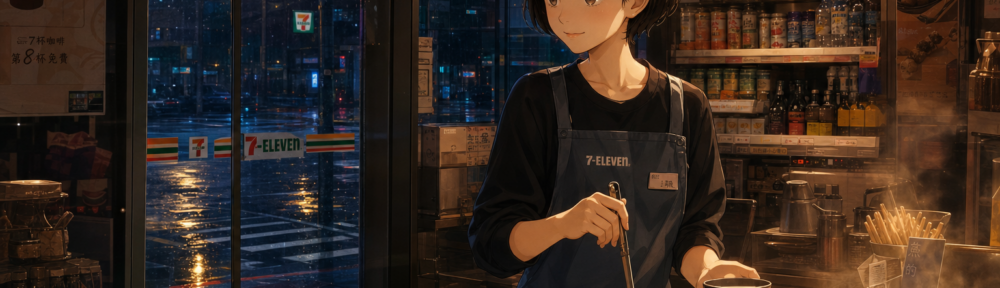
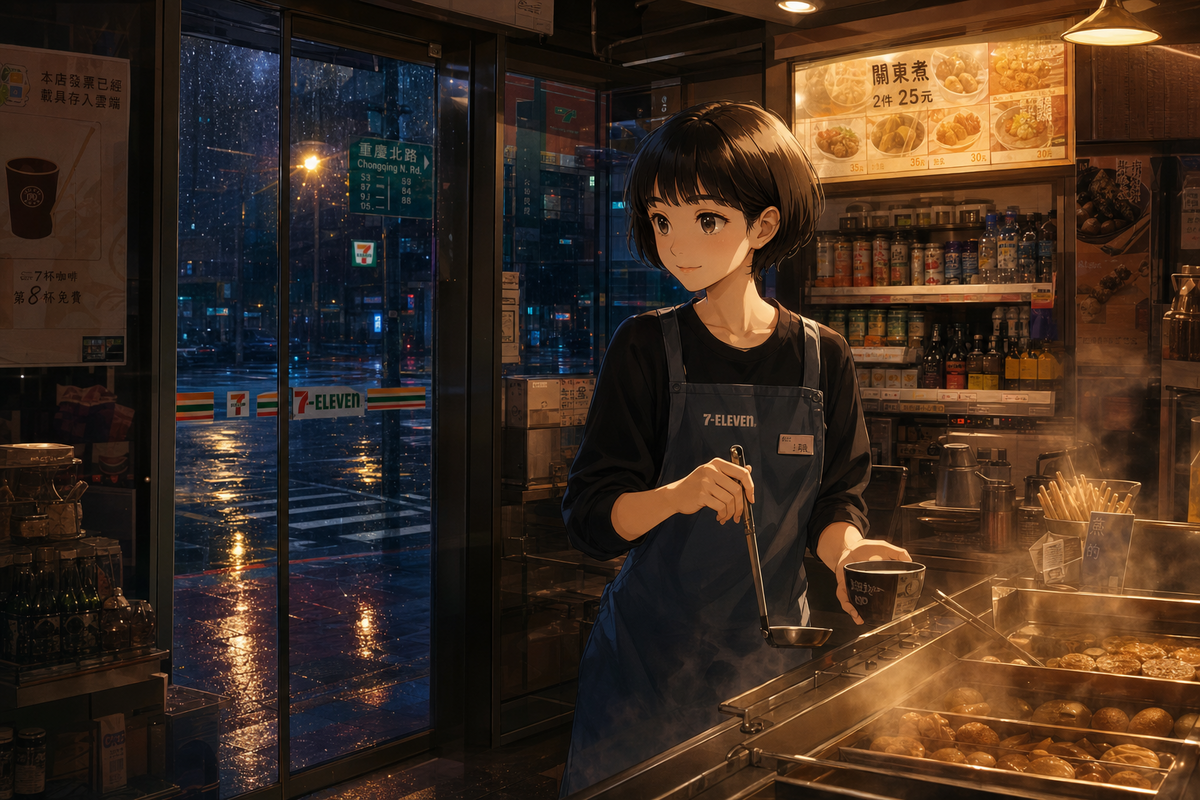
新品牌叫BFF,核心概念是「台灣便利商店精神」。不是FamilyMart的選品策略,不是7-Eleven的加盟模式。是那種凌晨三點肚子餓、剛跟朋友吵完架、或者只是不知道要去哪裡的時候,推開那扇門,燈是亮的,有個人在,這件事本身。
城市孤獨的基礎設施
台灣的便利商店密度,在全球名列前茅。但密度只是外殼。真正讓這個系統成為文化現象的,是服務整合程度——繳費、提款、熱食、快遞、列印,全部在同一個不到一百坪的空間裡解決。這套整合邏輯的結果,是讓「沒有理由不出門」變得成立。一個人住的年輕人,不需要任何藉口,就能有個地方去。
這是台灣都市規劃從來沒有刻意設計、卻真實存在的社會功能。學術界偶爾會討論第三場所的概念——既非家、也非工作場所的緩衝空間。台灣的便利商店早就在做這件事,而且做得比任何咖啡廳都便宜、都無壓力。
BFF想把這個「讓人不孤單」的設計邏輯輸出出去。這個命題,比賣刈包難解釋得多。
軟實力最難翻譯的那一層
台灣的國際形象工程,通常集中在幾個可見的座標:故宮的文物、夜市的煙火氣、科技業的供應鏈地位。這些都可以拍成紀錄片、放進博覽會展架。但便利商店解決城市孤獨這件事,幾乎沒有進入國際文化討論的框架。
部分原因是太日常。太日常的事情很難被當成文化資本提案。另一個原因是,這個邏輯在移植時非常脆弱——選品可以複製,很難複製那個願意跟人多說兩句話的店員,或者那個讓人站著吃完一個關東煮也不覺得被趕走的空間感。
BFF的挑戰,恰恰在這裡。把「氛圍」做成品牌,是餐飲業最昂貴的賭注之一。BAO在倫敦和紐約建立的,是一種對台灣飲食的感知與信任;BFF要建立的,是對一種台灣式待人邏輯的感知與信任。前者可以靠食物本身說話,後者得靠空間、節奏、人。
輸出的是一種假設
「台灣便利商店精神」作為品牌命題,背後有一個關於都市生活的假設:城市讓人孤獨,而好的空間可以系統性地對抗這件事。這個假設在台北成立,在東京也成立,在倫敦是否成立,是BFF這個實驗真正在測試的問題。
倫敦的深夜有其他孤獨的解法——pub文化、24小時的炸雞店、凌晨還開著的土耳其烤肉攤。這些都有自己的社群功能。BFF進場,帶來的是另一種答案。倫敦本來就有答案,只是答案的方式不同——這在文化輸出裡是最難站的位置。
刈包在倫敦成功,部分是因為倫敦沒有刈包。便利商店精神在倫敦能否成功,難度完全不在同一個數量級。
這個實驗值得旁觀
台灣軟實力的討論,通常停在「台灣有什麼」這一層。BFF提出的問題更有意思:台灣有一種「讓人不孤單」的空間邏輯,這個邏輯有沒有辦法在台北以外的城市落地、被陌生人感受到?
答案還沒有。但這個問題本身,已經比大多數文化輸出計畫更誠實——承認輸出的不只是商品,還有一套對城市生活的假設,而那套假設需要被當地人接受,才算真正抵達。
— 陳映彤
Taiwan’s Softest Power Lives at 3 AM in a Convenience Store
BAO’s queues in London and New York have been winding around the block for years now. Taiwanese gua bao made it abroad. The story has been told. But the founders’ next move targets something much harder to package: not a dish, but the logic behind a dish — the logic of a space that makes one feel less alone at 3 AM.
The new brand is called BFF, and its core concept is the spirit of the Taiwanese convenience store. Not the product selection, not the franchise model. The specific thing being chased is what happens when pushing open a door at 3 AM, stomach empty, nowhere else to go — and there are lights on, and someone’s there.
Infrastructure Against Loneliness
Taiwan’s convenience store density ranks among the highest in the world. But density is just the shell. What made this a cultural phenomenon is the depth of service integration — bill payments, ATMs, hot food, parcel pickup, printing, all under one roof smaller than most Western apartments. The outcome of this integration is that there’s no reason not to leave the house. A young person living alone doesn’t need a reason or a plan. There’s somewhere to go.
This is a social function Taiwan’s cities never deliberately designed into their zoning but built anyway. Urbanists occasionally invoke the concept of the third place — the buffer zone between home and work. Taiwan’s convenience stores have been doing this job for decades, at lower pressure and lower cost than any café.
BFF wants to export that logic. The pitch is harder to explain than a bun.
The Layer That Doesn’t Translate
Taiwan’s international image typically clusters around legible coordinates: National Palace Museum artifacts, night market energy, semiconductor supply chains. These photograph well. They fit expo panels. The idea that a convenience store is anti-loneliness infrastructure has almost never entered the international cultural conversation.
Part of the reason is that it’s too ordinary. Ordinary things resist being pitched as cultural capital. Another reason is that the logic is fragile in transit — the product mix can be copied, but replicating the clerk who makes small talk, or the floor space that doesn’t make one feel chased out for standing around, is a different order of difficulty.
That’s exactly where BFF’s challenge sits. Turning an atmosphere into a brand is one of the most expensive bets in hospitality. BAO built a trust around Taiwanese food; BFF is trying to build a trust around a Taiwanese way of treating strangers. Food can speak for itself. Space and rhythm cannot.
An Export That Bets on a Hypothesis
The “Taiwanese convenience store spirit” as a brand premise rests on a hypothesis about urban life: cities make inhabitants lonely, and well-designed spaces can push back against that systematically. The hypothesis holds in Taipei. It holds in Tokyo. Whether it holds in London is what this experiment is actually testing.
London already has its own answers to late-night loneliness — pub culture, 24-hour chicken shops, kebab stands that stay open until sunrise. These carry their own community functions. BFF isn’t filling a vacuum. It’s arriving in a market with existing answers and proposing a different one. In cultural export terms, that’s the hardest position: bringing not something the market lacks, but something the market already has, differently.
Gua bao succeeded in London partly because London had no gua bao. The soft power of a convenience store ethos faces a completely different order of resistance.
Worth Watching
Most conversations about Taiwanese soft power stop at the inventory — what Taiwan has. BFF is asking a more interesting question: does a Taiwanese spatial logic for combating loneliness work somewhere that isn’t Taipei? Can strangers elsewhere feel it?
That answer isn’t in yet. But the question is more honest than most cultural export campaigns — admitting that what’s being exported isn’t just a product, but a hypothesis about how cities should treat inhabitants. And that hypothesis needs local acceptance to count as arrival.
— 陳映彤
延伸閱讀
https://justfly.idv.tw/s/3pYBoWp