23萬人次之後,下一站的問題
《原初.未來.森》在日本累積23萬人次朝聖,這數字先擺著。展覽結束後,巡迴通常有個預設答案:東京、首爾、上海,任選一個亞洲文化重鎮。結果亞洲首站落在台北忠泰美術館,時間點又剛好卡上忠泰十週年。這不是隨機抽籤,策展選址從來不是。
老屋改造現場常遇到一種狀況:結構技師評估一棟房子能不能保留,看的不是外牆漂不漂亮,是地基與樑柱的承重紀錄——場館口碑也是這樣算的,不是靠一次曝光,是靠長期承接國際級展覽留下的紀錄。忠泰美術館過去十年辦過的展覽,就是這份承重紀錄。
藤本壯介的語言,跟台北對得上話
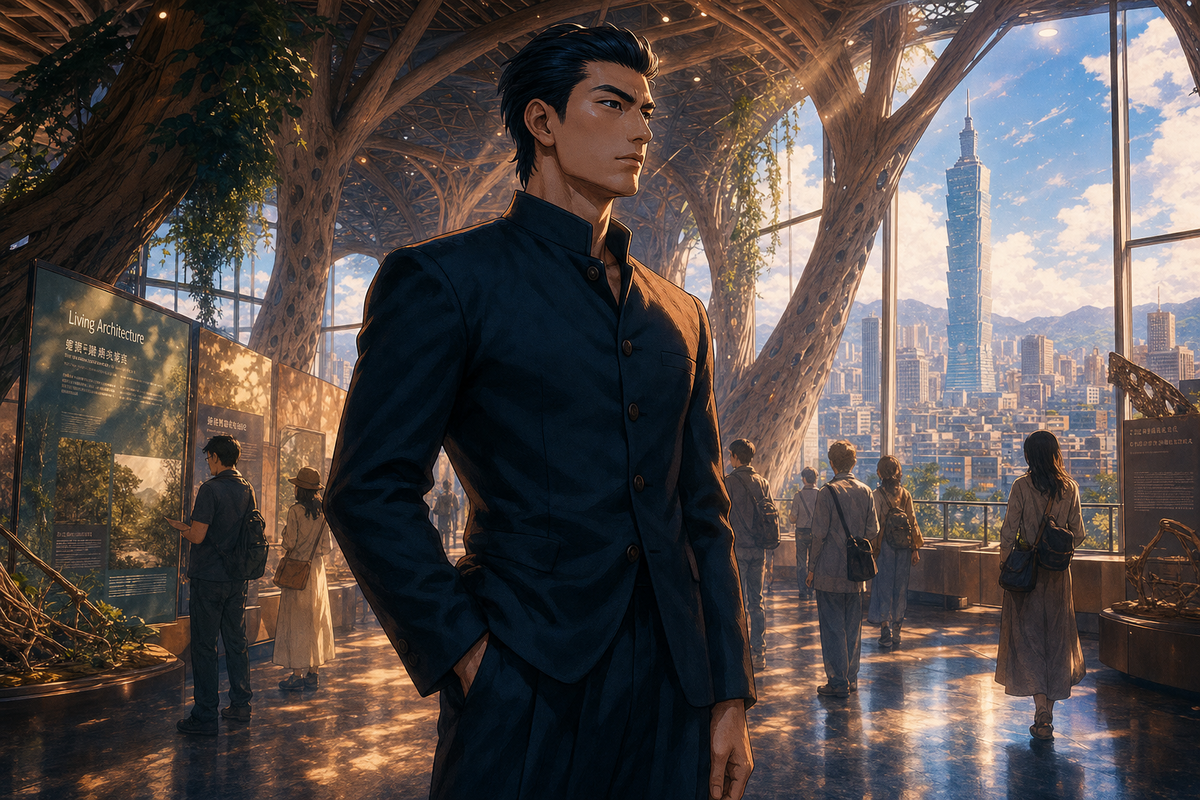
藤本壯介的建築語彙一直圍繞著有機形式與原始森林意象,再疊上一層未來主義的骨架——這種語言不是隨便哪座城市都接得住。藤本壯介擅長的,是把自然生長的邏輯灌進人造結構裡,讓建築看起來像是自己長出來的,而不是被蓋出來的。台北這座城市本身就有大量新舊並置、違章與規劃夾雜生長的紋理,那種「有機」不是策展詞彙,是走在巷子裡就能看到的真實密度。
把一個強調森林意象與未來感的展覽放進這種城市紋理裡,呼應是自然發生的,不需要靠文案硬拗。
選址背後,不只一個原因
亞洲巡迴首站放台北,牽涉的因素不會只有一條。台灣近年策展場館與美術館的國際合作紀錄持續增加,加上地理上鄰近日本、文化語境相通、觀眾對當代建築展的接受度已經被過去多檔展覽養起來——這幾個條件疊在一起,才讓台北進了候選名單的前段班。不是台北比東京更懂建築,是台北剛好同時滿足了場館信譽、地緣距離與觀眾基礎這三個門檻。
忠泰美術館這十年做的事,某種程度上像是替一棟老屋做結構補強:先確認地基能撐,才敢往上加蓋更大膽的樓層。國際策展方要下注一個亞洲首站,賭的不是展覽本身多吸睛,是這個場館過去有沒有把類似規格的展覽穩穩地辦完、辦好。
森林意象與這座城市的距離
藤本壯介的作品常被形容成「像森林一樣的建築」,樹枝狀的結構、模糊的內外邊界、讓使用者自己在空間裡找路徑。這種設計哲學跟台北的城市性格有種奇妙的疊合——這座城市本來就習慣讓人在巷弄裡自己摸索路徑,不靠棋盤式的清楚指引。
忠泰十週年選在這個時間點接下亞洲首站,等於把過去十年累積的策展信譽,一次攤在國際巡展的地圖上。展覽會巡到哪個下一站,目前還沒有答案。能確定的,是23萬人次這個數字已經寫進紀錄,接下來輪到台北的觀眾用腳投票。
— 洪俊傑
Sou Fujimoto Picked Taipei Over Tokyo—Here’s the Case
After 230,000 Visitors, the Question of What’s Next
Primordial Future Forest drew 230,000 visitors in Japan. That number sits there first. After a run like that, touring logic usually defaults to the obvious answer—Tokyo, Seoul, Shanghai, pick a heavyweight. Instead the Asia leg opens in Taipei, at Jut Art Museum, timed to coincide with the museum’s tenth anniversary. Not a coin flip. Venue selection for a show like this never is.
Adaptive reuse projects run into a familiar test: a structural engineer doesn’t judge whether an old building can be kept based on how the facade looks, but on the load-bearing record of its beams and foundation. Museum reputation works the same way. It’s not built on one high-profile show—it’s built on a decade of hosting international-tier exhibitions and delivering.
Fujimoto’s Vocabulary Matches Taipei’s Grammar
Sou Fujimoto‘s architectural language keeps returning to organic form layered with primeval-forest imagery, then wrapped in a futurist frame—not every city can absorb that vocabulary. Fujimoto’s signature move is grafting the logic of natural growth onto built structure, so a building reads as something that grew rather than something that got assembled. Taipei already carries that texture at street level: old construction and new, planned blocks and unplanned alleys, layered growth visible just by walking a lane. The overlap with a forest-themed, future-facing exhibition isn’t a curatorial stretch. It’s already there.
More Than One Reason Behind the Pick
An Asia-first stop in Taipei rarely comes down to a single factor. Taiwan’s museums and exhibition venues have kept building a track record of international partnerships in recent years, geography keeps Taiwan close to Japan, cultural context overlaps, and local audiences have been primed by a string of prior contemporary-architecture shows. Stack those conditions together and Taipei lands near the top of the shortlist. Not because Taipei understands architecture better than Tokyo—because Taipei happens to clear three thresholds at once: venue credibility, geographic proximity, audience readiness.
What Jut Art Museum has done over ten years resembles structural reinforcement on an old building—confirm the foundation holds before adding a bolder floor on top. When an international touring exhibition bets its Asia debut on a venue, the bet isn’t on how photogenic the show is. It’s on whether that venue has quietly delivered shows at this scale before, and finished the job.
Forest Logic, City Distance
Fujimoto’s work is often described as forest-like architecture—branching structures, blurred boundaries between inside and outside, spaces that ask users to find their own path rather than follow a marked route. That design philosophy overlaps oddly well with how Taipei already functions: a city that expects navigation of its lanes by instinct, not by grid logic.
Landing the Asia opener in a tenth-anniversary year puts a decade of curatorial credibility directly onto the touring map. Where the show heads next isn’t settled yet. What’s on record is 230,000 visitors in Japan—and now it’s Taipei’s audience turn to vote with their feet.
— 洪俊傑
延伸閱讀
- 赤峰街小店搬去承德路,那杯咖啡的味道會留下嗎
- 大洲臥龍山莊以外:一張和紙,把台灣策展人帶進城下町
- 台鐵排骨便當開盒:先炸後滷的那一塊肉
- 新井耕吉郎紀念碑,立在一杯紅茶的源頭
- mysql2 讀 DATETIME 差 8 小時,一行 timezone: ‘Z’ 解決
https://justfly.idv.tw/s/ZuAJcro