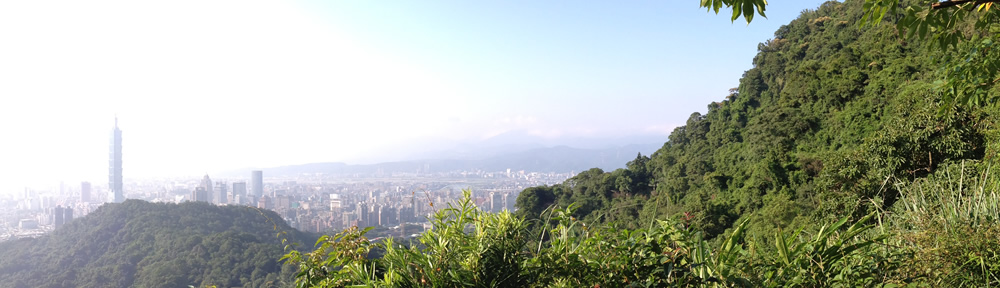
NVIDIA 宣布在台北設立全球總部的那個下午,日本經濟產業省正在東京召開第三次主權 AI 緊急會議。議題只有一個:如何填補 6 兆日圓的數位赤字。兩件事看似無關,實則指向同一個現實——全球 AI 競賽的勝負,最終取決於誰能拿到晶片。
代工市佔 54.2%,三星連一半都不到
TSMC 在 2025 年全球晶圓代工市場的佔有率是 54.2%。三星排第二,17.3%。這不是領先,是壟斷。當 TSMC 在 2026 年 3 月市值突破 2 兆美元時,全世界才驚覺一件事:AI 算力的瓶頸不在演算法,不在資料,在製程。
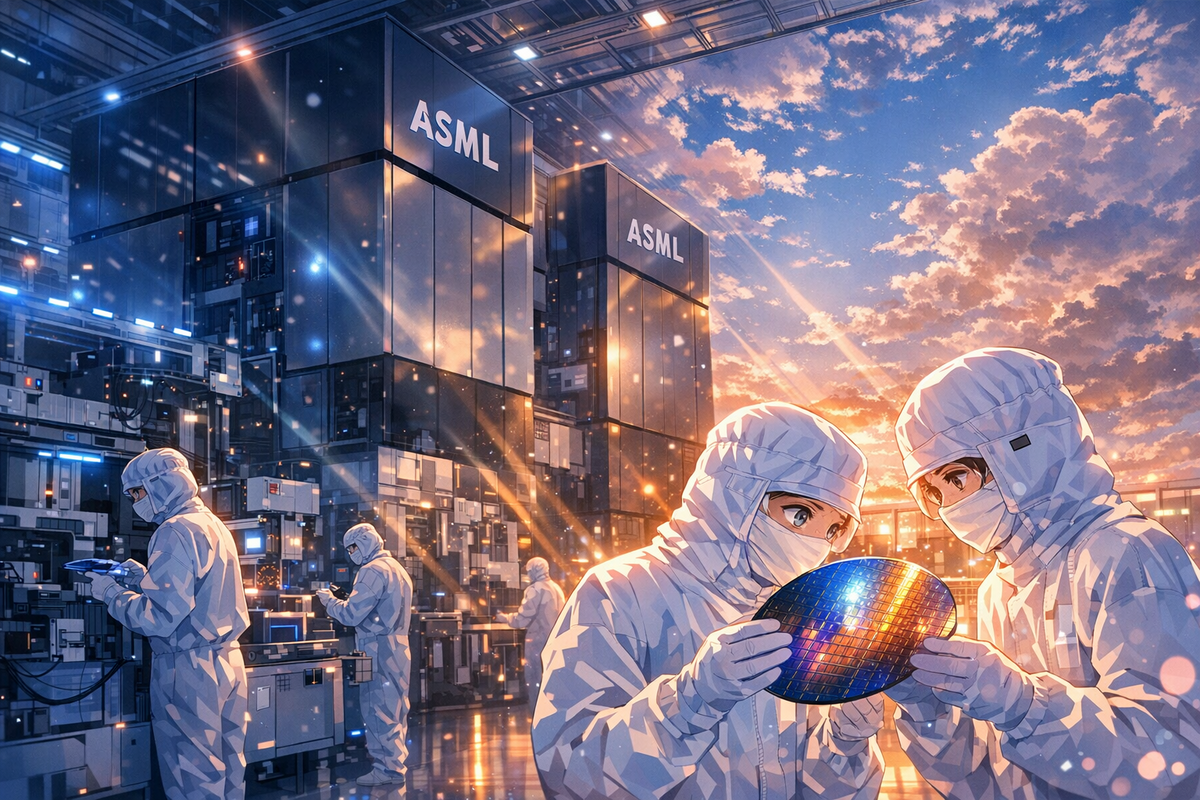
黃仁勳為什麼選台北?因為 NVIDIA 每一片 H100 晶片都得仰賴 TSMC 的 4 奈米製程。每片報價超過 25,000 美元,交貨期排到六個月後。設計在加州完成,但沒有新竹的 Fab 18,這些晶片只是電路圖。Morris Chang 在 1987 年創立 TSMC 時首創的「純晶圓代工」模式,三十八年後成了全球 AI 軍備競賽的咽喉。
日本的 6 兆日圓焦慮
日本政府推主權 AI 戰略,表面上是要減少對美國雲端服務的依賴,實際上是因為算不過帳。每年 6 兆日圓的數位服務逆差,超過三分之一流向 AWS、Azure、Google Cloud。但雲端服務只是表象,真正的問題是日本沒有先進製程晶片產能。
TSMC 熊本廠在 2024 年開始運營,生產的是 28 奈米到 12 奈米的成熟製程——夠做車用晶片和工業控制器,但跑不動大型語言模型。東京很清楚,主權 AI 如果沒有主權算力支撐,就只是資料中心裡的租戶。這也是為什麼日本願意砸錢補貼 TSMC 赴日設廠,哪怕拿到的只是二線製程。
美國出 520 億也要分散風險
美國 CHIPS Act 投入 52 billion 美元半導體補貼,目標之一就是吸引 TSMC 到亞利桑那州。TSMC 承諾投資 65 billion 美元建設兩座先進製程廠,預計 2025 年開始量產 3 奈米晶片。但即使如此,台灣仍然掌握全球 72% 的晶圓代工產能。
這就是「單點失效風險」(single point of failure)的現實版本。如果台海發生任何地緣政治變動,全球 AI 產業鏈會在 72 小時內停擺。華盛頓的焦慮不是技術落後,是供應鏈太集中。但錢可以蓋廠房,蓋不出三十年累積的製程know-how 和上下游生態系。從設備、材料、製造到封測,台灣已經形成全球最完整的半導體供應鏈——這不是一兩個工廠能複製的。
從代工島到規則制定者
台灣在 AI 時代的戰略地位,長期被一個過時的標籤掩蓋:代工島。但當 TSMC 的營收在 2025 年達到 753.8 億美元、年增 32%,當 NVIDIA 把全球總部設在台北,當日本、美國、歐盟排隊來台談晶片供應協議,這個島嶼早已不只是執行別人設計圖的工廠。
掌握先進製程,就是掌握 AI 算力的分配權。誰能優先拿到 3 奈米產能,誰就能在大模型競賽中領先半年。這是標準制定者才有的籌碼。
— 吳承翰
延伸閱讀
When NVIDIA Chose Taipei: The Chip War Nobody Talks About
The afternoon NVIDIA announced its global headquarters in Taipei, Japan’s Ministry of Economy, Trade and Industry was convening its third emergency meeting on sovereign AI in Tokyo. One agenda item: how to close a 6 trillion yen digital deficit. Two seemingly unrelated events, both pointing to the same reality — the AI race will be won by whoever controls the chips.
54.2% Market Share, Samsung Not Even Half
TSMC held 54.2% of global foundry market share in 2025. Samsung came second at 17.3%. This isn’t leadership. It’s monopoly. When TSMC’s market cap crossed $2 trillion in March 2026, the world realized something: the bottleneck in AI compute isn’t algorithms or data. It’s fabrication.
Why did Jensen Huang choose Taipei? Because every H100 chip depends on TSMC’s 4nm process. Each one costs over $25,000, with delivery times stretching six months. Design happens in California, but without Fab 18 in Hsinchu, those chips remain circuit diagrams. The pure-play foundry model Morris Chang pioneered when he founded TSMC in 1987 has become, thirty-eight years later, the chokepoint of the global AI arms race.
Japan’s 6 Trillion Yen Anxiety
Japan’s sovereign AI strategy ostensibly reduces dependence on American cloud services. The real reason? The math doesn’t work. A 6 trillion yen annual deficit in digital services, over a third flowing to AWS, Azure, and Google Cloud. But cloud services are symptoms. The actual problem is Japan has no advanced-node chip capacity.
TSMC’s Kumamoto fab started operations in 2024, producing 28nm to 12nm mature processes — sufficient for automotive chips and industrial controllers, but inadequate for large language models. Tokyo knows that sovereign AI without sovereign compute is just being a tenant in someone else’s data center. Hence the subsidies to bring TSMC to Japan, even for second-tier processes.
America Spends $52 Billion to Diversify Risk
The U.S. CHIPS Act allocated $52 billion in semiconductor subsidies, with a key goal of attracting TSMC to Arizona. TSMC committed $65 billion to build two advanced fabs, expected to start 3nm production in 2025. Yet Taiwan still commands 72% of global foundry capacity.
This is single point of failure in its literal form. Any geopolitical disruption across the Taiwan Strait would halt the global AI supply chain within 72 hours. Washington’s anxiety isn’t about falling behind technologically — it’s about concentration. Money can build fabs, but it can’t replicate thirty years of process know-how and ecosystem integration. From equipment and materials to manufacturing and packaging, Taiwan has assembled the world’s most complete semiconductor supply chain. That’s not something a couple of factories can duplicate.
From Contract Manufacturer to Rule Maker
Taiwan’s strategic position in the AI era has long been obscured by an outdated label: contract manufacturing island. But when TSMC’s 2025 revenue hit $75.38 billion (up 32%), when NVIDIA established its global HQ in Taipei, when Japan, the U.S., and the EU queue to negotiate chip supply agreements, this island ceased being merely a factory executing others’ blueprints.
Controlling advanced nodes means controlling AI compute allocation. Whoever gets priority access to 3nm capacity leads the foundation model race by six months. That’s the leverage of a standard-setter, not a service provider.
— 吳承翰