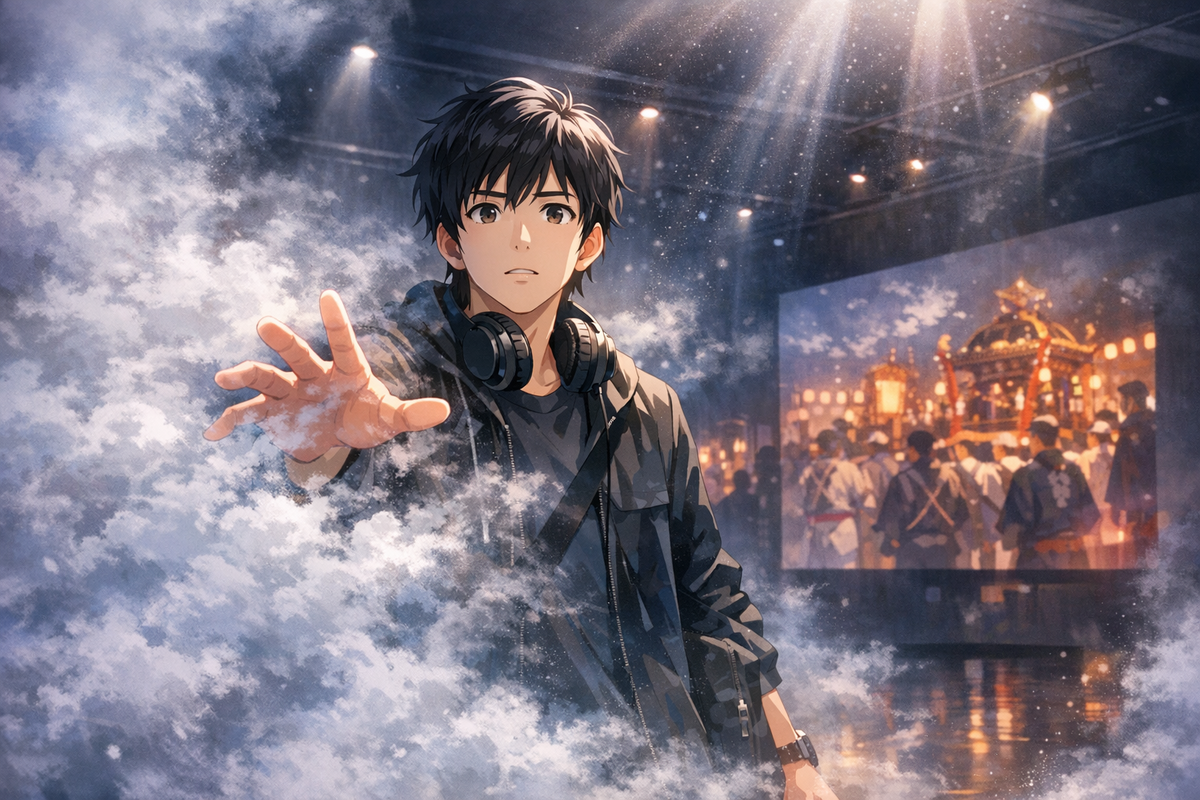
展場入口沒有神像,只有一道半透明的煙霧牆。伸手穿過,指尖沾上微涼的水氣,混著檀香和紙灰的氣味——那是我在東港迎王祭典現場收錄過的味道。
屏東王船文化館近期的特展,把我過去三年在田野採集的聲音記憶具象化了。策展團隊設計的動線沒有解說牌告訴你「王船象徵送走瘟疫」,而是讓你在煙霧、鑼鼓殘響、集體行進的投影中,自己感受那股力量。這是台灣民俗信仰比較少見的一次嘗試——不靠神學義理,就能讓不燒香的年輕人屏住呼吸。
從廟口到展間的翻譯難題
台灣是全球廟宇密度最高的地區之一。每年累積數以千計的廟會,參與人次以百萬計,這些數字背後是一股被國際媒體長期關注的文化能量。但這股能量長期被困在「信或不信」的二元框架裡:你要嘛是虔誠的信徒,理解每個儀式的神學意義;要嘛是局外人,只能隔著螢幕看熱鬧。
這次展覽選擇的路徑是身體感。展場中段有一段數分鐘的暗室體驗:你站在陌生人中間,盯著前方逐漸升溫的光源,聽見遠處傳來的腳步聲和低語。沒人告訴你這是在模擬什麼,但所有人都本能地安靜下來,等待那個點燃的瞬間。這種凝視、等待、共同屏息的時間感,正是迎王祭典每三年一次、綿延數日的核心體驗——只是被抽離了神學語境,變成任何人都能接收的感官語言。
陣頭文化的當代轉譯
展覽的一個區段聚焦東港地區的迎王信仰與陣頭文化。過去這些陣頭只出現在街頭遶境,鑼鼓喧天、旗幟翻飛,觀眾要嘛被震懾,要嘛覺得吵。策展團隊做的事情很簡單:把聲音拆解成單軌,讓你用耳機聽見鑼的殘響在廟埕迴盪的尾音;把旗幟的布料放大投影,讓你看見纖維在風中扭曲的紋理。
「由外而內」的動線,讓觀眾從入口就面臨選擇——左邊通往審判,右邊通往寬恕。這不是宗教教條,而是把抽象的「日常價值判斷」空間化。你選哪條路,展場就給你對應的聲音和光影反饋。這種設計邏輯和 teamLab 的沉浸式敘事異曲同工,但台灣版本多了一層在地文化的肌理。
信仰作為可被體驗的公共財
我在現場遇見一對母女。母親拿香拿了六十年,女兒從不進廟。她們在煙霧牆前停留了很久,最後女兒說:「原來妳每次拜拜聞到的是這個。」那瞬間我意識到,這個展覽真正的突破是把信仰體驗從私人領域釋放到公共空間——你不需要相信某一位神祇,也能理解為什麼有人願意在烈日下扛轎數小時。
台灣有數百間媽祖廟、上千萬名信眾。這些數字背後是一整套關於時間、集體、儀式的知識系統。當這套系統被轉化為當代策展語言,它就不再只是「傳統文化保存」,而是可以和全球對話的美學方法論。
走出展場時天已經暗了。打開錄音機,想捕捉館外停車場的環境音,卻發現遠處傳來真實的鑼鼓聲——附近某間廟正在辦晚課。煙霧、聲響、集體的凝視,那些被策展語言翻譯過的元素,此刻又回到它們原本的脈絡裡,繼續運作。
— 賴信宏
When Temple Smoke Becomes Curatorial Language
No deity statue at the entrance, just a translucent wall of smoke. Reach through and your fingertips meet cool moisture, mixed with sandalwood and paper ash — the scent I recorded at Donggang’s King Boat festival three years ago.
A recent exhibition at the Pingtung King Boat Cultural Museum materializes the audio memories I have been collecting in fieldwork. The curatorial team’s route design offers no plaques explaining “the boat symbolizes banishing plague.” Instead, you feel the force yourself through smoke, residual gong echoes, and projections of collective procession. It is a relatively rare attempt for Taiwanese folk religion — an exhibition that makes young non-worshippers hold their breath without any theology.
Translating Temple to Gallery
Taiwan is among the regions with the world’s highest density of temples. Thousands of temple festivals each year draw millions of participants — a cultural energy that has long attracted international attention. Yet this energy has been trapped in a binary: either you’re a devout believer who understands every ritual’s theological meaning, or you’re an outsider watching through a screen.
The exhibition chose a different path: bodily sensation. Mid-exhibition, a short darkroom experience: you stand among strangers, staring at a gradually warming light source ahead, hearing distant footsteps and murmurs. No one tells you what’s being simulated, but everyone instinctively quiets, awaiting the moment of ignition. This gaze, this waiting, this collectively held breath — the temporal core of the King Boat ritual held every three years over several days — is stripped of theological context and rendered as sensory language anyone can receive.
Procession Troupes, Recoded
One section focuses on the King Boat festival traditions and procession-troupe culture of the Donggang region. Previously these troupes appeared only in street processions — gongs thundering, banners flipping. The curatorial team did something simple: isolated the audio into single tracks so you hear via headphones the gong’s decay reverberating across a temple courtyard; magnified the fabric of banners in projection so you see fiber twisting in the wind.
The “outside-in” route forces visitors to choose from the entrance — left toward judgment, right toward forgiveness. Not religious dogma, but a spatialization of abstract “daily value judgment.” Whichever path you pick, the gallery responds with corresponding sound and light. The logic echoes teamLab’s immersive narrative, with an extra layer of local cultural texture.
Faith as Experienceable Commons
On site I met a mother and daughter. The mother has held incense sticks for sixty years; the daughter never enters temples. They paused for a long time in front of the smoke wall. Finally the daughter said: “So this is what you smell every time you pray.” In that instant I realized the exhibition’s real breakthrough is releasing faith experience from the private domain into public space. You don’t need to believe in any particular deity to understand why someone would carry a palanquin for hours under a scorching sun.
Taiwan has hundreds of Mazu temples and tens of millions of devotees across various folk beliefs. Behind those numbers sits an entire knowledge system about time, collectivity, and ritual. When that system is translated into contemporary curatorial language, it stops being merely “traditional culture preservation” and becomes an aesthetic methodology capable of global dialogue.
Dusk had fallen when I left the venue. I switched on my recorder to capture the parking lot’s ambient sound, and caught real gong beats in the distance — a nearby temple holding evening service. Smoke, sound, collective gaze — those elements, translated by curatorial language, had now returned to their original context and continued to operate.
— 賴信宏
延伸閱讀
https://justfly.idv.tw/s/xYqC7LV