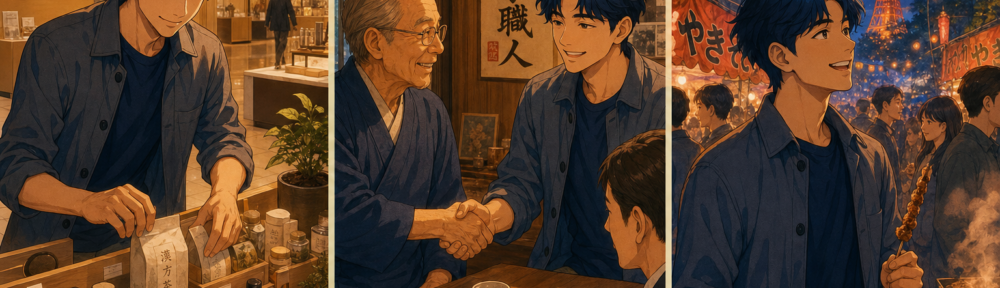
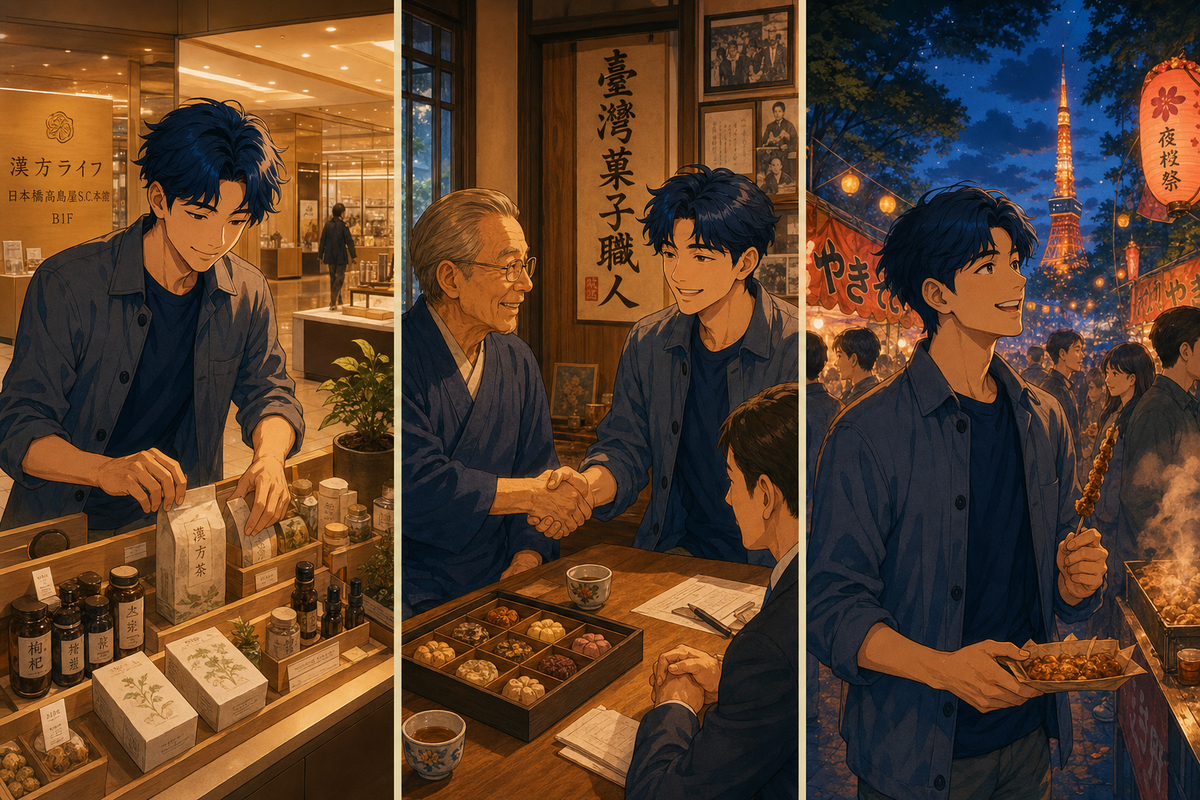
8月10日,横濱NEWoMan的一個新櫃位即將開門。賣的是台灣漢方生活品牌DAYLILY的產品:藥草茶、護膚品、帶著藥鋪氣味的日常物件。進的是高端百貨通路。選的城市是横濱,不是東京。這個細節本身就是一種立場。
三條路線,同時出發
幾乎同一週,台灣130年糕餅老字號舊振南(JIU ZHEN NAN)的創業家親赴日本,啟動市場佈局。時機不是隨機選的——台灣高鐵同期引進N700ST車廂,車上聯名販售金牌台啤加舊振南禮盒,在台灣本地完成了一次品牌升格。先讓自己在家成為某種「台灣代表」,再帶著這個身份去日本談。順序很重要。
然後是東京日比谷公園的「屋台湾フェス2026」,現做夜市料理、攤位、人群。節慶形式,沒有固定通路,沒有店租,沒有需要解釋的品牌故事。食物端到面前就是全部的說明。
三件事湊在同一個月:頂端百貨、老品牌直攻市場、夜市節慶文化輸出。路線沒有一條重疊。
通路選擇即立場宣告
DAYLILY選橫濱NEWoMan,不是因為東京太貴——NEWoMan本身就是定位清晰的高端選品型商場,進這裡等於對外說「這個品牌的客群是有意識消費的都市女性」,比任何品牌故事都直接。漢方加生活美學這個組合在日本有現成的接收群體,問題從來不是「能不能賣」,而是「在哪賣才不會稀釋定位」。選百貨通路就是在回答這個問題。
舊振南的路線截然不同。130年的品牌歷史在台灣是資產,在日本市場是從零開始的陌生名字。創業家親赴日本、親自佈局,是在用人去代替品牌知名度——先建立關係,再談通路。高鐵車廂那個聯名禮盒不是行銷噱頭,是在製造一個可以帶出去說的故事:連台灣高鐵都認可的老牌。
屋台湾フェス的邏輯又是另一套。節慶不需要說服任何人相信品牌,只需要讓人吃一口。夜市在日本有穩定的文化好奇度,現做料理比包裝商品更容易越過「陌生感」這道牆。這種進入方式不積累資產,但積累的是對「台灣味道」本身的直接記憶,跟品牌無關。
不是統一戰略,是各自判斷
把這三件事擺在一起看,很容易讀成「台灣品牌有計劃地進攻日本市場」,但這個讀法過於整齊。DAYLILY、舊振南、屋台湾フェス背後是完全不同的人、不同的資本結構、不同的市場假設。同一個月發生,是市場時機的巧合加上各自累積的結果,不是協調出來的。
但正因為沒有協調,這個同框才更有意思。台灣品牌進日本從來不是一種方式在推進,而是多個層次同時在動:精品通路、老品牌關係經營、文化節慶滲透,各走各的,互不依賴,卻在同一個季節出現在同一個市場。日本消費者不會把三件事連在一起看,但累積下來的印象不會只停在其中一件事上。
屋台湾フェス2026在東京日比谷公園的活動,DAYLILY横濱NEWoMan的開幕,以及舊振南在日本的佈局——三件事都在今年8月前後展開。下一個問題不是「台灣品牌能不能在日本站穩」,而是這三種路線各自的後續節奏是什麼。百貨櫃位撐得過第一個季度嗎?老品牌的關係投資要多久才回收?節慶過後的記憶能不能轉化成回購?這些問題沒有共同的答案。
— 曾柏宇
Three Taiwanese Brands, Three Routes Into Japan, One Summer
On August 10, a new counter is set to open at NEWoMan in Yokohama. The products are from DAYLILY, a Taiwanese herbal lifestyle brand: botanical teas, skincare, everyday objects that carry the scent of an apothecary. The channel is premium retail. The city is Yokohama, not Tokyo. That detail alone is a statement of intent.
Three Routes, Same Month
Almost the same week, the founder of JIU ZHEN NAN — a Taiwanese confectionery house with 130 years of history — traveled to Japan personally to begin laying market groundwork. The timing was not coincidental. Taiwan High Speed Rail simultaneously introduced its N700ST trains featuring a co-branded set pairing Taiwan Beer Gold Medal with JIU ZHEN NAN gift boxes — a brand elevation performed on home soil first. The sequence matters: become a recognized symbol of Taiwan before arriving in Japan with that status in hand.
Then there is 屋台湾フェス 2026 at Hibiya Park in Tokyo — freshly prepared night market food, stalls, crowds. Festival format. No fixed retail footprint, no lease, no brand narrative requiring explanation. The food placed in front of someone is the entire pitch.
Three events, one month: premium department store retail, direct market development by an established legacy brand, and cultural festival export. No two routes overlap.
Channel Choice as Brand Declaration
DAYLILY’s selection of NEWoMan Yokohama is not primarily a cost decision. NEWoMan is a curated format with a clear consumer profile — choosing it signals “this brand is for the urban woman who shops with intention,” more efficiently than any brand manifesto. The combination of herbal medicine and lifestyle aesthetics has an existing audience in Japan. The question was never whether it could sell; it was where to sell without diluting the positioning. The department store route answers that.
JIU ZHEN NAN’s approach is the opposite. One hundred and thirty years of heritage is a concrete asset in Taiwan and an unfamiliar name in Japan. Sending the founder in person substitutes relationship capital for brand recognition — build the connections first, negotiate the channels after. The THSR co-branded box is not a gimmick; it is a portable credential: if Taiwan’s high-speed rail uses this brand, that is a usable story in a market that respects institutional endorsement.
屋台湾フェス operates on a different logic entirely. A food festival does not ask anyone to believe in a brand. One bite clears more skepticism than a year of marketing spend. Night market food culture carries steady curiosity value in Japan, and freshly prepared dishes cross the “unfamiliarity barrier” faster than packaged goods. This route does not accumulate brand equity in the conventional sense — what it leaves behind is a direct sensory memory of Taiwanese flavors, detached from any specific label.
Not a Coordinated Push
Viewing these three events together creates a tempting narrative: a coordinated Taiwanese market offensive. That reading is too neat. DAYLILY, JIU ZHEN NAN, and 屋台湾フェス 2026 represent entirely different owners, capital structures, and market assumptions. Their convergence in the same month is the overlap of individual timelines, not orchestration.
That is precisely what makes the coincidence worth examining. Multiple layers of Taiwanese market entry are running simultaneously — premium retail, legacy brand relationship-building, cultural festival penetration — each independent, none relying on the others, all surfacing in the same season. Japanese consumers will not connect these three dots, but the cumulative impression will not be limited to any single one of them.
The more immediate questions are operational: Can the department store counter hold through its first full quarter? How long before the legacy brand’s relationship investment yields a distribution channel? Does festival attendance convert into anything repeatable after the stalls come down? None of these share an answer.
— 曾柏宇
延伸閱讀
https://justfly.idv.tw/s/zTMeT6c