高雄展場裡的百場會議
9月23日到27日,高雄展覽館與喜樂時代影城擠進一場規模不小的兒少內容嘉年華。書展、劇場、影展三個場子疊在一起,湊出六十六場活動。這場活動去年還在台中辦,今年第一次搬到高雄,換城市這件事本身沒什麼戲劇性,但背後那套「城市輪辦」的邏輯,值得多看一眼——文化展會不再綁死一個地方,而是隨產業需求移動。
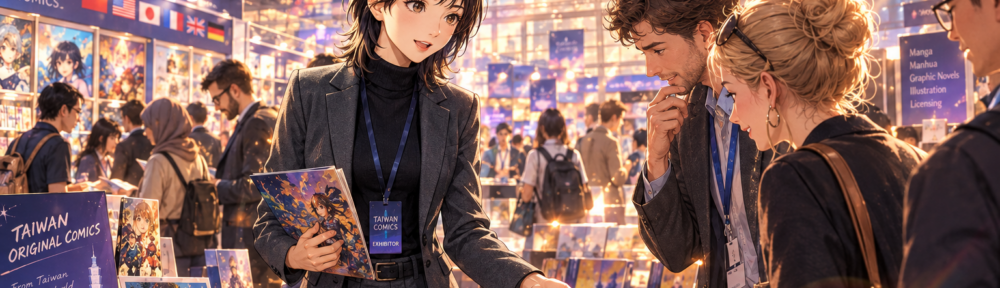
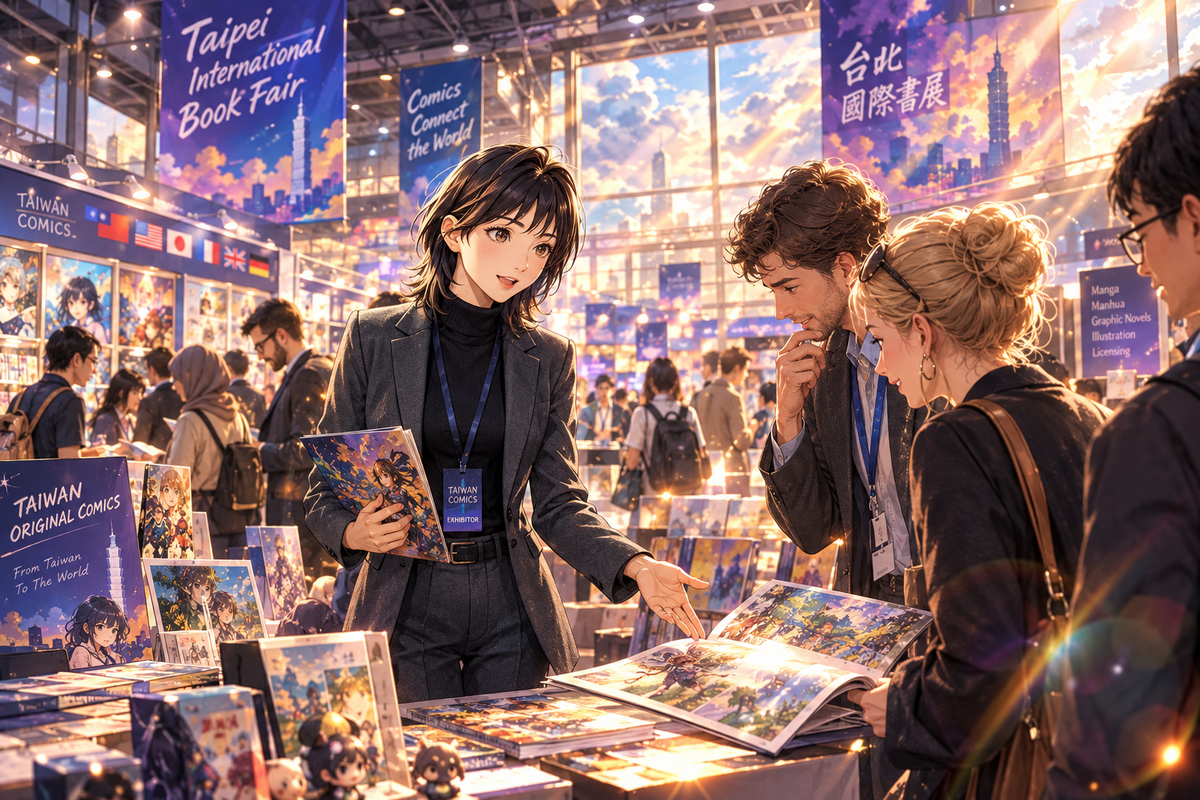
真正的重點藏在展場一角,一個叫「臺漫大發現——重返故事島!」的主題區,旁邊搭著「未來世代書展」,六十七家出版社與教具品牌擠在同一層樓。主辦方文化內容策進院這次找來歐亞澳十國、十五位國際買家,安排的版權會議超過百場。西班牙的Zorro Rojo、越南的Kim Đồng、印尼Mizan集團旗下的Noura,都被具名邀來谈。這三家出版社分別對應西語、越南語、印尼語三條完全不同的翻譯與通路系統——台漫要進的不是一個市場,是三個語言世界。
二十年沒被看見,不代表沒在累積
台灣漫畫這幾年常被拿來跟日漫韓漫比光環,比不過也正常,畢竟對手是全球流通了半世紀的產業機器。但版權輸出這件事,拚的從來不只是知名度,還有能不能把一批作品、一批出版社、一套授權流程同時端出去給國際買家看。去年首屆已經促成韓國、泰國、印尼等地的具名授權,今年買家團擴大到十國十五人,等於把「去年成不成」變成一個可以年年對照的成績單。這種可追蹤的節奏,比單一一部作品爆紅更接近產業基礎建設。
台灣原創IP的海外布局也不只靠書展這條線。文化內容策進院近來把角色IP往東南亞送,馬來西亞那場授權大展一次集結十二組台灣角色跟當地IP聯名,波波冰狗室、章魚熊、酷樂樂宇宙探查隊、餃貓FAMILY都在名單上;日本那頭則有貓貓蟲咖波、KINGJUN等品牌打進授權展。路線不同,邏輯一致:角色先出去,故事世界觀跟著慢慢建立起來。文策院內部談的策略方向,是讓IP從「角色可愛」升級成「有完整世界觀」,這樣才談得上跟餐飲、零售這類複合業態長期綁定,而不是曇花一現的周邊熱潮。
市場選台灣,從來不是單一原因
這類進展容易被簡化成「文化相近,好賣」。相近確實是一個因素,但西班牙、越南、印尼三邊的出版通路各自面對完全不同的審查習慣、翻譯成本與童書市場結構,光靠文化親近感談不成百場版權會議。真正撐住這件事的,是台灣這幾年建出來的授權談判機制、出版社整合能力,跟一年一度可以拿出成績單的組織耐性。市場成熟度加上文化理解度,兩件事缺一不可。
9月27日,高雄的版權會議會談完最後一場。談成的合約不會馬上變成書店架上的越南文或西班牙文版本,那需要時間翻譯、印刷、鋪貨。真正能驗證這次成不成的時間點,是明年——看這十五位買家裡,有幾位會再回來。
— 林青禾
Taiwanese Comics Stop Playing Supporting Roles
A Hundred Meetings in Kaohsiung
From September 23 to 27, a children’s and youth content festival takes over the Kaohsiung Exhibition Center and Ambassador Theatres. Book fair, theater, film festival — three tracks stacked into sixty-six events total. It’s the first time the fair has moved from Taichung to Kaohsiung. The city switch itself isn’t dramatic, but the logic behind it is: a rotating host city means the event isn’t tethered to one place, it moves with industry need.
The real story sits in a corner of the venue, a themed zone called “Taiwan Comics Discovery — Return to Story Island,” next to a “Future Generations Book Fair” packing sixty-seven publishers and educational-toy brands onto one floor. The organizer, Taiwan Creative Content Agency, brought in fifteen international buyers from ten countries across Europe, Asia, and Australia this year, arranging over a hundred rights-licensing meetings. Spain’s Zorro Rojo, Vietnam’s Kim Đồng, and Indonesia’s Noura (under the Mizan Group) were named guests. Three publishers, three separate language markets — Spanish, Vietnamese, Indonesian. Taiwanese comics aren’t chasing one market here. They’re chasing three.
Twenty Years Unseen Doesn’t Mean Twenty Years Idle
Taiwanese comics get compared to Japanese and Korean comics a lot, usually unfavorably — fair enough, given the competition has had half a century of global distribution machinery behind it. But rights export isn’t only about name recognition. It’s about whether a country can put a slate of works, a cluster of publishers, and a licensing pipeline in front of international buyers at the same time, reliably. Last year’s first edition already produced named licensing deals in South Korea, Thailand, and Indonesia. This year the buyer delegation expanded to fifteen people from ten countries, turning last year’s results into a year-over-year benchmark. That kind of trackable rhythm matters more than any single breakout title — it looks like infrastructure, not luck.
Taiwan’s original IP push abroad isn’t confined to book fairs either. The Taiwan Creative Content Agency has been steering character IP toward Southeast Asia — a licensing showcase in Malaysia brought together twelve Taiwanese character IPs for co-branded collaborations, including Bobo Ice Dog House, Octopus Bear, Cool Lolo’s Universe Exploration Team, and Dumpling Cat Family. Separately, brands like Kanahei and KINGJUN have entered licensing showcases in Japan. Different routes, same logic: send the character out first, let the surrounding story world build up around it later. The agency’s stated direction is upgrading IP from merely cute to fully world-built, since that’s what makes long-term tie-ins with retail or food and beverage possible, rather than a one-season merchandise spike.
No Single Reason Explains a Market Choice
It’s tempting to reduce all this to cultural proximity — Southeast Asian audiences find Taiwanese content familiar, so it sells. Proximity helps, but Spain, Vietnam, and Indonesia each run on different censorship norms, translation costs, and children’s book market structures. Cultural familiarity alone doesn’t produce a hundred rights meetings. What holds this together is licensing infrastructure built over years, publisher coordination, and the patience to show up with a scorecard every year. Market maturity and cultural fluency both have to be present — neither one alone gets the deal done.
The last rights meeting in Kaohsiung wraps on September 27. Signed contracts won’t turn into Vietnamese or Spanish-language editions on shelves overnight — translation, printing, distribution all take time. The real test of whether this worked lands next year: how many of these fifteen buyers come back.
— 林青禾
延伸閱讀
- 新井耕吉郎紀念碑,立在一杯紅茶的源頭
- mysql2 讀 DATETIME 差 8 小時,一行 timezone: ‘Z’ 解決
- 熊走到了餐廳門口,鏡頭先看見
- 評審說蓋不出來的牆,工地用螺絲鎖住了
- 櫃檯前那句「甜度?」:一杯梅子綠茶的點餐課
https://justfly.idv.tw/s/uU49f2n