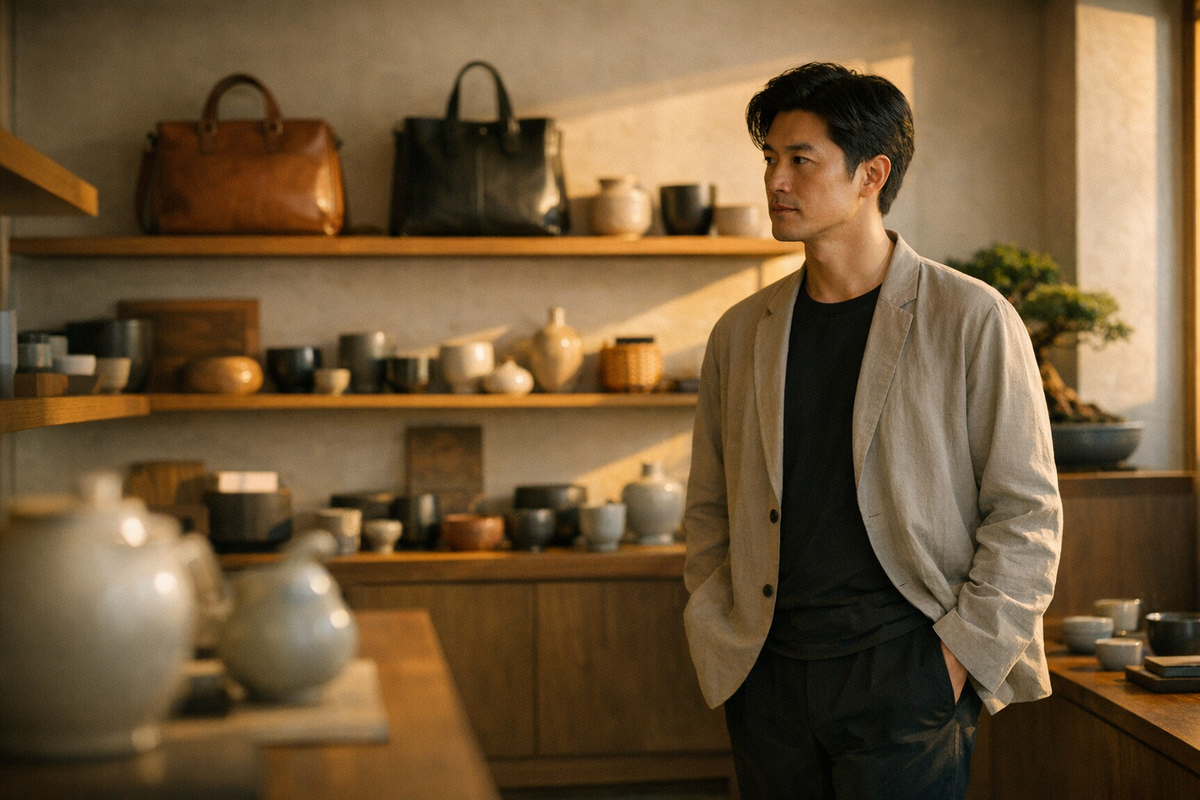
最近在東京銀座逛Dover Street Market時,意外看到thur.的包包陳列在一樓櫥窗。那個瞬間有種奇妙的感覺——不是那種「台灣之光」式的驕傲,而是一種「終於有人用對的方式做事」的踏實感。
作為一個長期在台日之間接案的設計師,我看過太多台灣品牌想進日本市場的案例。大部分都是砸錢辦展、找網紅、搞快閃,然後無疾而終。但這一波悄悄在日本站穩腳步的台灣品牌,走的完全是另一條路。
不需要翻譯的設計語言
WISDOM跟山本耀司的合作不是偶然。我認識幾個在日本選物店工作的朋友,他們告訴我,日本買手看品牌時最在意的不是「你來自哪裡」,而是「你的設計哲學能不能自己說話」。WISDOM做到的,就是把台灣的材質研發能力,轉化成連山本耀司都認可的設計語彙。
Plateau在日本辦快閃也是同樣邏輯。他們沒有特別強調「台灣品牌」這個標籤,而是專注呈現自己對生活器物的理解。當你的設計本身就具備普世性的美學價值時,國籍反而成為加分的文化註腳,而非需要被推銷的賣點。
選物店是最誠實的試金石
Dover Street Market銀座店選進thur.,誠品日本橋收入宜蘭嚴選,這些不是政府文化輸出計畫能買到的位置。選物店的買手是全世界最挑剔的一群人,他們要對自己的顧客負責,不會因為你是「友好國家品牌」就給你架位。
我自己在做品牌設計諮詢時,常跟客戶說:「如果你的產品進不了台灣本地的好選物店,就不要幻想能進日本市場。」聽起來殘酷,但這是市場的真實規則。thur.跟宜蘭嚴選能進這些指標性空間,代表他們已經通過了最嚴格的市場驗證。
文化輸出的「反向操作」
傳統的文化輸出思維是:「我要讓全世界看見台灣。」但這波品牌做的是反向操作——他們先讓產品本身被看見,然後才讓人發現「喔,原來這是台灣品牌」。
這種策略需要極大的耐心跟自信。你不能急著貼標籤、說故事,而是要讓產品本身的品質去建立信任。當日本消費者因為喜歡Plateau的器物美學而購買,事後才知道這是台灣品牌時,那種認知衝擊反而會加深品牌印象。
安靜,但更有力量
在這個人人都在喊「打國際盃」的時代,這些品牌選擇的是最笨也最踏實的路:專注把產品做好,找到對的通路夥伴,讓市場機制自然運作。
我不確定這算不算「文化輸出」,但我確定這比任何官方文化推廣計畫都更有說服力。因為這不是被設計出來的文化交流,而是真實的市場選擇。當Dover Street Market的買手決定進thur.的貨,那個決定背後沒有任何文化政治考量,只有純粹的商業與美學判斷。
或許,最好的文化輸出就是不刻意輸出。當你的創作本身夠好,文化會自己說話。
Quiet Cultural Power: How Taiwanese Brands Crack Japan’s Market
Recently, while browsing Dover Street Market in Tokyo’s Ginza district, I unexpectedly spotted thur.’s bags displayed in the ground floor window. That moment gave me a peculiar feeling—not the typical “Taiwan pride” sensation, but rather a grounded sense of “finally, someone’s doing it the right way.”
As a designer who regularly works between Taiwan and Japan, I’ve witnessed countless Taiwanese brands attempting to crack the Japanese market. Most follow the same playbook: spend big on exhibitions, hire influencers, organize pop-ups, then fade into obscurity. But this wave of Taiwanese brands quietly gaining foothold in Japan is taking an entirely different path.
Design Language That Needs No Translation
WISDOM’s collaboration with Yohji Yamamoto wasn’t accidental. Friends who work in Japanese select shops tell me that Japanese buyers don’t care much about “where you’re from”—they care whether “your design philosophy can speak for itself.” What WISDOM achieved was translating Taiwan’s material R&D capabilities into a design vocabulary that even Yohji Yamamoto recognizes.
Plateau’s Japanese pop-up follows the same logic. They didn’t emphasize the “Taiwanese brand” label, instead focusing on presenting their understanding of everyday objects. When your design carries universal aesthetic value, national origin becomes a cultural footnote that adds value, rather than a selling point that needs pushing.
Select Shops: The Most Honest Litmus Test
Dover Street Market Ginza choosing thur., Eslite Nihonbashi carrying Yilan Select—these aren’t positions that government cultural export programs can buy. Select shop buyers are among the world’s most discerning professionals. They answer to their customers and won’t give you shelf space just because you’re from a “friendly nation.”
In my brand design consulting work, I often tell clients: “If your product can’t get into good local select shops in Taiwan, don’t fantasize about entering the Japanese market.” It sounds harsh, but it’s market reality. That thur. and Yilan Select entered these landmark spaces means they’ve passed the strictest market validation.
The “Reverse Operation” of Cultural Export
Traditional cultural export thinking goes: “I want the world to see Taiwan.” But these brands operate in reverse—they let the product be seen first, then let people discover “oh, this is actually Taiwanese.”
This strategy requires tremendous patience and confidence. You can’t rush to attach labels or tell stories—you must let product quality build trust. When Japanese consumers buy Plateau’s objects for their aesthetic merit and only later discover it’s a Taiwanese brand, that cognitive impact actually deepens brand impression.
Quiet, Yet More Powerful
In an era where everyone’s shouting about “going international,” these brands chose the most unglamorous yet solid path: focus on making great products, find the right channel partners, and let market mechanisms work naturally.
I’m not sure if this counts as “cultural export,” but I’m certain it’s more persuasive than any official cultural promotion program. This isn’t engineered cultural exchange—it’s authentic market selection. When Dover Street Market’s buyer decides to stock thur., that decision carries no cultural-political consideration, only pure commercial and aesthetic judgment.
Perhaps the best cultural export is not trying to export at all. When your creation is good enough, culture speaks for itself.