同一個八月,三張聯名菜單
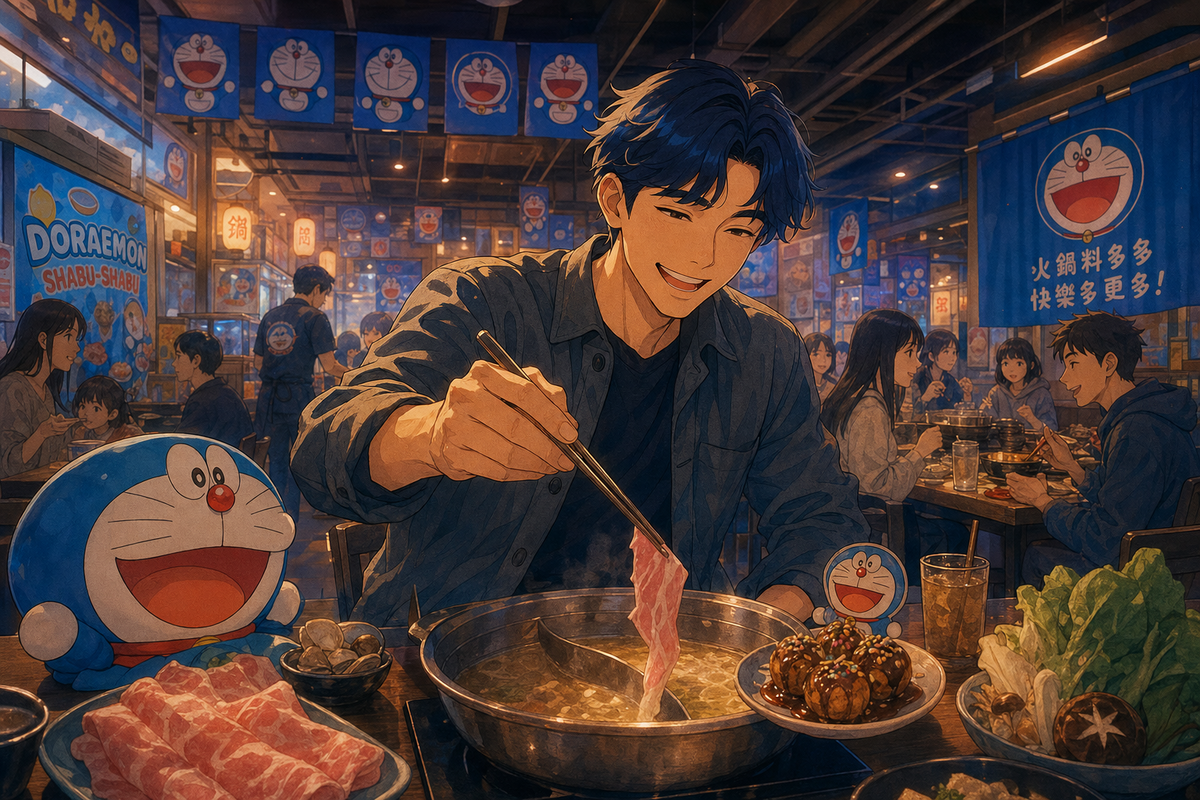
八月初到八月中,老賴茶棧上了《獵人 Hunter × Hunter》角色杯與白桃烏龍新品,中職味全龍辦了獵人主題日,王品集團旗下「聚」與「和牛涮」則從8月12日開始,用哆啦A夢把51間門市的湯底、鯛魚燒霜淇淋全部改裝一輪,一路做到9月底。三個品牌、三種業態,同一個月份撲向日本IP,像是收到同一張行事曆提醒。
這不是巧合湊出來的熱鬧,是一套已經跑順的公式:找一個在地高頻消費場景,套上日本IP的視覺與角色,限期供應,製造打卡誘因。手搖飲、連鎖早餐、吃到飽火鍋,業態差很多,操作邏輯卻幾乎一致——用授權買一段時間的話題與客流。
早餐店賣史萊姆,炸雞店賣英雄
這套公式不是今年才出現。拉亞漢堡今年稍早和《勇者鬥惡龍》做了40週年聯名,推出台灣限定的史萊姆頭套,把RPG道具塞進早午餐;繼光香香雞則接下《一拳超人》,讓一線動漫IP第一次落地在鹹酥雞式的日常餐飲裡。這些案例擺在一起看,共同點很清楚:日本IP要落地台灣,靠的不是專賣店或展覽館,是三餐都要吃的通路。手搖飲一天喝好幾杯的人不少,連鎖早餐店天天路過,吃到飽火鍋周末必訪——高頻消費本身就是最便宜的曝光位。
反過來看日方的算盤也不複雜。日本版權方要測試一個IP能不能在亞洲市場走出東京以外的生命力,與其自己開店,不如把IP租給已經有通路、有客群基礎的在地餐飲品牌,用對方的門市數量和翻桌率,換一次低成本、短周期的市場反應測試。51間門市、全台覆蓋、限期一個半月,這種規模與速度,新品牌自己單獨鋪根本做不到。
台灣是試衣間,不是唯一舞台
把這件事講成「台灣特別懂日本文化」太自滿。同一批餐飲品牌也在跟其他地方的IP合作——藏壽司找的是韓國角色IP DINOTAENG,推出13款聯名周邊,做的是同一套邏輯,只是把日本IP換成韓國IP。這代表被挑中的不是「特別懂某個文化」,而是台灣的餐飲通路密度、消費頻率、對聯名商品的接受度,剛好符合這類短期市場測試需要的條件。市場成熟度加上通路彈性,才是被選中的真正原因,不是哪個地方的品味比較高。
值得留意的反而是規模差異。同一套「快閃店+主題周邊+限定商品」公式,可以套在50間連鎖店的常態菜單上,也可以縮小成松菸的一場快閃、100款周邊、免費入場的短期活動。門市網絡越密的品牌,越有本錢把IP聯名做成長達一個半月的菜單改造,而不只是一場拍照打卡的周末活動。
下一輪還沒開始
王品的哆啦A夢聯名跑到9月30日,老賴茶棧的獵人系列還在架上。這一輪還沒收攤,下一個日本IP已經在物色下一間有51間分店、翻桌率夠高的台灣餐飲品牌。菜單改版的速度,有時比動畫新一季開播還快。
— 曾柏宇
Why the Menu Meets Japanese Anime Before Your Street Does
One August, Three Menus
Within the same stretch of August, 老賴茶棧 rolled out Hunter × Hunter character cups and a new peach oolong drink, 中職味全龍 held a Hunter × Hunter theme day, and the 王品集團 chains “聚” and “和牛涮” began a Doraemon collaboration on August 12 across 51 stores, running hot pots, taiyaki soft serve, and themed interiors through the end of September. Three brands, three completely different businesses, all reaching for a Japanese IP in the same month.
Coincidence doesn’t explain it. It’s a formula that already works: take a high-frequency local consumption spot, layer on a Japanese IP license, run it for a fixed window, let the photo-ops do the marketing. Bubble tea, chain breakfast, all-you-can-eat hot pot — different categories, nearly identical playbook.
Slime at Breakfast, a Hero at the Chicken Counter
The pattern predates this August. Earlier this year, Taiwan’s breakfast chain Laya Burger teamed up with Dragon Quest for its 40th anniversary, complete with a Taiwan-exclusive slime headpiece grafted onto morning sandwiches. Fried chicken chain 繼光香香雞 picked up One Punch Man, putting a top-tier anime franchise into the kind of everyday fried-chicken stop people walk past daily. Lined up together, the logic sharpens: Japanese IP doesn’t land in Taiwan through dedicated flagship stores or exhibitions. It lands through whatever gets eaten three times a day. A bubble tea shop gets repeat visits within a week; a breakfast chain gets passed every morning; a hot pot chain gets the weekend crowd. High-frequency retail is simply the cheapest exposure available.
The math on the Japanese side is just as plain. Licensors testing whether a franchise can travel beyond Tokyo don’t need to open their own storefronts — renting the IP to an already-networked local chain buys a cheap, fast read on regional appetite, using someone else’s store count and turnover speed. Fifty-one locations, nationwide, for six weeks: no new brand builds that kind of reach alone.
A Fitting Room, Not the Only Stage
Framing this as proof that Taiwan “understands” Japanese culture better than anyone else overreaches. The same restaurant chains have run collaborations with non-Japanese IP too — sushi chain 藏壽司 partnered with the Korean character property DINOTAENG, producing 13 tie-in items under the identical mechanic, just with a different country of origin. What’s being selected isn’t a particular market’s taste; it’s density of restaurant networks, frequency of visits, and appetite for limited-run merchandise — market maturity plus retail flexibility, not superior cultural instinct.
The more interesting variable is scale. The same “pop-up plus themed merch plus limited menu” formula can stretch across 51 permanent locations for six weeks, or shrink into a short pop-up with a hundred items and free admission. The denser the store network, the more a brand can turn an IP tie-in into a menu overhaul instead of a one-weekend photo event.
The Next One Hasn’t Started
王品’s Doraemon run continues through September 30. 老賴茶棧’s Hunter × Hunter lineup is still on shelves. This wave hasn’t wrapped, and somewhere the next Japanese licensor is already scouting the next chain with enough stores and enough foot traffic to make it worth the license fee. Sometimes the menu changes faster than the next anime season airs.
— 曾柏宇
延伸閱讀
- 圓山比東京先開幕,台北成了日本零售的實驗場
- 停止條件寫得太乾淨,反而先砍到承重牆
- 台灣獨立樂團的天花板,不再是有沒有人聽
- 藤本壯介亞洲首站選台北,不是東京的意外
- 水燈頭旁邊擺快閃店,172年的中元祭在跟誰對話
https://justfly.idv.tw/s/EzafzRy