歷史的混音
做聲音設計這行,最難的不是找對的音效——是決定哪些聲軌要疊在一起。1895年的《馬關條約》是一個音軌。1930年霧社事件莫那魯道率賽德克族起義是另一個。1945年日本戰敗、和平憲法第九條誕生是第三條。而2026年4月21日,高市早苗內閣撤銷實施80年的殺傷性武器出口禁令,開放向14國以上出售包括戰鬥機在內的武器——這是第四條聲軌,直接疊進前三條之上。
把這四條聲軌同時播放,你聽到的是歷史本身的弔詭。
從馬關條約到Type 88飛彈
1895年,清廷以《馬關條約》將台灣割讓給日本。接下來50年,台灣總督府握有行政、立法、軍事三權,皇民化運動期間台灣人被強制放棄台語、改日本名字、強迫參拜神社。1930年,賽德克族在莫那魯道帶領下發動霧社事件,那是整個殖民期間台灣人最大規模的武裝抵抗。這段歷史不是遠古,距今不過三代人。
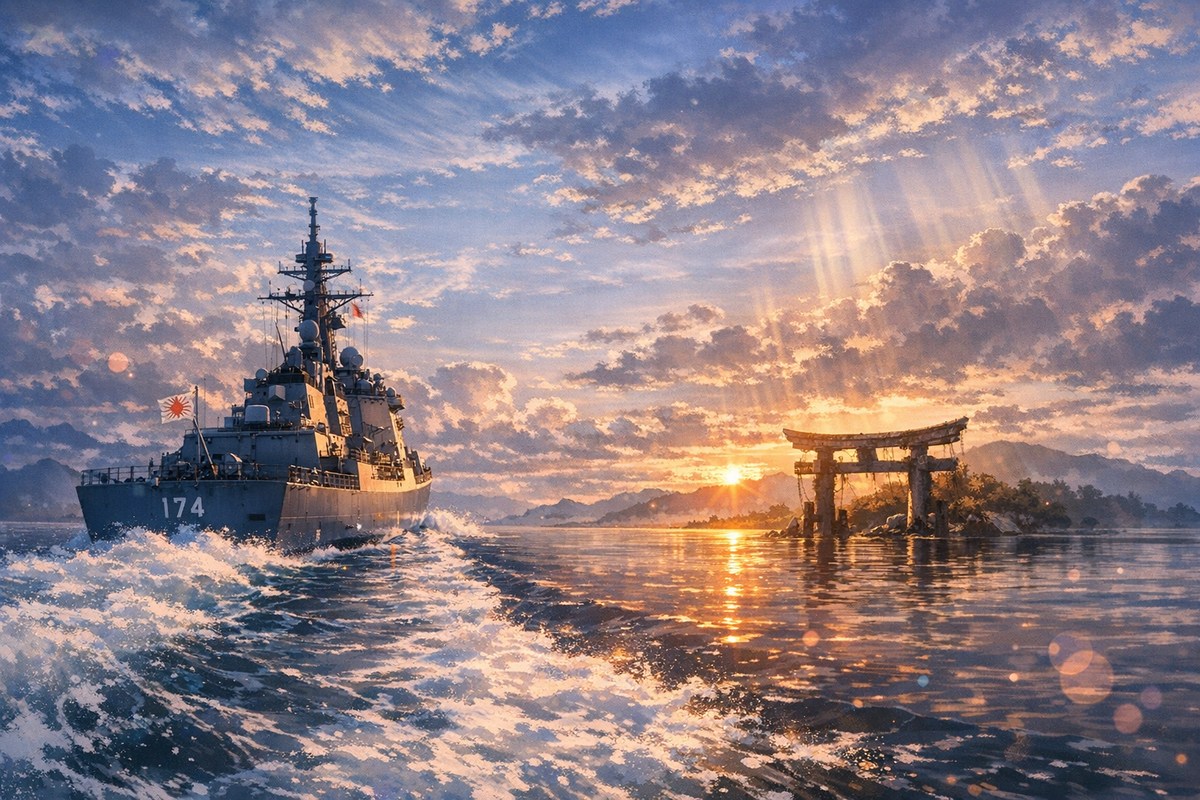
現在,2026年4月的最後兩週,日本驅逐艦Ikazuchi在4月17日和4月23日兩度穿越台灣海峽。同一個月,日本首次以戰鬥角色參加菲美「Balikatan」聯合軍演,出動約1,400名兵力——那是二戰後日本最大規模的對外軍事部署——並實射Type 88反艦飛彈系統。高市早苗內閣在4月21日正式解除戰後武器出口禁令。三件事在同一個月發生,這是政策。
同期,NATO 30國大使剛訪問東京。日本2026年外交藍皮書將中國從「最重要的雙邊關係之一」降格為「重要鄰國」,措辭後退幅度是數年來最大。高市早苗更早在2025年11月的國會預算委員會上明確表示,中國攻台若構成日本「存亡危機」,自衛隊可採集體自衛行動介入。
這個說法在去年還是政治禁忌。現在它已進入日本外交文本。
台灣人大多不知道這件事有多奇怪
台灣對這一切的反應,普遍停留在「感謝日本友好」的層次,很少有人在歷史座標上定位這件事的真實重量。但如果把時間軸拉直來看:割讓台灣的那份條約,和現在正在解除的武器禁令,出自同一個國家政體的不同時態。
殖民者與守護者,這兩個角色在2026年同時由日本扮演,前者是歷史,後者是當下正在生成的地緣現實。台灣人幾乎沒有語言可以同時處理這兩件事——要嘛選擇感謝,要嘛選擇憤恨,很難同時持有這兩種情感並且仍然做出清醒的判斷。
然而清醒的判斷恰恰是台灣現在最需要的東西。日本的戰略轉向,驅動力是中國軍事威脅升高、美國可靠性出現疑問,以及日本自身的存亡計算——不是對台灣的歷史帳。高市早苗說得直接:中國攻台若構成「存亡危機」,日本才介入。台灣對日本的戰略價值,是地理屏障,不是道德補償。
這不應該讓台灣人失望,反而應該讓台灣人更清楚地理解自己在這個安全架構裡的位置——以及這個位置的代價。
和平憲法的殘響
日本戰後和平憲法第九條,某種意義上是對二戰暴行的制度性贖罪。80年的武器輸出禁令同樣是這個贖罪架構的一部分。現在,這個架構正在拆解。
拆解的速度讓人想起混音裡的淡出效果——你以為那條聲軌已經消失,但在安靜的地方側耳仔細聽,它還在。台灣1930年霧社事件的那條聲軌,和2026年4月Ikazuchi驅逐艦穿越海峽的發動機聲,在頻譜上的某個角落,仍然疊著。
歷史從來不是整齊的退場,只有不斷重新混音的當下。
— 林郁翔
The Country That Colonized Taiwan Just Rearmed
The Remix Nobody Asked For
In 1895, the Treaty of Shimonoseki handed Taiwan to Japan. What followed was 50 years of colonial rule — forced abandonment of Taiwanese language, mandatory Japanese names, compulsory shrine worship under the kominka movement. In 1930, Seediq leader Mona Rudao led the Wushe Incident uprising, the largest armed resistance against Japanese colonization in Taiwan’s history. Three generations ago. Not ancient.
Now look at April 2026. On April 21, Prime Minister Takaichi Sanae’s cabinet formally lifted Japan’s 80-year ban on lethal weapons exports, opening sales to more than 14 countries including fighter aircraft. On April 17 and again on April 23, the destroyer Ikazuchi transited the Taiwan Strait. At Balikatan 2026, Japan participated in a combat role for the first time — deploying approximately 1,400 troops (Japan’s largest overseas military deployment since World War II) and conducting live-fire exercises with Type 88 anti-ship missiles.
These three events happened in the same month. That is not coincidence. That is policy.
What the Diplomacy Actually Says
Japan’s 2026 diplomatic bluebook downgraded China from “one of our most important bilateral relationships” to “important neighbor” — the largest rhetorical retreat in years. NATO ambassadors from 30 nations had just visited Tokyo. Takaichi, speaking in the National Diet’s budget committee in November 2025, stated that a Chinese attack on Taiwan could constitute an “existential crisis” for Japan, triggering collective self-defense under the Peace and Security legislation.
That statement was politically unthinkable 18 months ago. It is now embedded in Japanese foreign policy documents.
Japan’s pivot runs on a hardening calculation: rising Chinese military pressure, questions about U.S. reliability, and Japan’s own survival math. Historical guilt toward Taiwan is not in the equation. Takaichi’s framing is precise — Japan would intervene if Taiwan’s fall constitutes an existential threat to Japan itself. Taiwan matters to Tokyo as a geographic buffer, not a moral debt.
The Ghost Frequency
Most Taiwanese responses to this moment land somewhere around gratitude. Rarely does public discourse position these events on a historical axis that holds both facts simultaneously: the country that colonized Taiwan for 50 years is now potentially the country that defends it. The colonizer and the security partner are the same state at different timestamps.
That’s not a comfortable thought. It also isn’t one that can be avoided.
Japan’s Article 9 pacifist constitution was, in part, an institutional reckoning with wartime atrocities. The 80-year weapons export ban was part of that structure. Dismantling it doesn’t erase the structure’s original purpose — it just means the calculation has changed. The Ikazuchi transiting the Taiwan Strait and the ghost of Mona Rudao’s uprising exist on the same frequency spectrum. One does not cancel the other.
Taiwan needs language that can hold both without collapsing into either simple gratitude or historical resentment. That language doesn’t exist yet. Building it is the actual strategic task.
— 林郁翔
延伸閱讀
https://justfly.idv.tw/s/6KNVbRD