
最近在工作室裡聽到一個消息,B’z 和 GLAY 這些日本搖滾傳奇不只是來台灣開演唱會了,他們開始跟台灣的 T-POP 音樂人進入真正的創作層面合作。作為一個在這個產業裡打滾的創作者來說,這不只是「聯名」那麼簡單,這可能是亞洲流行音樂版圖正在悄悄重組的信號。
不再只是巡演站點,台灣成為創作夥伴
過去十年,台灣在國際音樂產業裡的角色有點尷尬,有華語市場的優勢,但規模比不上中國大陸;有創作能量,但產業化程度比不上韓國。可是現在可以看到一個有趣的轉變:台灣反而因為這種「中間狀態」,成為了最適合跨界實驗的場域。
日本音樂人選擇跟台灣創作者深度合作,不是偶然。日本音樂產業長期以來非常內循環,他們的市場夠大、夠成熟,不太需要向外看。但這也造成了國際化的瓶頸。台灣音樂人呢?很多是留美回來的,帶著國際視野,卻又深深紮根在本土文化裡。這種混血背景,恰好成為連結日本深度與國際語言的橋樑。
Asia Pop:比 K-POP 更有機,比 J-POP 更開放
一直有人在思考,為什麼需要 Asia Pop 這個概念?K-POP 已經很成功了,為什麼不直接複製那套模式?
答案是:因為不想要,也做不來那種工業化量產。在首爾的練習生系統裡,一切都是精密計算的,從外型、舞蹈到人設,每個環節都像生產線。那套系統很有效率,但也很耗竭人性。作為創作者,更相信音樂應該是有機生長出來的,而不是被設計出來的。
台日合作正在摸索的,是一種更有機的模式。保留了創作的自由度和實驗性,但又不像 J-POP 那樣封閉在自己的世界裡。這條路更慢、更曲折,但可能更永續。不追求一夕爆紅,而是建立長期的創作夥伴關係。
創作過程本身就是商品
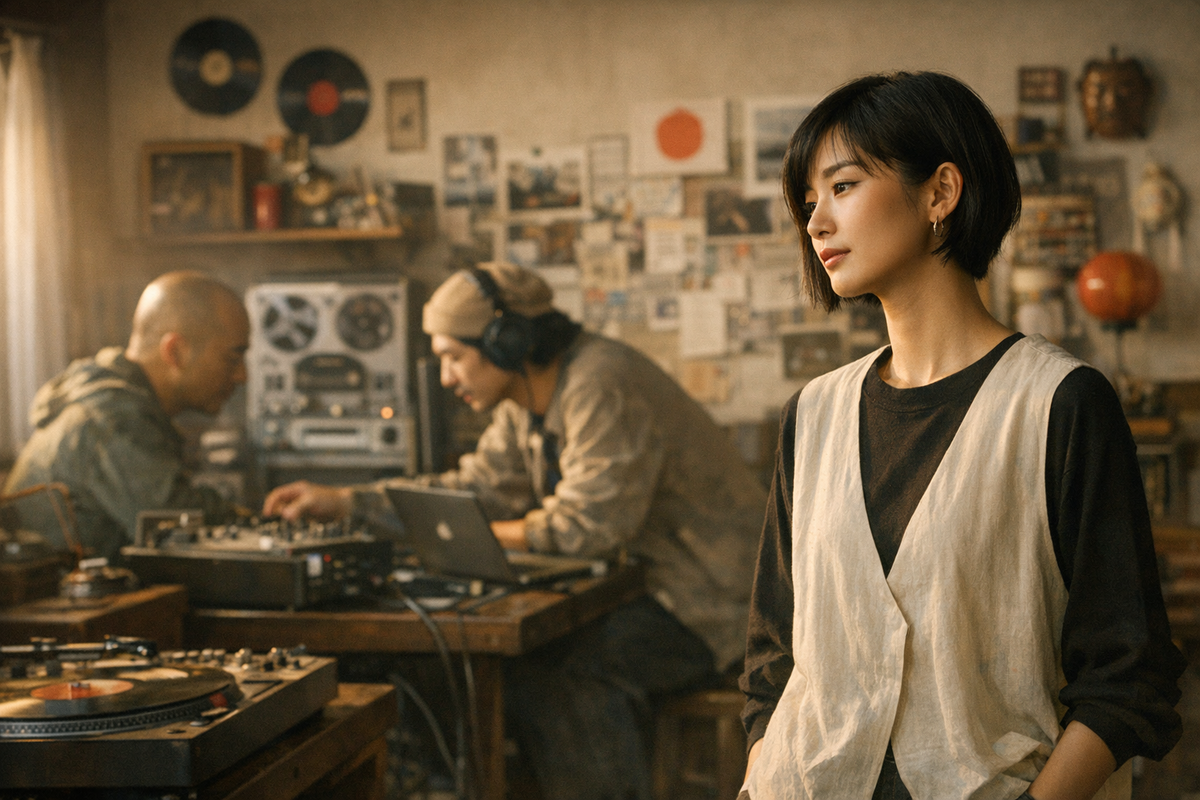
更讓人興奮的是空間和敘事的延伸。現在有些音樂駐場創作空間,把創作過程本身變成一種體驗,可以看到音樂人如何工作,空間裡的選物都在講述創作背後的故事,甚至創作的中間產物(demo、手稿、聲音素材)都可以成為商品。
這種模式打破了「完成品才能販售」的傳統邏輯。對觀眾來說,他們買的不只是一首歌,而是參與了一段創作旅程。對創作者來說,這也減輕了「每首歌都要完美」的壓力,讓創作過程更誠實、更接地氣。
文化輸出的台灣路徑
回到更大的圖像:台灣的文化輸出到底要走哪條路?
韓國的工業化路線證明了效率,但也引發了倦怠和反思。日本的內循環路線保護了獨特性,但也限制了影響力。台灣或許可以走第三條路,量產偶像不是目標,培養有深度的創作者才是;市場不封閉,主動成為跨文化的連結點。
這條路上,音樂只是開始。從音樂延伸到設計、影像、生活風格,台灣可以輸出的是一種「有機混血」的文化美學。不純粹、不完美,但很真實,很有生命力。
也許 Asia Pop 最終不會成為一個明確的音樂類型,而是一種創作態度——在全球化和在地性之間,找到屬於自己的呼吸節奏。
Asia Pop Rising: Taiwan-Japan Musical Collaboration Beyond K-Pop
Recently heard something in studios that made many sit up: legendary Japanese rock bands like B’z and GLAY aren’t just touring Taiwan anymore—they’re diving into deep creative collaborations with T-POP musicians. As those working in this industry can tell, this isn’t just another “collaboration.” This might be a signal that Asia’s pop music landscape is quietly reshaping itself.
From Tour Stop to Creative Partner
For the past decade, Taiwan’s role in the international music industry has been somewhat awkward. There’s the advantage of the Mandarin market, but it can’t match mainland China’s scale. There’s creative energy, but it’s not as industrialized as South Korea. Yet now an interesting shift can be seen: Taiwan’s “in-between state” is actually making it the ideal ground for cross-border experimentation.
It’s no accident that Japanese musicians are choosing deep collaboration with Taiwanese creators. Japan’s music industry has long been self-contained—their market is large and mature enough that they haven’t needed to look outward. But this has also created an internationalization bottleneck. Taiwanese musicians, on the other hand? Many studied in the US and returned with global perspectives while remaining deeply rooted in local culture. This mixed heritage makes them perfect bridges between Japanese depth and international language.
Asia Pop: More Organic Than K-POP, More Open Than J-POP
There’s been thinking about why the concept of Asia Pop is needed at all. K-POP is already hugely successful—why not just copy that model?
The answer: because there’s no desire to, and no ability to replicate that kind of industrial mass production. In Seoul’s trainee system, everything is precisely calculated—from appearance to choreography to persona, every element runs like an assembly line. That system is efficient, but it’s also exhausting to human nature. As creators believe, music should grow organically, not be engineered.
What Taiwan-Japan collaboration is exploring is a more organic model. Creative freedom and experimentalism are preserved without closing off like J-POP. This path is slower and more winding, but potentially more sustainable. There’s no chasing of overnight fame; instead, long-term creative partnerships are being built.
The Creative Process as Product
What excites people even more is the extension into space and narrative. Some music residency spaces are now turning the creative process itself into an experience—one can watch musicians work, every object in the space tells a story about the creation, and even intermediate products (demos, sketches, sound materials) can become merchandise.
This model breaks the traditional logic that “only finished products can be sold.” For audiences, they’re not just buying a song—they’re participating in a creative journey. For creators, it relieves the pressure that “every song must be perfect,” making the process more honest and grounded.
Taiwan’s Path for Cultural Export
Zooming out to the bigger picture: what path should Taiwan’s cultural export take?
Korea’s industrialization route has proven efficient but also sparked burnout and reflection. Japan’s internal circulation has protected uniqueness but limited influence. Taiwan might walk a third path: not mass-producing idols but nurturing creators with depth, not closing off markets but actively becoming a cross-cultural connection point.
On this path, music is just the beginning. Extending from music to design, visuals, and lifestyle, what Taiwan can export is an “organic hybrid” cultural aesthetic. Impure, imperfect, but very real and very alive.
Perhaps Asia Pop won’t ultimately become a defined music genre, but rather a creative attitude—finding one’s own breathing rhythm between globalization and locality.
— 葉貞凡
延伸閱讀
https://justfly.idv.tw/s/fRwWvRz