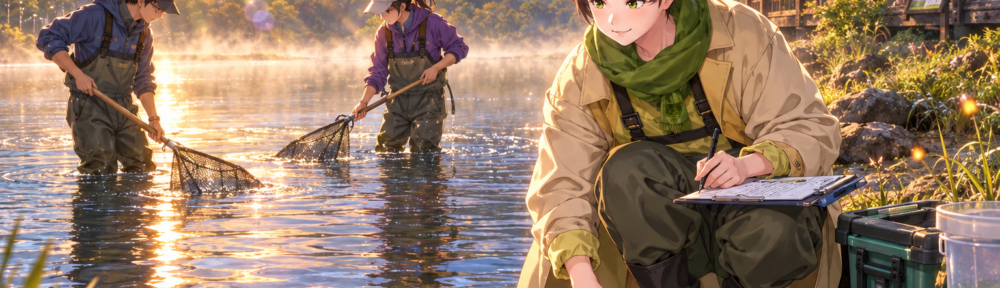
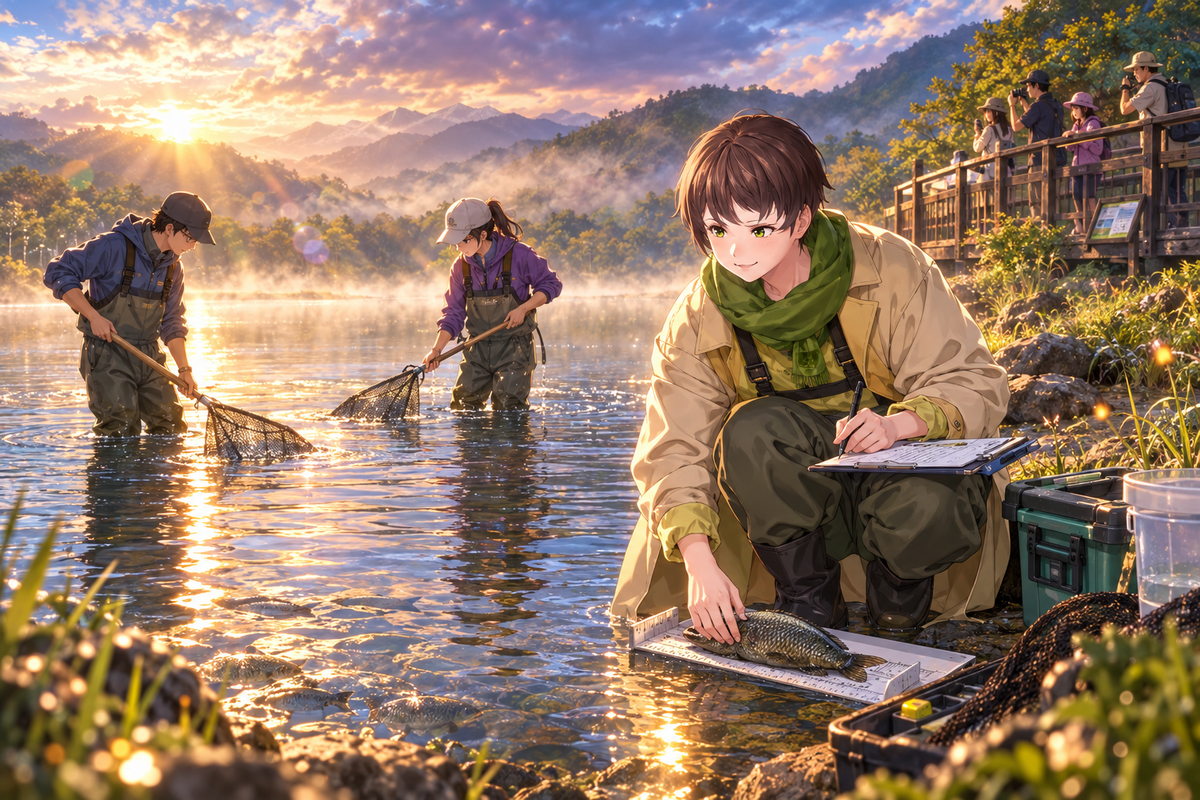
車埕貯木池的水面很安靜,水底下卻擠得很。單日撈出約 400 隻,吳郭魚、紅魔鬼、泰國鱧都有。數字漂亮,可是撈完之後最值錢的東西,是研究人員蹲在岸邊量出來的每一筆體長和體重。
一座木頭倉庫變成魚缸
車埕貯木池原本是林業集材的設施,木頭泡在水裡等著被運走。後來轉型成觀光景點,木頭走了,水留下來,遊客也來了。日月潭國家風景區管理處在車埕遊憩區展開外來魚種移除作業,背景就是遊客不當放養,原生淡水魚和水生生物的生存空間被擠壓。
放生的動機通常是善意。一桶魚倒進去,水面漾開幾圈,心情很舒坦。底下的結果卻是另一回事:外來種一旦站穩腳跟,原生種連躲的地方都沒有。
三種魚,三種吃法
吳郭魚繁殖快、耐髒水,是台灣水域最常見的外來魚。紅魔鬼體型壯、脾氣凶。泰國鱧又叫線鱧,肉食性,口裡沒有客氣這回事。三種都屬強勢物種,湊在一座封閉的貯木池裡,等於把一場擂台賽關進浴缸。
這次由自然生態保育協會的團隊執行,作法是棲地友善撈捕,搭配特定水域的專業垂釣。不用毒、不放乾水,池子本身的結構不動。對一座還要接待遊客的池塘來說,這個取捨很實際。
撈魚是動作,量魚才是研究
植物研究者看外來種問題,習慣先問一件事:入侵到哪一步了?只要看到入侵植物就拔,拔完下個月又長出來,因為沒人知道種子庫有多深、哪個角落是源頭。魚也一樣。
這次團隊在現場逐一記錄個體的體長與體重,建立日月潭水系的外來種資料庫,供後續防治與復育參考。一尾魚的長度和重量看起來瑣碎,累積起來卻能回答很具體的問題:池裡的族群是大魚多還是小魚多?是剛被放進來的,還是已經在這裡繁殖了好幾代?下次要用多少人力、什麼工具,才不會白忙。
沒有這張表,今天的 400 隻只是一個戰果。有了這張表,才算有了基準線。
撈得完嗎
單日撈走的數量不小,但池子裡還剩多少,資料還不會說話。水系是相連的,貯木池只是日月潭水系裡的一個點。這張資料庫要擴到多大、之後多久回來複查一次,目前報導沒有交代。
下一次有人提著桶子站在池邊,資料庫裡的欄位已經準備好了,只是還沒有答案,欄位會不會有填完的那一天。
— 溫以君
400 Alien Fish Out of One Log Pond in a Day
The water at 車埕貯木池 (Checheng log pond) looks calm. Underneath, it is crowded. In a single day, crews pulled out roughly 400 fish, tilapia, red devil and Thai snakehead among them. The headcount is neat. The more valuable output, though, is every length and weight figure a researcher noted on the bank.
A timber yard that became a fish tank
The pond was built as a forestry facility, a place where logs sat in water waiting to be hauled away. Then it turned into a tourist spot. The logs left, the water stayed, and visitors arrived. The Sun Moon Lake National Scenic Area Administration started removing alien fish at the Checheng recreation area, the background being improper releases by visitors, which squeezed the living space of native freshwater fish and other aquatic life.
Fish releases usually come from kind intentions. A bucket goes in, ripples spread, the heart feels light. Below the surface the result is different: once an invasive species gets established, natives have nowhere left to hide.
Three fish, three ways of taking over
Tilapia breed fast and tolerate dirty water. Red devils are heavy-bodied and hot-tempered. The Thai snakehead is a carnivore with no manners to speak of. All three are aggressive, and putting them in one enclosed log pond is like staging a cage match in a bathtub.
The work was done by a team from the 自然生態保育協會, using habitat-friendly netting combined with specialist angling in designated waters. The pond itself stays as it is. For a pond that still has to receive visitors, the trade-off is practical.
Catching is an action; measuring is research
A plant researcher looking at an invasion asks one question first: how far has it gone? Pull an invasive weed without knowing how deep the seed bank runs, and next month it is back. Fish work the same way.
On site, the team recorded each individual’s body length and weight and is building a database of alien species for the Sun Moon Lake water system, to guide later control and restoration. A single fish’s length looks trivial. Piled up, the numbers answer concrete questions. Are big fish or small fish dominant? Were they just dumped in, or have they bred here for generations? How many crew members and what tools will the next round need so the effort isn’t wasted?
Without the table, 400 fish is a tally. With it, there is a baseline.
Can it ever be finished
The one-day haul is sizeable, but how many fish remain is not yet in the data. The waters are connected, and the log pond is just one point in the Sun Moon Lake system. How far the database will extend, and how often crews will return to resurvey, is not stated in the report.
The next time someone stands at the edge with a bucket, the columns in the database are already waiting. Whether they will ever be filled in is unknown.
— 溫以君
延伸閱讀
https://justfly.idv.tw/s/Hs6dzZv