2026年,日本エンディング産業展迎來200家參展商、15,000名業界人士。60%是新進者。這不是醫療器材展,是殯葬展。更驚人的是,遊戲IP《龍が如く》竟推出冠婚葬祭主題展——這是首個遊戲IP進入生死場域的案例。死亡,曾經是商業避之唯恐不及的禁忌,現在成了設計師與創業者眼中的「白地市場」。
紙紮師傅的符號系統
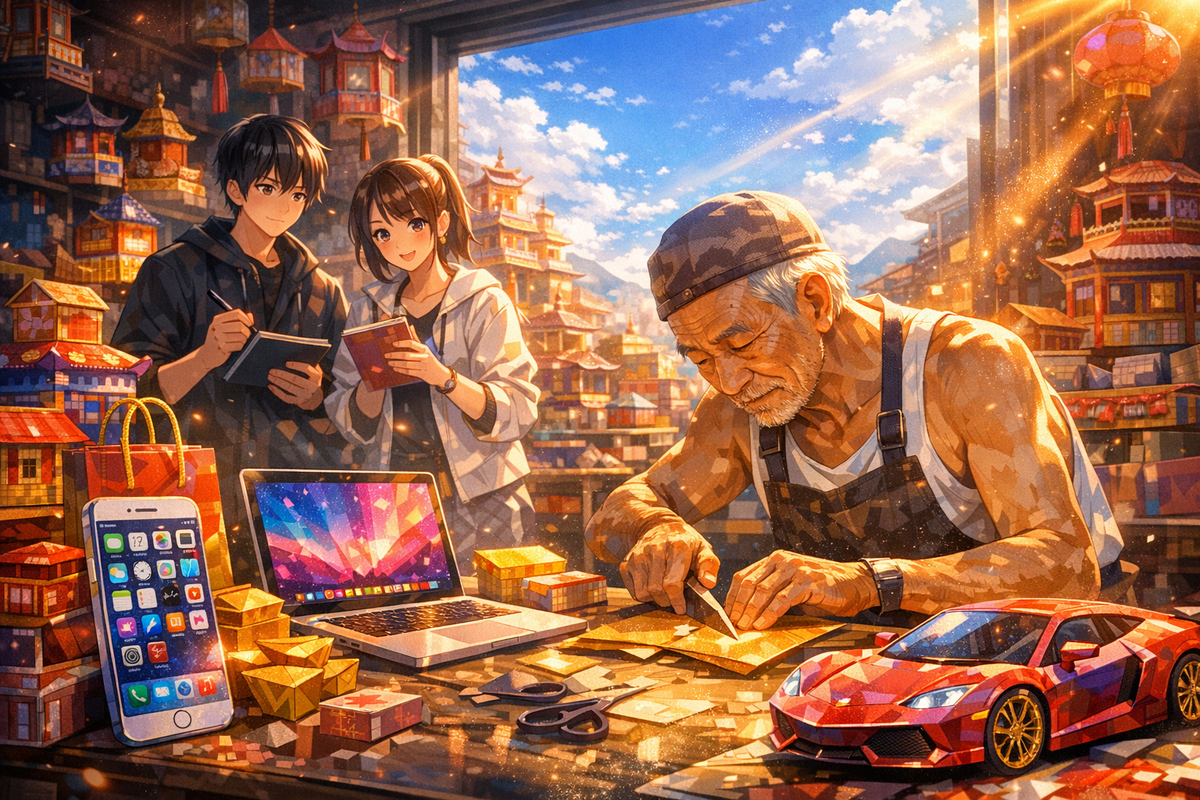
台灣的紙紮藝術正在經歷一場安靜的復興。傳統紙紮電視、紙紮汽車已不稀奇,近年紙紮iPhone、紙紮筆電成為常見品項。這不是惡搞,是活人對死者生活想像的認真投射。閩南、客家、原住民、外省四大族群的生命禮俗在台灣碰撞出獨特的符號系統:什麼該燒、什麼該留、什麼時候燒,都有講究。紙紮師傅手上那把剪刀,剪的不只是紙,是「讓死者在另一個世界也能過得體面」的集體想像。
台南每年農曆7月7日的「做十六歲」成年禮,某種程度上是這套符號系統的延伸——生命儀式從來不只關於個人,而是社群如何透過儀式重新確認彼此的位置。「人情留一線,日後好相見」,台灣禮俗文化的核心不是宗教教義,是社會關係的維護成本。這也是為什麼台灣的告別儀式如此繁複:每一個細節都是社群網路的接口。
日本終活vs.台灣紙紮
日本的「終活」文化已進入成熟商業階段——預先規劃自己的葬禮、挑選墓地、整理遺物,甚至拍攝遺照寫真。這是高齡化社會的理性對策,也是把「死亡焦慮」打包成可購買服務的商業模式。但終活賣的是「控制感」,台灣紙紮賣的是「想像力」。前者是生者對自己死亡的管理,後者是生者對死者世界的建構。
兩者碰撞會發生什麼?日本設計師開始挖掘台灣紙紮藝術,不是要照搬工藝,而是想理解:為什麼台灣人可以如此具體、如此不避諱地談論死後的物質需求?這種「談論死亡的空間」,在許多文化中根本不存在。台灣紙紮藝術提供的,是一套完整的「告別美學語言」——不只是哀悼,還有祝福、想像、甚至幽默。
被低估的文化出口
《龍が如く》IP進入冠婚葬祭市場,證明了一件事:死亡不再是商業禁區,而是可以被設計、被娛樂化、被IP化的場域。但遊戲IP做的是「借用符號」,台灣紙紮藝術本身就是符號生產者。問題是,這套符號系統能否被翻譯成其他文化也能理解的「告別服務」?
台灣生命禮俗的核心價值——儀式感與社群連結——在後疫情時代反而更顯珍貴。當線上追思會、NFT墓碑成為選項,台灣的紙紮師傅、禮儀師、甚至道士,手上握著的是「如何讓告別有溫度」的技術。這不是懷舊,是差異化優勢。日本有終活產業鏈,台灣有紙紮符號系統。前者是產品,後者是語言。語言可以被學習、被改編、被輸出。
エンディング産業展的15,000名參與者,有多少人知道台灣紙紮iPhone的存在?又有多少人理解,那不是迷信商品,而是一套關於「尊嚴告別」的文化提案?
— 張可薇
延伸閱讀
Paper iPhones and Death Expos: The Business of Goodbye
In 2026, Japan’s Ending Industry Expo will host 200 exhibitors and 15,000 industry professionals. 60% are newcomers. This isn’t a medical equipment show—it’s a funeral expo. More surprising: the game IP Yakuza (龍が如く) launched a wedding-and-funeral themed exhibition, the first time a game franchise entered the death sector. Death, once a commercial taboo, is now what designers and entrepreneurs call “white space.”
The Paper Craftsman’s Symbol System
Taiwan’s paper offering craft is experiencing a quiet revival. Traditional paper TVs and cars are old news; paper iPhones and laptops are now standard items. This isn’t parody—it’s a serious projection of how the living imagine the dead’s afterlife needs. Four ethnic traditions (Hoklo, Hakka, Indigenous, Mainlander) collide in Taiwan’s funeral customs to create a unique symbol system: what to burn, what to keep, when to burn it—all have rules. The paper craftsman’s scissors don’t just cut paper; they shape the collective imagination of “dignified afterlife.”
Tainan’s annual “Coming of Age at Sixteen” ritual (農曆 7/7) extends this symbol system—life rituals are never just personal, but how communities reaffirm each other’s positions through ceremony. “Leave room in relationships for future encounters”—Taiwan’s ritual culture isn’t about religious doctrine, but the maintenance cost of social networks. This is why Taiwanese farewell ceremonies are so elaborate: every detail is an interface in the social network.
Japanese Shūkatsu vs. Taiwanese Paper Offerings
Japan’s “shūkatsu” (終活, end-of-life planning) culture has reached commercial maturity—pre-planning your funeral, selecting burial plots, organizing belongings, even shooting memorial portraits. It’s a rational response to an aging society and a business model that packages “death anxiety” into purchasable services. But shūkatsu sells “control”; Taiwan’s paper craft sells “imagination.” The former is the living managing their own death; the latter is the living constructing the world of the dead.
What happens when they collide? Japanese designers are mining Taiwan’s paper craft—not to copy techniques, but to understand: why can Taiwanese people talk so concretely, so unabashedly, about material needs after death? This “space to discuss death” doesn’t exist in many cultures. Taiwan’s paper craft offers a complete “aesthetic language of farewell”—not just mourning, but blessing, imagination, even humor.
The Underestimated Cultural Export
Yakuza entering the funeral market proves one thing: death is no longer a commercial no-go zone, but a domain that can be designed, gamified, and IP-ified. But game IPs “borrow symbols”—Taiwan’s paper craft actually produces them. The question: can this symbol system be translated into “farewell services” other cultures understand?
The core values of Taiwan’s life rituals—ceremonial weight and community bonding—are more precious in the post-pandemic era. When online memorial services and NFT tombstones become options, Taiwan’s paper craftsmen, funeral directors, even Taoist priests hold the technology of “making farewell warm.” This isn’t nostalgia; it’s differentiation. Japan has a shūkatsu industry chain. Taiwan has a paper craft symbol system. The former is product. The latter is language. Language can be learned, adapted, exported.
Of the 15,000 attendees at the Ending Industry Expo, how many know about Taiwan’s paper iPhones? And how many understand that it’s not superstition merchandise, but a cultural proposal about “dignified goodbye”?
— 張可薇