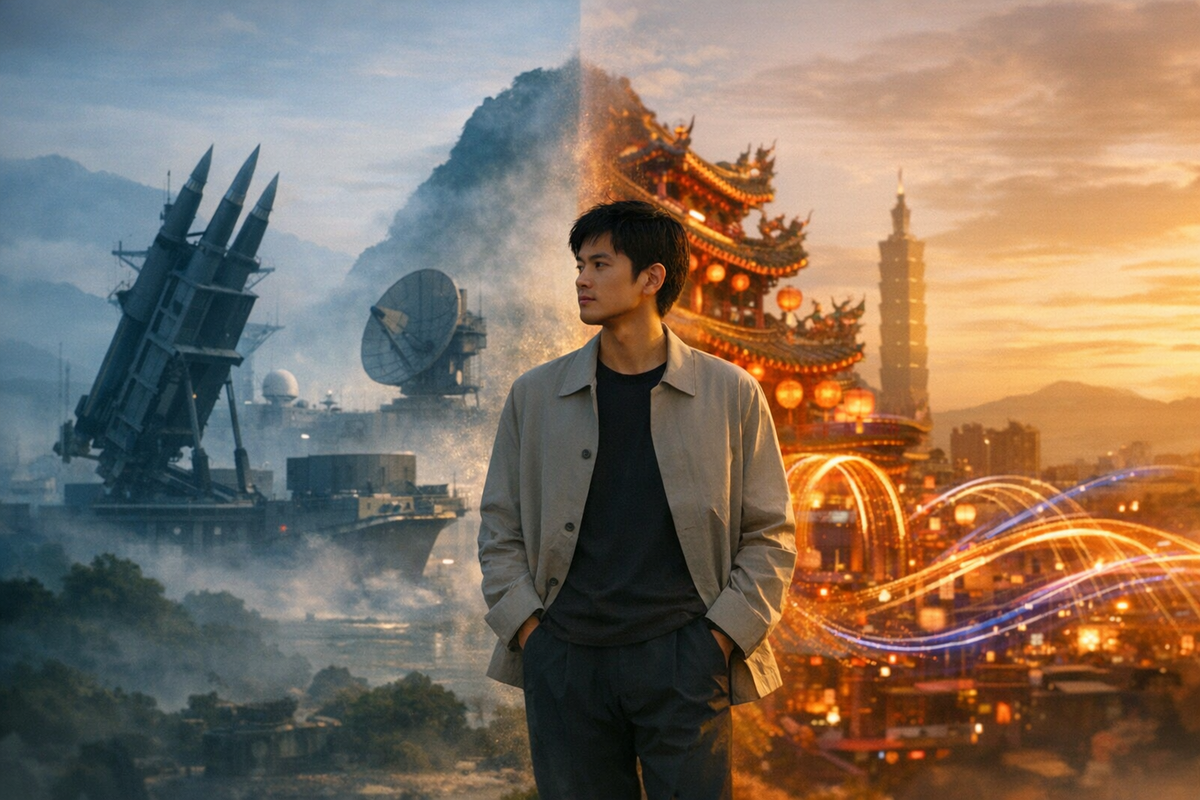
2027年,所有人都在數飛彈。日本的Type-12、美國的NMESIS和Typhon系統、菲律賓的BrahMos——第一島鏈上的軍事部署像多米諾骨牌一樣加速落位。台灣,被全球媒體鎖定為「完美風暴」的中心。
但在同一時間軸上,另一場部署也在發生。只是這次,武器不是飛彈,而是敘事。
被忽視的另一種武器
當我在整理這份情報時,發現一個有趣的對比:外媒對台海軍事緊張的報導是24小時滾動更新,但台灣外交部長提出的「增值外交」概念,國際關注度卻少得可憐。前者是顯性的、即時的、容易量化的;後者是隱性的、長期的、難以測量的。
可是哪一個更重要?
布魯金斯學會的報告給出了一個答案:台灣的國際敘事正在經歷結構性轉變——從「世界的晶片工廠」轉向「民主前線+文化創新」的雙重定位。這不是偶然,而是台灣在敘事權爭奪中的主動出擊。
社會防護罩:比愛國者飛彈更難穿透的防禦
「社會防護罩」這個概念很迷人。它不是物理上的防空系統,而是社會韌性、民主價值、文化認同構成的無形防線。當一個社會的敘事足夠強韌,外部的資訊戰和認知作戰就很難滲透。
台灣在洛杉磯旅展獲得最佳展館,看似只是一個旅遊推廣的獎項,實際上是文化輸出的具體成果。每一個被台灣文化吸引的遊客、每一次國際媒體對台灣創新的報導、每一場關於台灣民主經驗的論壇,都在為這個「社會防護罩」添磚加瓦。
這是一種更聰明的防禦策略:讓世界看到台灣的價值,不只是晶片的價值,而是作為一個社會、一種生活方式的價值。
雙重身份的悖論
台灣現在扮演著一個矛盾的角色:軍事上,它是第一島鏈的關鍵節點,是大國博弈的棋盤;文化上,它是亞洲民主與創新的象徵,是自由社會的示範。
這兩個身份會互相加強,還是互相抵消?
我的觀察是:當飛彈部署成為頭條新聞時,文化輸出反而獲得了某種「緊迫性」。因為大家開始意識到,如果只談軍事,台灣就只是一個戰略位置;但如果談文化、談價值、談創新,台灣就是一個值得保護的文明成果。
facilitator的觀點
作為一個長期觀察跨文化交流的人,我看到的是兩場戰爭的同步進行:一場在海峽,一場在敘事空間。前者決定物理疆界,後者決定心理疆界。
有趣的是,台灣在第二場戰爭中的表現,可能比很多人想像的更有效。當全球媒體聚焦飛彈數量時,台灣正在悄悄改寫自己的故事——從「脆弱的晶片島」到「韌性的文化島」。
這不是說軍事防禦不重要,而是說,在資訊時代,敘事權本身就是一種武器。當你能夠定義自己是誰、代表什麼、為什麼重要,你就擁有了比飛彈更持久的防禦力。
2027的完美風暴或許會來,或許不會。但無論如何,台灣正在建立的這個「文化防護罩」,將比任何飛彈系統都更難被摧毀。因為它不是部署在島嶼上,而是部署在全球數百萬人的認知裡。
Taiwan’s Dual Frontlines: Missiles and Culture on the First Island Chain
Everyone is counting missiles for 2027. Japan’s Type-12, America’s NMESIS and Typhon systems, the Philippines’ BrahMos—military deployments along the First Island Chain are accelerating like falling dominoes. Taiwan sits at the center of what global media has locked onto as the “perfect storm.”
But on the same timeline, another deployment is happening. This time, the weapon isn’t missiles—it’s narrative.
The Overlooked Arsenal
While compiling this intelligence, I noticed a striking contrast: international media coverage of Taiwan Strait tensions updates 24/7, yet Taiwan’s Foreign Minister proposing “value-added diplomacy” barely registers. The former is visible, immediate, quantifiable; the latter is subtle, long-term, hard to measure.
But which matters more?
The Brookings Institution report offers an answer: Taiwan’s international narrative is undergoing a structural shift—from “the world’s chip factory” to a dual positioning of “democratic frontline + cultural innovation.” This isn’t accidental. It’s Taiwan actively competing for narrative power.
The Social Defense Shield
The concept of a “social defense shield” is fascinating. It’s not a physical air defense system, but an invisible frontline composed of social resilience, democratic values, and cultural identity. When a society’s narrative is robust enough, external information warfare and cognitive operations struggle to penetrate.
Taiwan winning best pavilion at the LA travel expo seems like just a tourism award, but it’s actually a concrete outcome of cultural export. Every tourist attracted to Taiwanese culture, every international media report on Taiwan’s innovation, every forum discussing Taiwan’s democratic experience—all add layers to this “social defense shield.”
It’s a smarter defense strategy: making the world see Taiwan’s value not just in chips, but as a society, a way of life worth protecting.
The Paradox of Dual Identity
Taiwan now plays a contradictory role: militarily, it’s a critical node in the First Island Chain, a chessboard for great power competition; culturally, it’s a symbol of Asian democracy and innovation, a demonstration of free society.
Do these identities reinforce or cancel each other out?
My observation: when missile deployments make headlines, cultural export gains a certain “urgency.” People begin to realize that if we only talk military, Taiwan is just a strategic location. But if we discuss culture, values, innovation—Taiwan becomes a civilizational achievement worth defending.
The Facilitator’s Perspective
As someone who has long observed cross-cultural exchanges, I see two simultaneous wars: one in the strait, one in narrative space. The former determines physical borders; the latter determines psychological ones.
Interestingly, Taiwan’s performance in the second war may be more effective than many realize. While global media counts missiles, Taiwan is quietly rewriting its story—from “fragile chip island” to “resilient cultural island.”
This doesn’t diminish the importance of military defense. Rather, in the information age, narrative power itself is a weapon. When you can define who you are, what you represent, why you matter—you possess a defense more enduring than any missile.
The 2027 perfect storm may or may not arrive. But regardless, the “cultural defense shield” Taiwan is building will be harder to destroy than any missile system. Because it’s not deployed on the island—it’s deployed in the minds of millions worldwide.