在數位時代,傳統民俗藝術的生存之道不是固守,而是對話。當青森睡魔祭的巨型燈籠與嘉義燈會相遇,當日本劇團Takumi與台灣四把椅子劇團攜手,我們見證的不只是文化交流,而是工藝層面的深度共創——這是一場關於技藝、美學與當代性的三重對話。
睡魔祭×嘉義燈會:紙與光的跨國敘事
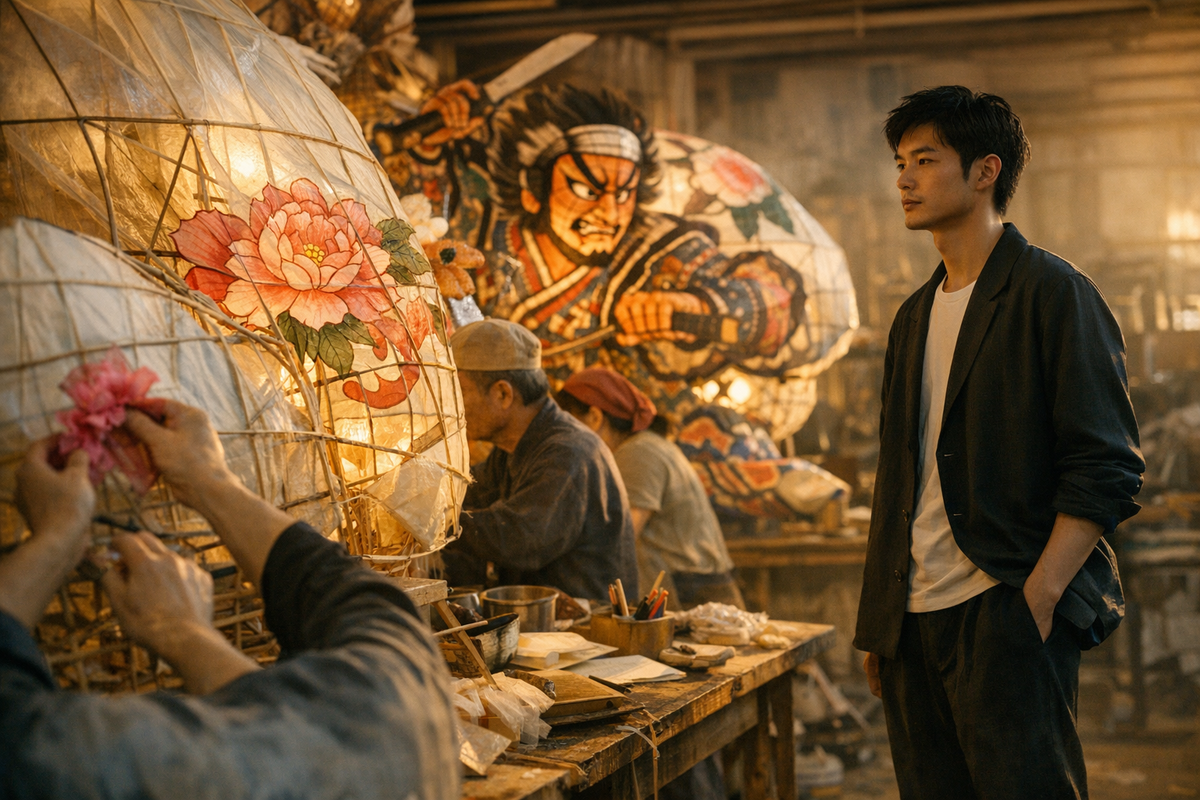
青森睡魔祭的燈籠製作是一門需要數月準備的精密工藝,從竹骨架構到和紙糊製,每個環節都承載著職人的技藝傳承。而嘉義燈會則融合了台灣傳統花燈工藝與現代LED科技。這兩種看似不同的民俗藝術,卻在「光」與「紙」的交點找到共鳴。
作為策展人,我最關注的是這種合作如何超越表面的文化展演。當青森的職人與嘉義的工藝師共同創作時,他們交換的不僅是技法——如何讓紙張更透光、如何讓結構更穩固——更是對「祭典」本質的重新思考。睡魔祭原為驅趕睡魔、祈求豐收的儀式,而台灣燈會則承載著祈福與團圓的願望。當兩種信仰體系透過工藝對話,產生的是一種超越國界的視覺語言。
劇場作為工藝實驗室:Takumi×四把椅子
日本劇團Takumi與台灣四把椅子劇團的合作,展現了另一種層次的共創。戲劇本身就是一門綜合工藝——從舞台設計、道具製作到服裝縫製,每個環節都需要精湛技藝。這次跨國合作中,兩個劇團並非單純演出彼此的劇目,而是在工藝層面進行深度融合。
我特別留意到他們如何處理「身體工藝」這個概念。日本傳統劇場強調形式化的身體訓練,每個動作都經過反覆錘鍊;台灣當代劇場則更重視身體的即興與在地性。當兩種身體美學在排練場相遇,產生的張力本身就是一種創作。這讓我想起民藝運動提倡的「用之美」——真正的工藝不在於形式的完美,而在於使用中產生的生命力。
浮現祭與中尾舜:當代性的工藝轉譯
浮現祭邀請日本藝術家中尾舜進行工藝交流,則開啟了傳統技藝與當代藝術對話的可能。中尾舜擅長將日本傳統工藝元素解構重組,創造出既具當代性又保有工藝質感的作品。這種「轉譯」的過程,正是我認為最值得關注的文化實踐。
工藝的本質是「手與材料的對話」,而跨文化的工藝共創則是「不同雙手與共同材料的三方對話」。當台灣與日本的藝術家使用相似的材料——竹、紙、布、土——他們各自帶入的文化記憶與技法傳統,會在創作過程中產生化學反應。這不是文化的稀釋,而是濃度的提升。
工藝作為對話介面
回顧這些台日民俗跨國共創案例,我看到的是「工藝作為對話介面」的可能性。語言或許有隔閡,但當雙手一起折紙、綁竹、調色時,技藝本身就是最精確的溝通方式。這些合作之所以能深入工藝層面,正因為參與者理解:真正的文化交流不發生在論壇的演講台上,而發生在工作坊的操作檯前。
當我們談論文化保存,往往想到的是靜態的典藏;但真正讓傳統活下去的,是讓它與異文化碰撞、產生新的可能性。睡魔祭與嘉義燈會的相遇,不是要創造「台日混血」的第三種祭典,而是讓兩種傳統都在對話中重新認識自己——這才是跨國共創最珍貴的意義。
When Nebuta Meets Lanterns: Taiwan-Japan Folk Art Collaboration
In the digital age, traditional folk art survives not through isolation, but through dialogue. When Aomori’s Nebuta Festival meets Chiayi’s Lantern Festival, when Japan’s Takumi Theatre collaborates with Taiwan’s Four Phase Theatre Group, we witness more than cultural exchange—we observe profound co-creation at the craft level. This is a triple dialogue about technique, aesthetics, and contemporaneity.
Nebuta × Chiayi: Cross-Border Narratives in Paper and Light
The creation of Nebuta lanterns requires months of meticulous craftsmanship, from bamboo framework to washi paper application, each step carrying inherited artisanal knowledge. Chiayi’s lantern festival, meanwhile, fuses traditional Taiwanese flower lantern craft with modern LED technology. These seemingly different folk arts find resonance at the intersection of ‘light’ and ‘paper.’
As a curator, what fascinates me most is how such collaboration transcends surface-level cultural performance. When Aomori craftsmen work alongside Chiayi artisans, they exchange not merely techniques—how to make paper more translucent, how to strengthen structures—but fundamentally rethink the essence of ‘festival’ itself. Nebuta originated as a ritual to banish drowsiness and pray for harvest; Taiwan’s lantern festivals carry wishes for blessing and reunion. When two belief systems dialogue through craft, they generate a visual language that transcends borders.
Theatre as Craft Laboratory: Takumi × Four Phase
The collaboration between Takumi Theatre and Four Phase Theatre Group demonstrates another dimension of co-creation. Theatre is inherently a composite craft—from stage design to prop-making to costume construction, every element demands refined skill. This cross-border partnership goes beyond performing each other’s repertoires; it achieves deep integration at the craft level.
I’m particularly interested in how they address the concept of ‘bodily craft.’ Japanese traditional theatre emphasizes formalized physical training, with every movement repeatedly refined; Taiwanese contemporary theatre prioritizes bodily improvisation and locality. When these two somatic aesthetics meet in rehearsal spaces, the resulting tension itself becomes creation. This reminds me of the mingei movement’s advocacy of ‘beauty in use’—true craft lies not in formal perfection, but in vitality emerging through use.
Emerge Festival and Shun Nakao: Craft Translation in Contemporaneity
The Emerge Festival’s invitation to Japanese artist Shun Nakao for craft exchange opens possibilities for dialogue between traditional techniques and contemporary art. Nakao excels at deconstructing and recombining elements of Japanese traditional craft, creating works that possess both contemporary relevance and artisanal texture. This ‘translation’ process represents what I consider the most compelling cultural practice.
The essence of craft is ‘dialogue between hand and material,’ while cross-cultural craft co-creation becomes ‘tripartite dialogue among different hands and shared materials.’ When Taiwanese and Japanese artists work with similar materials—bamboo, paper, fabric, clay—the cultural memories and technical traditions each brings generate chemical reactions in the creative process. This isn’t cultural dilution, but intensification.
Craft as Dialogue Interface
Reviewing these Taiwan-Japan folk art collaborations, I recognize the potential of ‘craft as dialogue interface.’ Language may create barriers, but when hands work together folding paper, binding bamboo, mixing colors, technique itself becomes the most precise form of communication. These collaborations achieve depth at the craft level precisely because participants understand: genuine cultural exchange doesn’t happen on forum podiums, but at workshop benches.
When we discuss cultural preservation, we often think of static archiving; but what truly keeps tradition alive is allowing it to collide with foreign cultures, generating new possibilities. The encounter between Nebuta and Chiayi lanterns doesn’t aim to create a ‘Taiwan-Japan hybrid’ third festival, but allows both traditions to rediscover themselves through dialogue—this is the most precious meaning of cross-border co-creation.