
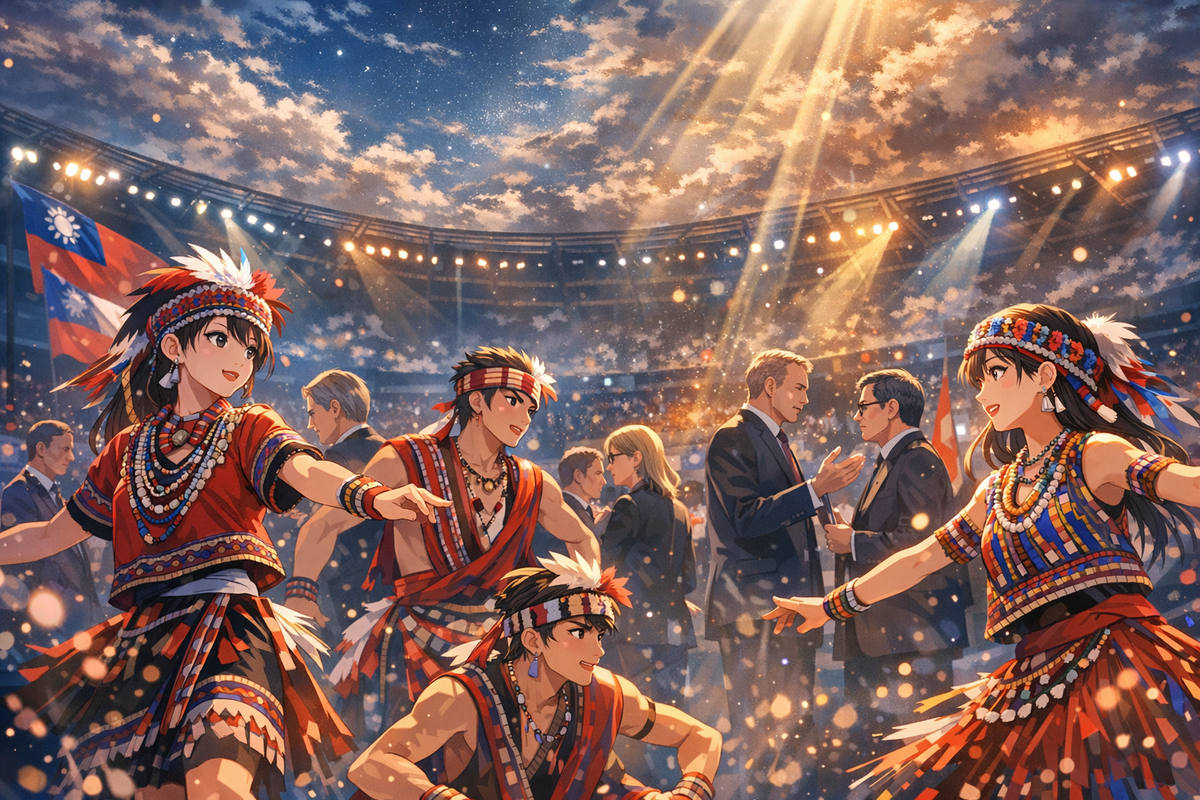
2024年初,台灣女子足球隊在亞洲盃賽前的一場文化表演,意外揭開了台灣原住民文化在國際舞台上的尷尬處境。原定的原住民舞蹈表演,險些因主辦單位以「球隊敏感性」為由被取消,直到外交官緊急介入才得以恢復。這不是單純的賽事插曲,而是文化主權在地緣政治夾縫中的生存戰。
被政治化的文化展演
諷刺的是,就在台灣原住民文化在國際場合遭遇打壓的同時,菲律賓芭蕾舞團卻以南島語族遷徙為主題的舞碼,在國際舞台上獲得廣泛認可。同樣的南島文化敘事,在紐西蘭毛利人的 haka 戰舞中被視為國家驕傲,在夏威夷的呼拉舞中成為文化認同的象徵,卻在台灣的國際展演中變成「政治敏感議題」。
這種矛盾背後,反映的是台灣在國際政治中的特殊位置。當文化展演被迫背負地緣政治的重量,原住民族群的文化主體性便成為第一線的犧牲品。一場舞蹈表演的取消與恢復,折射出的是台灣文化工作者在國際舞台上必須不斷面對的「能見度」與「政治正確」之間的拉扯。
被低估的南島起源論述
然而,台灣在南島語族歷史中的地位,遠比許多人想像的更為關鍵。語言學、古 DNA 研究、甚至構樹 DNA 的跨學科證據,都指向同一個結論:約 5000 年前,南島語族從台灣東部出發,開啟了人類史上最壯闊的海洋遷徙。從馬達加斯加到復活節島,從紐西蘭到夏威夷,這個族群征服了半個地球的海域。
這不僅是考古學的發現,更是台灣在地緣政治論述中被長期忽視的文化資本。當台灣在國際政治舞台上尋找定位時,南島起源地的身份提供了一個超越主權爭議的文化連結。關島與高雄成為姊妹市,台灣即將重返太平洋島嶼論壇(PIF),這些發展都在重新啟動台灣與太平洋島國的文化外交網絡。
文化主權的最前線
台灣原住民文化面臨的困境,本質上是「文化主權」的爭奪戰。當一個族群的文化展演需要外交官介入才能保全,當傳統舞蹈必須在政治正確的框架下被審視,文化本身的主體性已經被嚴重侵蝕。
更深層的問題在於,台灣社會對於原住民文化的國際價值仍認識不足。南島語族的起源論述,不應只是學術界的討論議題,而應該成為台灣對外文化論述的核心之一。當菲律賓、紐西蘭都能自信地將原住民文化作為國家品牌的一部分,台灣卻仍在國際場合中謹慎地避免「過度展現」原住民元素,這本身就是一種文化自信的缺失。
重返太平洋的契機
台灣與太平洋島國的文化連結,或許是突破國際孤立困境的另一條路徑。當地緣政治的傳統框架難以突破時,文化與歷史的紐帶可能提供新的可能性。重返太平洋島嶼論壇,不只是外交政策的調整,更是對台灣南島起源地身份的重新確認。
原住民舞蹈被取消又恢復的這場風波,提醒我們文化展演從來不只是藝術表現,更是身份認同與政治角力的場域。台灣要在國際舞台上找到自己的聲音,或許需要更大膽地擁抱那些真正屬於這片土地的文化資產,而不是在政治壓力下不斷自我審查。畢竟,5000 年前從這裡出發的航海者,可沒有因為政治敏感性而停下腳步。
— 杜雅雯
When Indigenous Dance Becomes ‘Politically Sensitive’: Taiwan’s Austronesian Dilemma
In early 2024, a cultural performance before Taiwan’s women’s football team match at the Asian Cup unexpectedly exposed the awkward position of Taiwanese indigenous culture on the international stage. A planned indigenous dance performance was nearly cancelled by organizers citing ‘team sensitivity,’ only restored after urgent diplomatic intervention. This was not merely a sporting incident, but a survival battle for cultural sovereignty caught in geopolitical crossfire.
The Politicization of Cultural Expression
Ironically, while Taiwan’s indigenous culture faces suppression in international venues, the Philippine Ballet Theatre received widespread acclaim for a dance piece themed around Austronesian migration. The same Austronesian cultural narrative is celebrated as national pride in New Zealand’s Māori haka, embraced as cultural identity in Hawaiian hula, yet becomes ‘politically sensitive’ when Taiwan attempts international performances.
This contradiction reflects Taiwan’s unique position in international politics. When cultural performances are forced to bear the weight of geopolitics, the cultural agency of indigenous peoples becomes the first casualty. The cancellation and restoration of a dance performance mirrors the constant tension Taiwanese cultural workers face between ‘visibility’ and ‘political correctness’ on the global stage.
The Underestimated Austronesian Origin Narrative
Yet Taiwan’s role in Austronesian history is far more significant than many realize. Converging evidence from linguistics, ancient DNA research, and even paper mulberry genetics points to one conclusion: approximately 5,000 years ago, Austronesian peoples departed from eastern Taiwan, launching one of humanity’s most epic maritime migrations. From Madagascar to Easter Island, from New Zealand to Hawaii, this group conquered half the world’s oceans.
This is more than archaeological discovery—it represents cultural capital long overlooked in Taiwan’s geopolitical discourse. As Taiwan seeks its position on the international stage, its identity as the Austronesian homeland offers cultural connections that transcend sovereignty disputes. Guam and Kaohsiung becoming sister cities, Taiwan’s anticipated return to the Pacific Islands Forum (PIF)—these developments are reactivating Taiwan’s cultural diplomatic network with Pacific island nations.
The Frontline of Cultural Sovereignty
The dilemma facing Taiwan’s indigenous culture is essentially a struggle for ‘cultural sovereignty.’ When a people’s cultural expression requires diplomatic intervention to be preserved, when traditional dance must be vetted through political correctness frameworks, the culture’s own agency has been severely eroded.
The deeper issue is that Taiwanese society still insufficiently recognizes the international value of indigenous culture. The Austronesian origin narrative should not remain merely an academic discussion topic, but should become central to Taiwan’s external cultural discourse. While the Philippines and New Zealand confidently position indigenous culture as part of their national brand, Taiwan remains cautious about ‘over-displaying’ indigenous elements in international settings—itself a manifestation of cultural insecurity.
The Opportunity to Return to the Pacific
Taiwan’s cultural connection with Pacific island nations may offer an alternative path through international isolation. When traditional geopolitical frameworks prove impenetrable, cultural and historical bonds might provide new possibilities. Returning to the Pacific Islands Forum represents not just foreign policy adjustment, but reaffirmation of Taiwan’s identity as the Austronesian homeland.
The incident of indigenous dance being cancelled then restored reminds us that cultural performance is never merely artistic expression—it is a field where identity and political contestation collide. For Taiwan to find its voice on the international stage, perhaps it needs to more boldly embrace the cultural assets truly belonging to this land, rather than constantly self-censoring under political pressure. After all, the navigators who departed from here 5,000 years ago did not pause for political sensitivities.
— Tu Ya-wen