
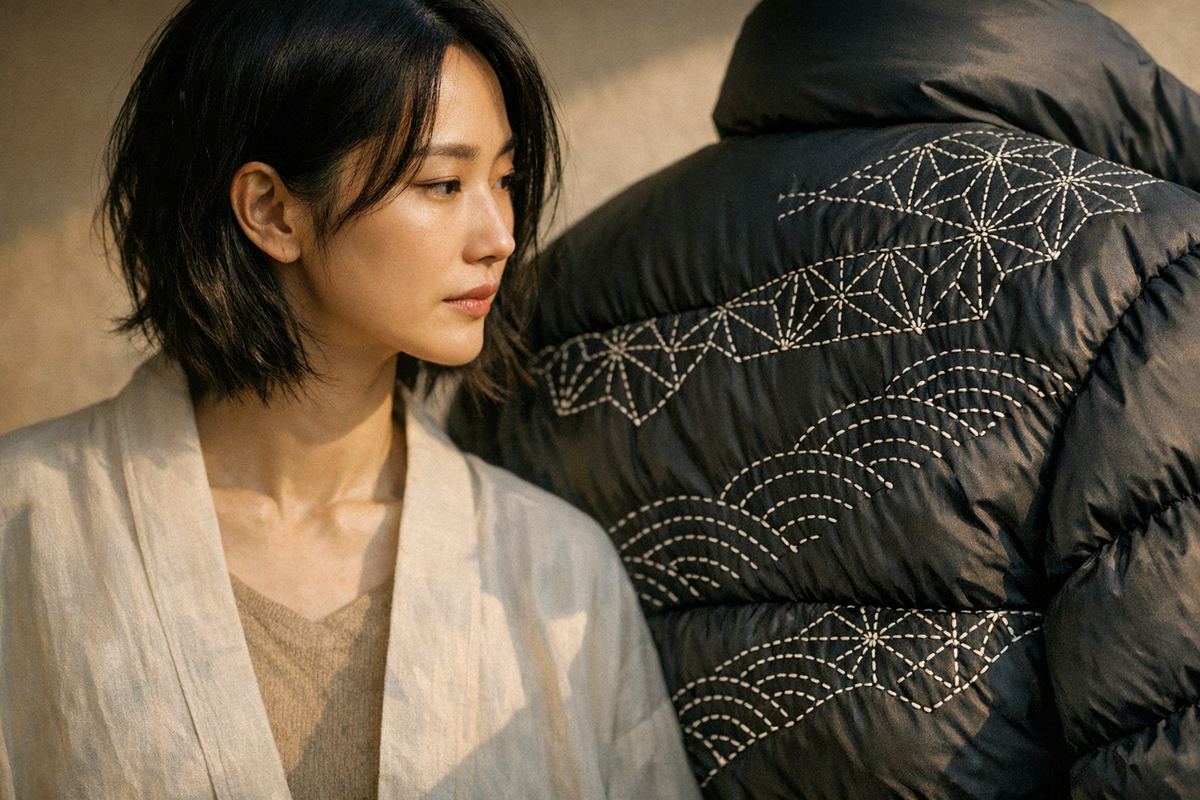
上週在台北華山看燕三条金屬工藝展時,我注意到一個有趣現象:觀展的年輕人不是在欣賞「傳統」,而是在討論「我家廚房可以放這個嗎」。這讓我想起最近在Instagram上爆紅的SASHIKO GALS——她們把日本傳統刺子繡縫上North Face Nuptse羽絨外套,每件售價超過十萬日圓,卻依然秒殺。
這不是工藝的博物館化,而是工藝的當代重生。
從修補技藝到時尚語彙
刺子繡原本是日本農村的修補技術,用白線在藍染布上密密縫製,既加固衣物又能保暖。但SASHIKO GALS選擇的畫布是North Face——這個象徵都市戶外文化的品牌。當傳統的幾何紋樣爬上現代機能外套,產生的不是違和感,而是一種時空對話。
我特別欣賞她們的策略:不是複製傳統樣式,而是理解刺子繡的核心精神——「用心修補、延長物命」。在快時尚當道的今天,這種態度本身就是最激進的當代性。選擇North Face也很聰明,因為這些外套本身就有長久的使用價值,刺子繡讓它從功能品變成傳家寶。
工藝不需要玻璃櫃
燕三条這次來台展出18個金屬工藝品牌,我最深刻的感受是「可以摸、可以用」。不像博物館裡那些隔著玻璃的「文化財」,這些刀具、餐具、廚具就是要你帶回家,每天使用。
Toma House的金繼駐村計畫也是同樣邏輯。金繼本是修復破碎陶瓷的技法,用金粉讓裂痕變成美的一部分。但Toma House不把它當成「修復服務」,而是設計成藝術體驗——讓參加者在修補物件的過程中,重新思考「完整」的定義。破碎不是終結,而是重生的起點。
在地對話:當念珠遇見台灣茶
京都念珠品牌跨界合作台灣茶香水,這個案例特別有意思。念珠在日本是宗教法器,但他們萃取的是其中的「儀式感」和「靜心」意涵,與台灣茶文化的冥想特質結合。這不是文化挪用,而是找到兩種傳統之間的共振頻率。
台灣也有類似實踐。春池玻璃的「透明廟仔」把回收玻璃做成廟宇造型裝置,印花樂用台灣花布圖騰重新詮釋國際IP。這些創作都在問同一個問題:傳統元素如何成為當代語彙的一部分,而不只是懷舊符號?
策展人的觀察:脈絡才是關鍵
作為策展人,我常被問:「這樣做會不會破壞傳統?」但我更關心的是:如果傳統只能活在博物館裡,那它已經死了。
真正的傳統從來不是靜止的。刺子繡當年也是因應生活需求而生,金屬工藝本來就是為了使用。當代轉譯不是背叛傳統,而是延續傳統的生命力——讓它在新的時空脈絡中繼續有意義。
SASHIKO GALS們的成功不只是因為「傳統+潮牌」的公式,而是她們真正理解了刺子繡的精神內核,並找到與當代生活的連接點。這需要的不是懷舊情懷,而是創造性的詮釋能力。
工藝的當代性不在於它有多古老,而在於它能否回應此時此地的生活提問。當傳統技藝走出玻璃櫃、走進日常,它才真正活著。
When Sashiko Meets North Face: Traditional Crafts Go Contemporary
Last week at the Tsubame-Sanjo metalwork exhibition in Taipei, I noticed something curious: young visitors weren’t admiring “tradition”—they were discussing whether pieces would fit their kitchens. This reminded me of SASHIKO GALS, the Instagram sensation stitching traditional Japanese sashiko embroidery onto North Face Nuptse jackets, selling out at over 100,000 yen each.
This isn’t craft preservation. This is craft resurrection.
From Mending to Statement-Making
Sashiko originated as a rural mending technique—white thread densely stitched onto indigo-dyed fabric for reinforcement and warmth. But SASHIKO GALS chose North Face as their canvas, a brand synonymous with urban outdoor culture. When traditional geometric patterns climb onto modern technical outerwear, the result isn’t dissonance but temporal dialogue.
What I appreciate most is their strategy: they don’t replicate traditional patterns, they understand sashiko’s core ethos—”mindful repair, extended object life.” In our fast-fashion era, this attitude is radically contemporary. Choosing North Face is clever too, since these jackets already have longevity; sashiko transforms them from functional gear into heirlooms.
Craft Doesn’t Need Glass Cases
The Tsubame-Sanjo exhibition’s 18 metalwork brands emphasized one thing: touch and use. Unlike museum “cultural properties” behind glass, these knives, utensils, and cookware demand daily engagement.
Toma House’s kintsugi residency program follows similar logic. Kintsugi repairs broken ceramics with gold powder, making cracks part of the beauty. But Toma House frames it as artistic experience rather than repair service—participants reconsider “wholeness” through mending. Brokenness becomes not an ending but a beginning.
Local Dialogues: Prayer Beads Meet Taiwanese Tea
A Kyoto prayer bead brand collaborating with Taiwanese tea perfume is particularly intriguing. Prayer beads are religious implements in Japan, but the collaboration extracts their essence—ritual and mindfulness—resonating with Taiwan’s tea meditation culture. This isn’t cultural appropriation but finding harmonic frequencies between traditions.
Taiwan has parallel practices. Spring Pool Glass’s “Transparent Temple” transforms recycled glass into temple installations. inBlooom reinterprets international IPs through Taiwanese floral motifs. All ask the same question: how can traditional elements become contemporary vocabulary, not merely nostalgic symbols?
A Curator’s Perspective: Context Is Everything
As a curator, I’m often asked: “Won’t this destroy tradition?” But I’m more concerned with: if tradition only lives in museums, it’s already dead.
Authentic tradition was never static. Sashiko emerged from practical needs; metalwork was always meant for use. Contemporary translation isn’t betrayal—it’s extending tradition’s vitality, making it meaningful in new contexts.
SASHIKO GALS succeeds not just through “tradition + hype brand” formulas, but by genuinely understanding sashiko’s spiritual core and connecting it to contemporary life. This requires not nostalgic sentiment but creative interpretation.
A craft’s contemporaneity isn’t about age—it’s about answering present-day questions. When traditional techniques leave display cases and enter daily life, they truly live.