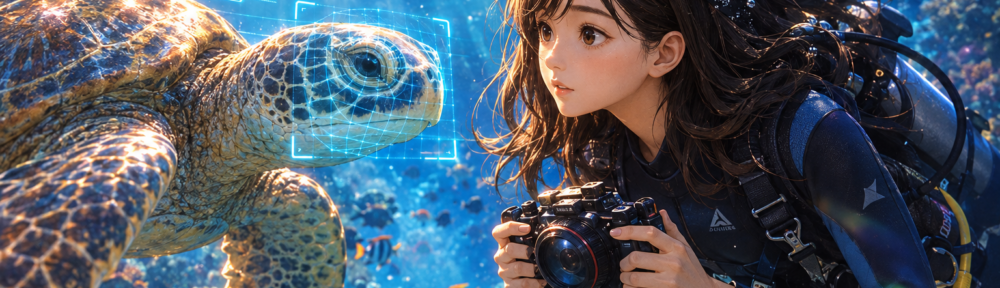
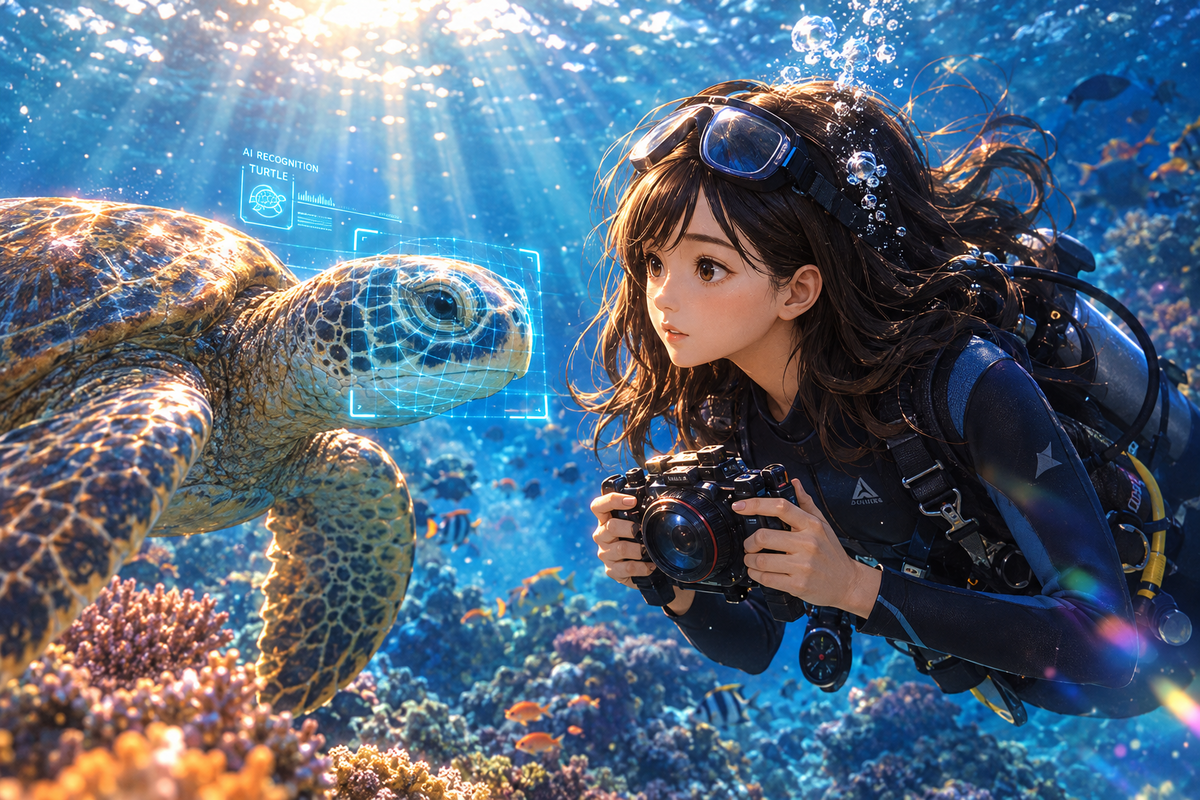
海龜的臉,其實跟指紋一樣獨一無二。吻部周圍的鱗片排列,一輩子不會變,也不會跟另一隻海龜重複。這件事本來只有少數研究人員知道,現在被寫進一套系統,變成可以查詢的資料。
主管機關與宏碁合作,啟用了一套叫TurtleFinder的辨識系統,用AI掃描海龜臉部的鱗片紋路,替每一隻建立身分紀錄。過去追蹤海龜靠的是晶片標記或人工比對照片,費工又難以跨海域串連。同一隻海龜今天在小琉球被看到,三個月後出現在澎湖,過去很難確認是不是同一隻。現在系統比對臉部紋路,就能把不同時間、不同地點的目擊紀錄接起來,拼出一隻海龜真正的生命軌跡。
資料庫怎麼長出來的
這套系統另一個關鍵,是資料來源不只靠研究人員下海拍照。潛水客、賞龜遊客隨手上傳的照片,經過篩選比對後,也能餵進資料庫。等於每一次有人在海裡拍到海龜、上傳照片,都在無形中替國家級的海龜身分資料庫加一筆紀錄。這種「公民科學」模式並不新,但把它跟臉部辨識AI綁在一起、變成政府與企業共同維運的系統,在台灣的海洋保育場景裡算是少見的具體案例。技術上這類做法可以類比生物辨識在保育領域的應用,只是辨識的對象從人臉換成龜臉。
對海保人員來說,實際效益很直接。以前判斷一隻海龜的活動範圍、覓食地點、洄游模式,得靠長期蹲點加運氣。現在只要照片夠清楚,系統就能比對出這是不是已知個體。累積夠久,就能看出哪片海域是特定海龜反覆出現的棲地,哪些路線是牠們固定的移動軌跡——這些資訊過去得花好幾年田野調查才能拼湊出輪廓。
技術之外,還缺什麼
當然,系統再聰明,也只能處理送進來的照片。海龜的臉部紋路要拍得夠清楚、角度夠正,辨識才準;水下光線差、海龜游動快,不是每張照片都能用。資料庫的完整度,終究取決於有多少人願意在潛水時多按一次快門、多花幾秒上傳。技術把辨識這一步自動化了,但「有沒有人願意拍、願意傳」還是取決於人的意願,不是演算法能解決的。
台灣同時也面臨另一種海洋保育的難題:西岸的台灣白海豚棲地持續受到濱海開發、離岸風電與填海造陸擠壓,保育團體近期呼籲把生態考量放進土地與能源政策的決策前端,而不是等開發定案後才補救。海龜有了臉部身分證,不代表棲地就安全;辨識技術解決的是「認出誰是誰」,棲地保護解決的是「牠們還有沒有地方可以活下去」,兩者是不同層次的問題。
下次在海邊或潛水時看到海龜,那張臉值得多看一眼——那可能是資料庫裡已經有名字、有紀錄的老朋友,也可能是即將被寫進系統的新面孔。
— 鄭佩玲
Sea Turtles Have Faces, and No Two Look Alike
A sea turtle’s face is as unique as a fingerprint. The scale pattern around its jaw stays fixed for life, and no two turtles share the same layout. Until recently that fact sat quietly in research papers. Now it has been built into a system anyone can, in effect, query.
Taiwan’s ocean conservation authority partnered with Acer to launch TurtleFinder, an AI system that scans the facial scale patterns of sea turtles to build individual identity records. Tracking used to rely on physical tags or manual photo comparison — slow work that rarely connected sightings across different waters. A turtle spotted off Xiaoliuqiu one month and again near Penghu a few months later was nearly impossible to confirm as the same animal. Now the system matches facial patterns across time and location, stitching together a single turtle’s actual movements.
Where the Data Comes From
The database doesn’t rely only on researchers diving with cameras. Photos taken by divers and tourists, once screened, feed straight into it. Every casual underwater photo uploaded becomes another entry in a national identity registry for sea turtles. This “citizen science” model isn’t new on its own, but pairing it with facial-recognition AI in a system jointly run by a government agency and a private company is a concrete case worth noting — the kind of pattern typically discussed under biometrics, just applied to turtle faces instead of human ones.
For conservation staff the payoff is direct. Mapping a turtle’s foraging grounds or migration route used to take years of fieldwork and no small amount of luck. Now a clear enough photo lets the system confirm whether it matches a known individual. Over time, that reveals which waters specific turtles return to and which routes they repeat — patterns that used to take years of observation to piece together.
What Technology Doesn’t Fix
The system can only work with what gets uploaded. Underwater light is poor, turtles move fast, and not every photo is clear or angled well enough for a match. The database’s completeness depends on how many people bother to take one more photo, or spend a few extra seconds uploading it. The recognition step got automated; the willingness to participate didn’t.
Taiwan is also facing a separate and harder conservation problem on its west coast, where habitat for the Taiwanese white dolphin keeps shrinking under coastal industrial development, offshore wind installations, and land reclamation. Conservation groups have recently called for ecological considerations to be built into land-use and energy policy from the start, rather than patched in after development plans are locked. Giving turtles a facial ID doesn’t make their habitat safe. Recognition technology answers “who is this individual.” Habitat protection answers whether that individual still has anywhere left to live. Those are different problems.
Next time a turtle surfaces near a beach or a dive site, that face is worth a second look — it might already have a name in the database, or it might be about to get one.
— 鄭佩玲
延伸閱讀
https://justfly.idv.tw/s/dMa9kT8