上週在永和一家獨立書店翻《聯合文學》,夾頁裡的短訊寫著:楊双子《台灣漫遊錄》入圍2026年國際布克獎。我停在原地重讀了三次。不是因為驚喜,是因為那個違和感——一本寫1938年日治台灣女同性戀情的中文小說,靠英譯本走到倫敦文學獎項的短名單。語言的距離,正是這個故事的核心。
三層語言的殖民摺痕
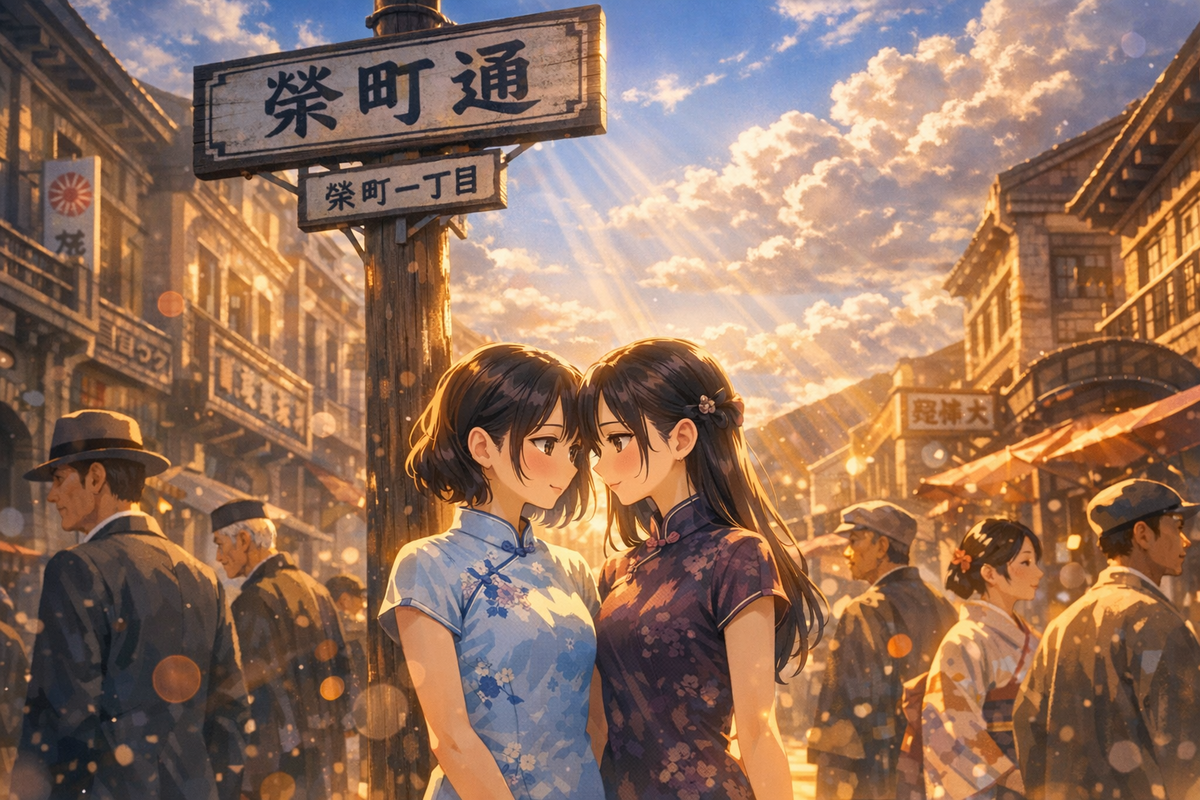
《台灣漫遊錄》的語言結構像俄羅斯娃娃。小說裡的人物用日語交談——1938年正值皇民化運動高峰,公共場域禁止中文,日語是唯一合法的公開語言。楊双子(本作由楊若慈單獨創作,但沿用與姊姊共享的雙子座筆名)用中文寫下這段被日語統治的記憶。譯者Lin King(金家蓁)再把中文轉譯成英語,送往倫敦評審桌上。
這不是翻譯技術問題。這是台灣文學的原生困境:我們總是在用某種語言,講述另一種語言統治下的故事。1937年日本啟動皇民化運動,中文報紙停刊,學校禁止方言,連祖先牌位上的漢字都要改成日文。同一時期,呂赫若用日語寫《牛車》,張文環創辦《台灣文學》雜誌,他們都在殖民語言裡偷渡台灣靈魂。楊双子的三層語言設計,是把這段歷史摺痕直接嵌進小說結構。
倫敦要的不是異國情調
2018年吳明益以《單車失竊記》入圍國際布克獎,作品賣出11國版權。那次入圍讓台灣文學圈興奮了好一陣子,但也帶來一種焦慮:國際文壇到底要什麼?魔幻寫實?政治隱喻?還是包裝精美的異國情調?
楊双子給的答案更直接:一個曾被消音的過去。她不迴避殖民暴力,也不美化女同性戀情為進步象徵。1938年的台灣女性連公開說母語的權利都沒有,愛情只是更深一層的禁忌。小說的核心張力不在性別認同,在語言政治——當你連用自己的語言說愛都會被懲罰,文字本身就是抵抗。
第二次叩關的賭注
國際布克獎每年從全球數千本翻譯小說中選出13本短名單,最終僅1本得獎。楊双子這次入圍,距離吳明益上次已經8年。台灣文學不缺好作品,缺的是翻譯資源和國際出版網絡。Lin King的英譯本能走到這一步,某種程度上也是台灣文學產業鏈的集體賭局——編輯選題、譯者接案、版權談判,每個環節都要有人願意為「這個故事值得被看見」下注。
我不知道楊双子最終會不會得獎。但我確定的是,這本小說已經做到一件事:讓國際讀者看見,台灣文學不是只有後殖民傷痕文學或政治寓言。它可以是一個1938年的女人,在禁止說中文的街頭,用日語對另一個女人說出無法翻譯的愛意。那個無法翻譯的部分,正是這座島嶼的形狀。
— 張書安
延伸閱讀
Three Languages, One Silenced Past
At a bookstore in Yonghe last week, I found a note tucked in a literary magazine: Yang Shuang-zi’s Taiwan Travelogue longlisted for the 2026 International Booker Prize. I read it three times. Not from excitement, but from dissonance—a Chinese novel about lesbian romance in 1938 Japanese-ruled Taiwan, reaching London via English translation. The distance between languages is the story itself.
Three Layers of Colonial Creases
The linguistic structure of Taiwan Travelogue works like Russian dolls. Characters converse in Japanese—in 1938, during the peak of Japan’s Kominka Movement, Chinese was banned in public spaces, and Japanese became the only legal language. Yang Shuang-zi (the pen name shared by siblings; this work is solely authored by Yang Ruo-ci) wrote this memory of Japanese rule in Chinese. Translator Lin King then rendered the Chinese into English for London judges.
This isn’t a translation problem. It’s the native condition of Taiwanese literature: we’re always using one language to tell stories lived under another. When Japan launched the Kominka Movement in 1937, Chinese newspapers shuttered, schools forbade dialects, even ancestral tablets had to swap Han characters for Japanese. Lu He-ruo wrote Oxcart in Japanese. Zhang Wen-huan founded Taiwan Literature magazine. Both smuggled Taiwanese soul through colonial syntax. Yang’s three-language design embeds this historical fold directly into the novel’s architecture.
London Doesn’t Want Exoticism
In 2018, Wu Ming-yi’s The Stolen Bicycle made the Booker shortlist and sold rights to 11 countries. That nomination thrilled Taiwan’s literary circles but also triggered anxiety: what does the international stage actually want? Magical realism? Political allegory? Prettily packaged foreign flavor?
Yang’s answer is blunter: a past that was silenced. She doesn’t dodge colonial violence or romanticize lesbian love as progressive symbolism. Women in 1938 Taiwan couldn’t speak their mother tongue in public; romance was a deeper prohibition. The novel’s tension isn’t in sexual identity but in linguistic politics—when even expressing love in your own language invites punishment, writing itself becomes resistance.
The Second Gamble
The International Booker Prize selects 13 longlisted titles from thousands of translated novels globally each year. Only one wins. Eight years separate Yang’s nomination from Wu’s. Taiwan doesn’t lack good literature; it lacks translation resources and international publishing networks. That Lin King’s English version reached this stage represents a collective industry bet—editors choosing projects, translators taking commissions, rights negotiations—each link requiring someone to stake on “this story deserves visibility.”
I don’t know if Yang will win. But the novel has already accomplished something: showing international readers that Taiwanese literature isn’t confined to postcolonial trauma narratives or political allegories. It can be a woman in 1938, on streets where Chinese is forbidden, speaking untranslatable affection to another woman in Japanese. That untranslatable part is the shape of this island.
— 張書安